What Every Vegan Needs To Know About Omega-3s
This post may contain affiliate links. See our disclosure policy for more.
If you think omega-3s are just something fish eaters have to worry about, think again. Omega-3s are essential for your brain, heart, and even your mood. But here’s the catch: there are 3 main types, and not all plant-based sources give you everything you need.
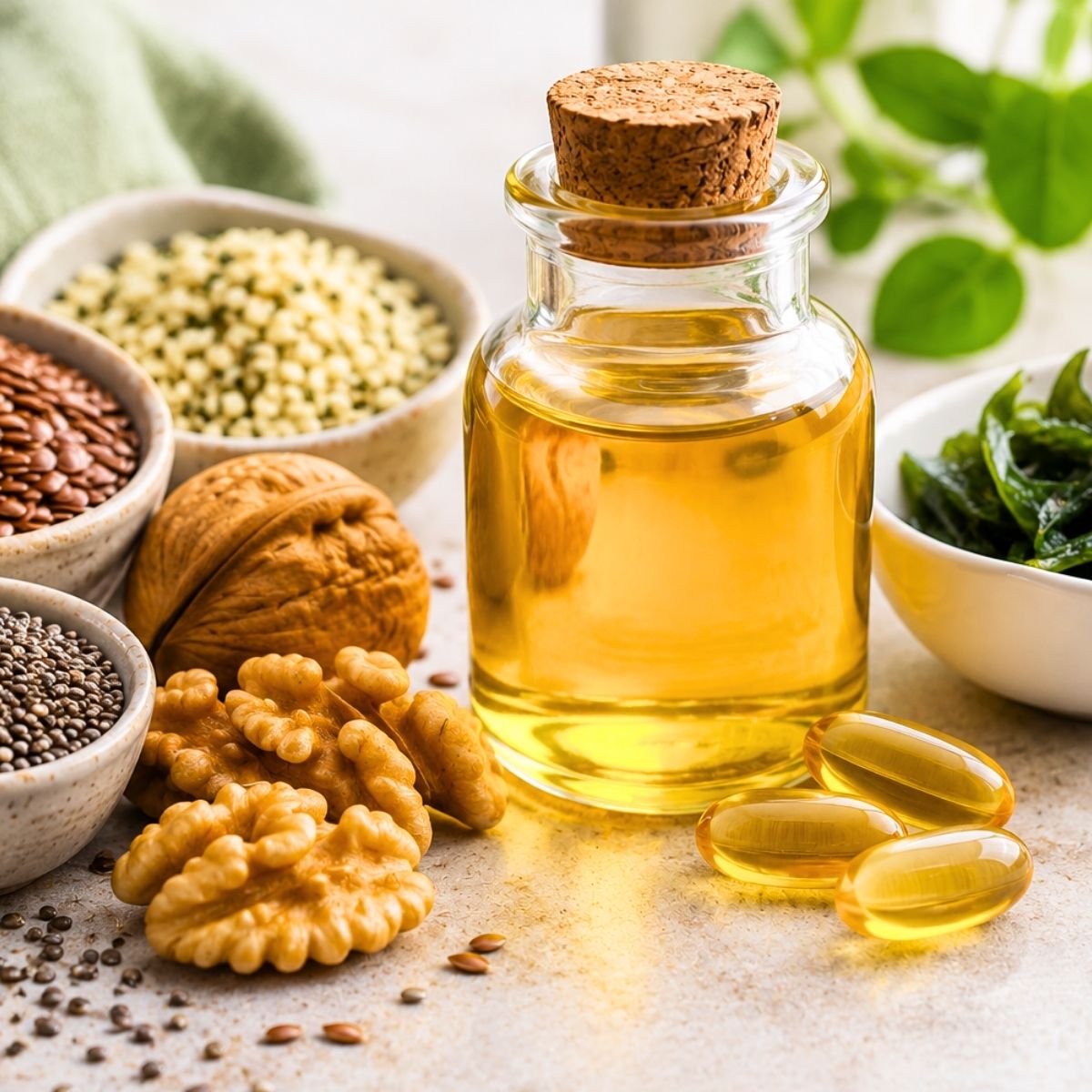
In this post, you’ll learn 5 surprising facts every vegan needs to know about omega-3s, plus the 3 easiest ways to make sure you’re getting enough, no salmon required.
There Are 3 Types Of Omega-3s (And Only 1 Comes From Plants)
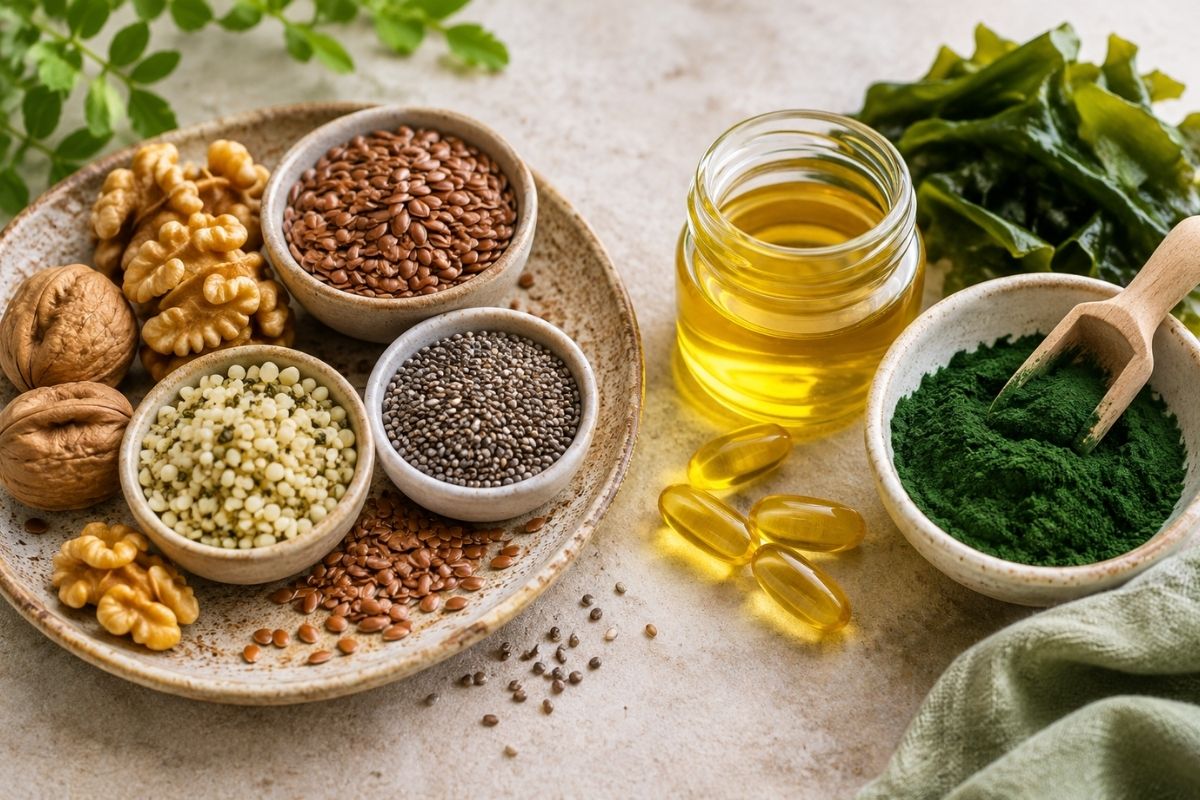
Let’s break it down:
- ALA (alpha-linolenic acid), found in plants like flax, chia, and walnuts
- EPA (eicosapentaenoic acid), found in fish and algae
- DHA (docosahexaenoic acid), also found in fish and algae
Your body can convert ALA into EPA and DHA, but here’s the kicker: the conversion rate is super low.
We’re talking less than 10% for EPA and even lower for DHA. So while you can technically survive on ALA alone, you might not thrive without a better strategy.
Omega-3s Are Crucial For Your Brain, Mood, And Eyes

Low omega-3 levels have been linked to:
- Memory problems
- Brain fog
- Depression and mood swings
- Dry eyes and vision changes
Some studies even show that DHA makes up a major chunk of your brain’s fat, around 40%! That’s why you might feel off if your levels drop too low.
You Can’t Rely On Flaxseed Alone
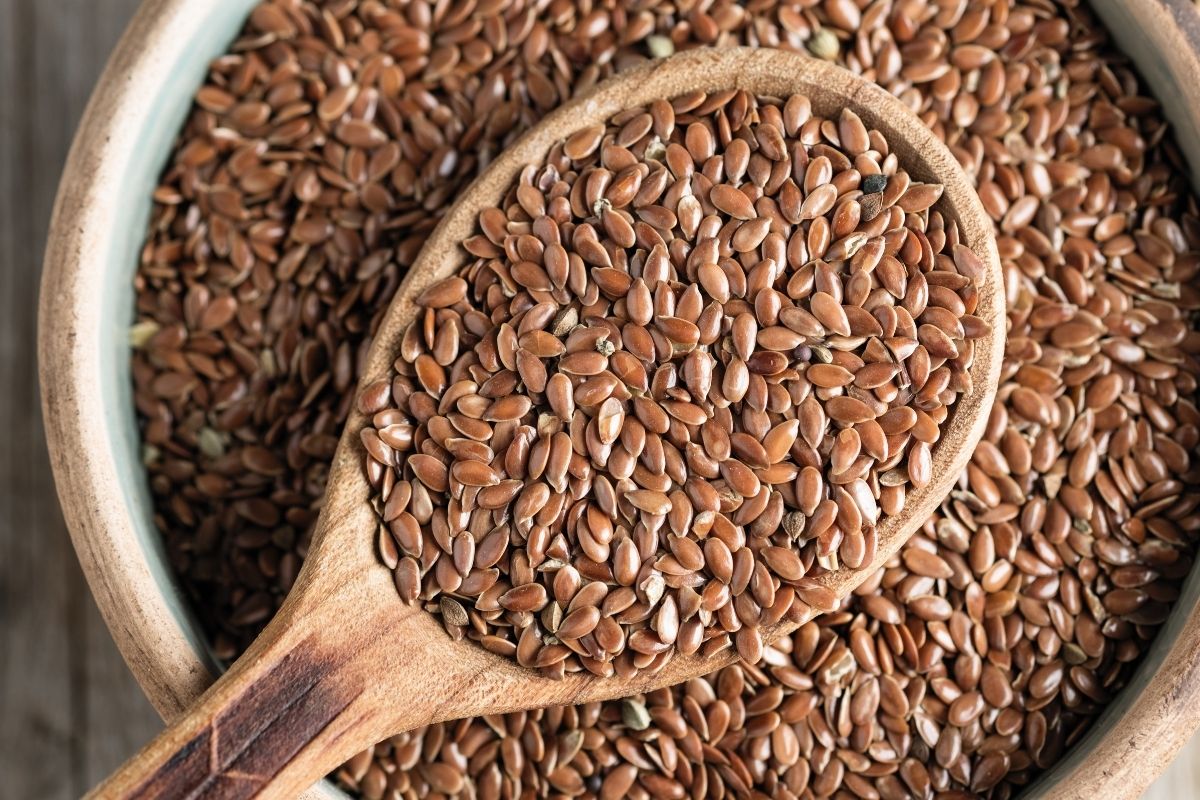
Yes, flaxseed is amazing (I sprinkle it on oatmeal and smoothies daily), but it only gives you ALA. Without a reliable source of EPA and DHA, you may be missing out. And no, chia pudding, hemp hearts, and walnuts won’t cover it all either.
That’s why algae oil is a vegan’s best friend. It’s the only plant-based source of direct EPA and DHA. Just 1 daily capsule can do the job that several tablespoons of flax can’t. <h2>4. Not All Algae Supplements Are The Same</h2>
Here’s what to look for:
- A brand that offers both EPA and DHA (some only include DHA)
- Around 250-500 mg combined per day is a good target
- Bonus if it’s third-party tested for purity (algae oil is usually safer than fish oil, but it’s good to check)
I started taking an algae-based omega-3 a year into being vegan, and it honestly made a difference in my mental clarity and energy levels. <
Omega-6 Overload Can Cancel Out Your Omega-3s

This one shocked me.
Omega-6 fats (found in processed oils like corn, soybean, and sunflower) compete with omega-3s for absorption. So if your diet is full of fries and vegan snacks made with cheap oils, your omega-3s might not stand a chance.
The ideal ratio of omega-6 to omega-3 is about 4:1 or lower, but the modern vegan diet can easily hit 20:1 or higher if you’re not paying attention.
Easy fix? Use oils like olive or avocado instead, and limit processed snacks when you can.
What Should Vegans Do?

If you want to keep things simple, here’s the 3-step plan:
- Eat ALA Daily: Flaxseeds, chia seeds, hemp seeds, and walnuts
- Take An Algae Oil Supplement: Aim for 250-500 mg EPA + DHA
- Balance Your Fats: Cut down on omega-6-heavy oils and packaged foods
It takes about 2-3 months for DHA levels to fully build up, so be patient, and consistent. Your brain, heart, and hormones will thank you for it. <
Should You Get Tested?
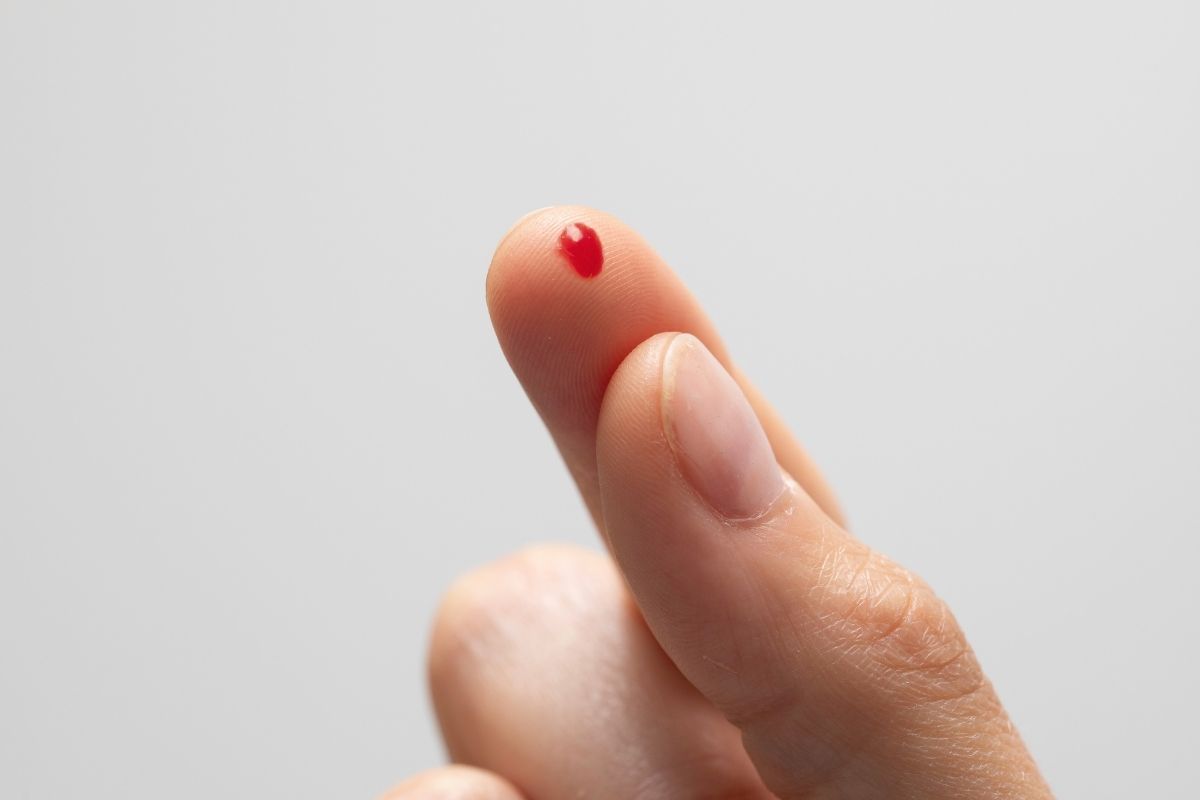
You can get your omega-3 levels tested with a simple finger-prick kit (some are even vegan-friendly). If you’re curious about where you stand or want to double-check before starting a supplement, this could be a smart step.
The Bottom Line
You don’t need fish to thrive, but you do need to be smart about omega-3s. With the right mix of daily plant-based foods and an algae supplement, your body and brain will stay in top shape.
Omega-3s may be tiny fats, but they make a huge impact.
Want more vegan nutrition tips like this? Check out these helpful posts:
- Vegan Protein Snacks You Haven’t Tried Yet
- Is Being Vegan Really That Expensive? Let’s Talk Money
- The Beginner’s Vegan Grocery List: What To Buy On Your First Plant-Based Haul