Plant-Based Doesn’t Mean Healthy, And Here’s Why
This post may contain affiliate links. See our disclosure policy for more.
If you think that going plant-based automatically means you’re eating healthier, think again. It’s one of the biggest misconceptions in the vegan world.
And you’re definitely not alone. In fact, over 70% of new plant-based eaters assume anything labeled “vegan” or “plant-based” must be good for them. But here’s the truth: not all plant-based foods are created equal. Let’s break down why, and what to actually look for if your goal is better health.
1. Vegan Junk Food Is Still Junk Food
Just because it’s made without animal products doesn’t make it nutritious. Cookies, candy bars, pizza, frozen meals. They can all be vegan and still be:
- ultra-processed
- high in saturated fats
- packed with added sugar or sodium
Think of it this way: Oreos are technically plant-based. So are many potato chips. But would you call those healthy? Probably not.
2. “Meatless” Doesn’t Automatically Mean Low Fat or Low Calorie
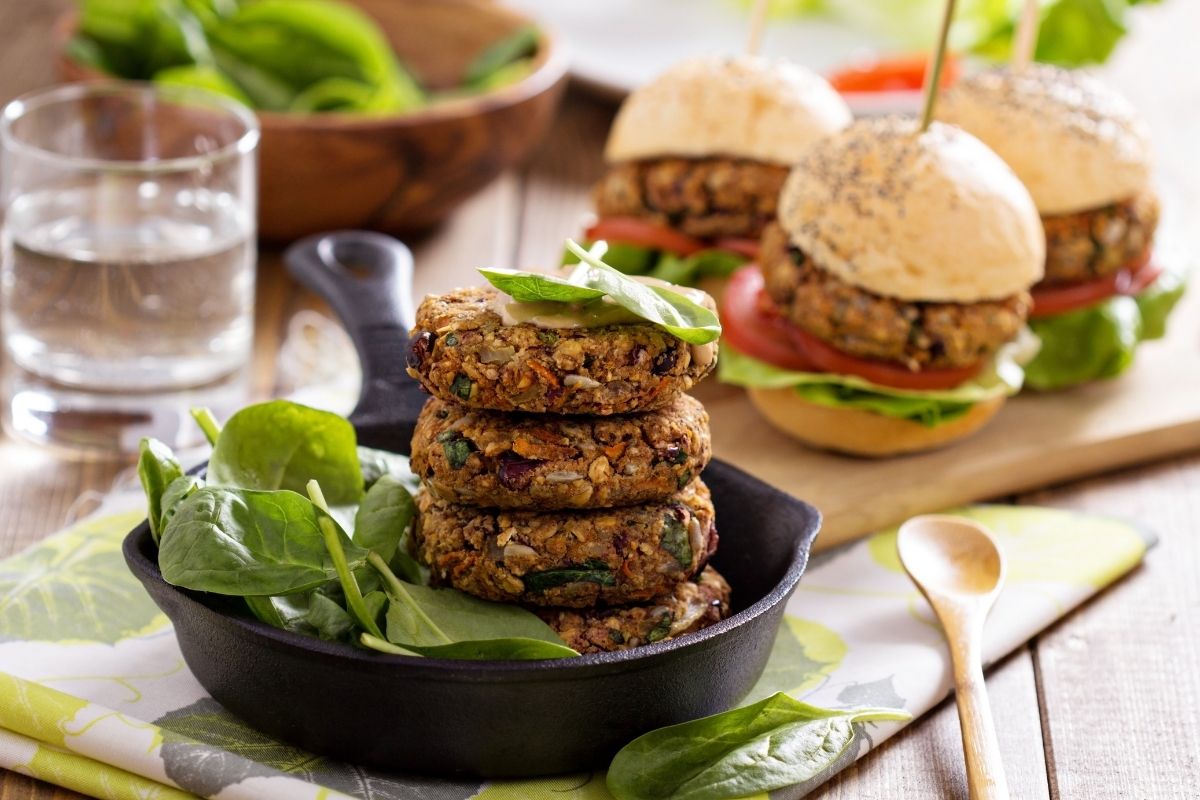
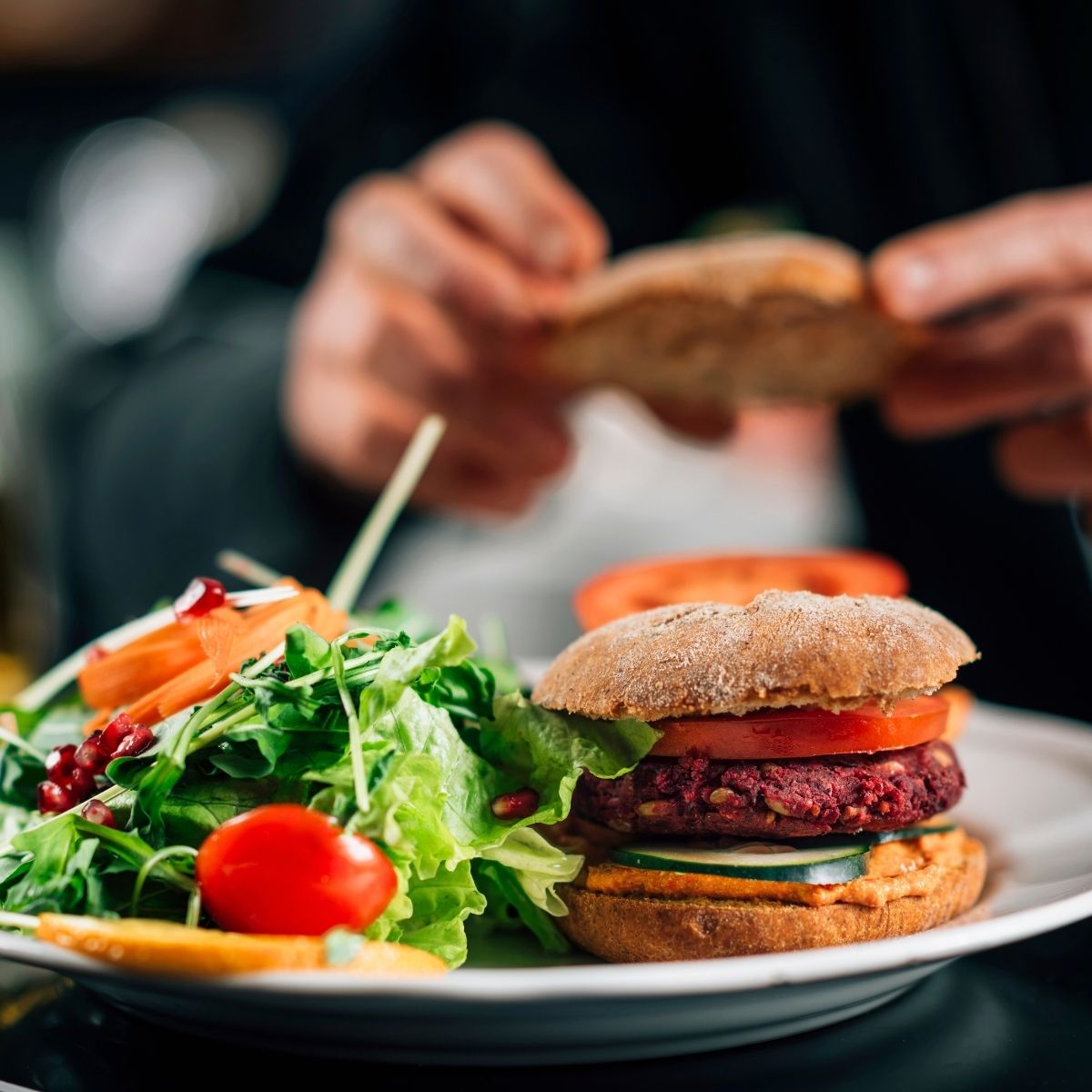
Many people switch to a vegan diet hoping to lose weight or improve heart health. But here’s the kicker: some plant-based meats have more fat, salt, and calories than the real thing. A single plant-based burger patty can have over 400 calories and more sodium than a fast food cheeseburger.
Always check the label. Ingredients like coconut oil (popular in vegan cheese and butter substitutes) are loaded with saturated fat.
3. Heavily Processed = Nutrient Poor
Plant-based doesn’t always mean whole food. If it comes in a box and you can’t pronounce the ingredients, chances are, it’s not doing your body many favors.
Many ready-made vegan meals are designed to mimic taste and texture, not provide fiber, vitamins, or minerals. So yes, you might be avoiding cholesterol, but you could also be missing key nutrients like B12, iron, omega-3s, and protein.
4. Sweet Doesn’t Mean Safe
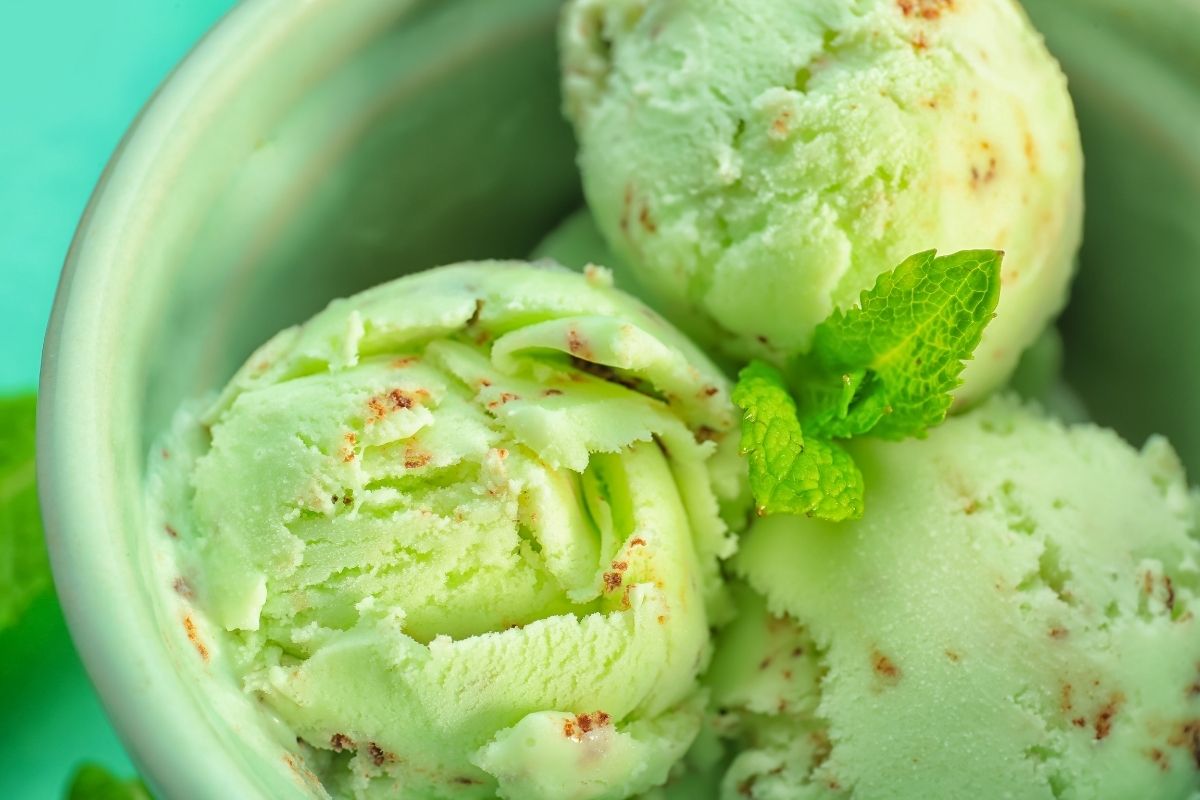
Vegan desserts are booming right now, plant-based cakes, cookies, and ice cream made with almond milk, oat milk, or coconut cream. But guess what?
Sugar is still sugar. And maple syrup, agave nectar, and coconut sugar are all still processed. Date syrup is the one sweetener that actually brings fiber with it, which is why it is the one I reach for most. Vegan sweets often lack fiber and protein to balance the sugar load, leading to energy crashes and cravings.
5. You Might Still Be Missing Veggies
One big myth? That all vegans eat tons of vegetables. But the truth is, you can eat a completely plant-based diet with barely any fresh produce. Relying on fake meats, white bread, pasta, and fries? That’s vegan, but far from healthy.
Aim to build meals around whole, colorful ingredients like leafy greens, beans, lentils, quinoa, sweet potatoes, berries, nuts, and seeds.
6. It’s Easy to Overdo Oils and Sauces
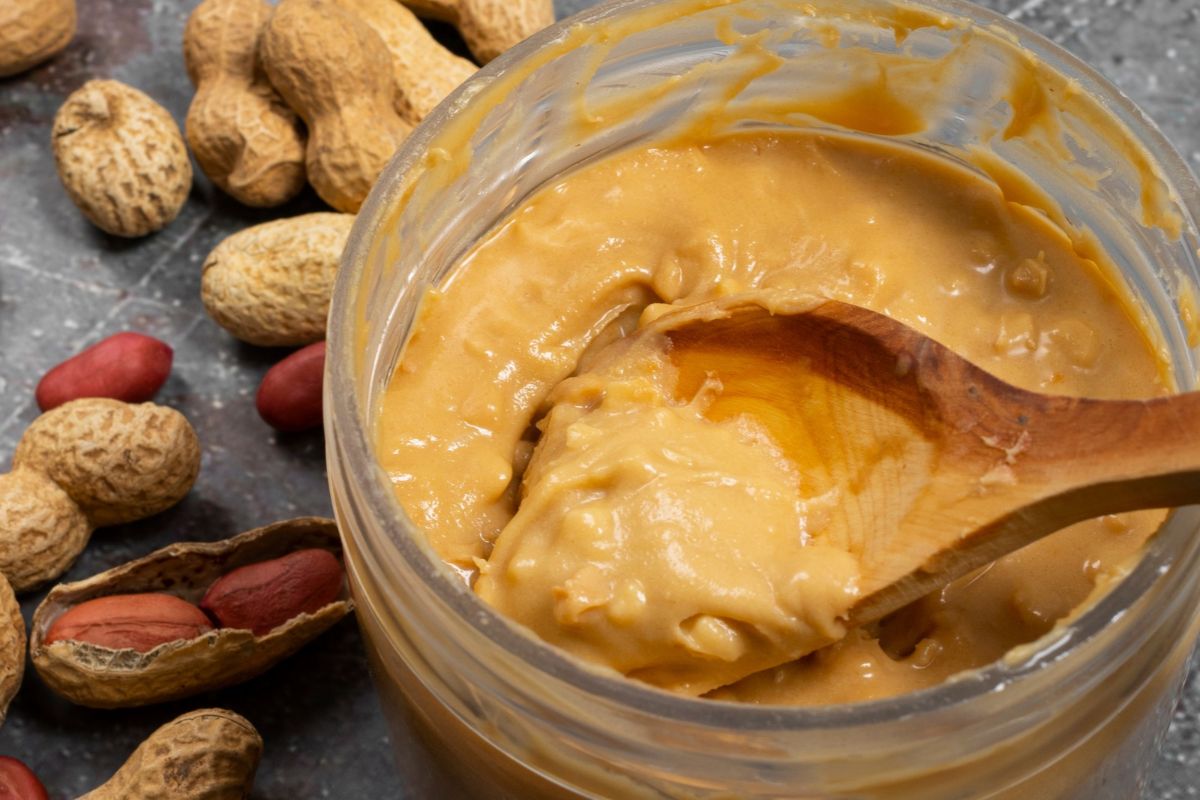
Vegan recipes often call for lots of oil (especially olive or coconut), nut butters, and creamy sauces made from cashews. While these are plant-based, they’re also calorie-dense.
One tablespoon of oil has about 120 calories and zero fiber. That adds up fast, especially if you’re eating out or using heavy dressings.
7. Not All Plant-Based Milks Are Nutritious
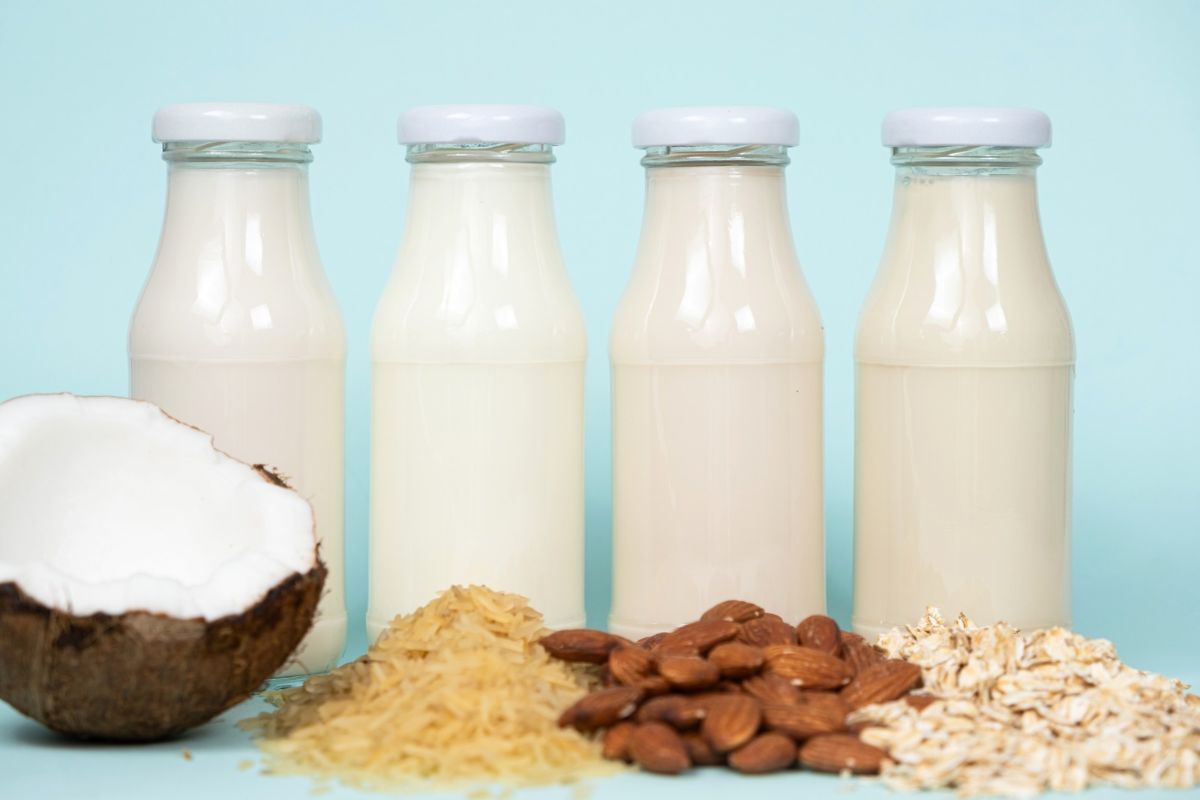
Almond, oat, rice, coconut, plant-based milks are everywhere. But some are basically just flavored water with sugar and gums. Always check for:
- Added sugar
- Calcium and vitamin D fortification
- Protein content (soy and pea milks are usually higher, around 7 grams a cup versus 1 in almond)
For example, almond milk may be super low in calories, but also super low in nutrition unless it’s fortified.
If you only change one thing in this whole list, make it this one. Swapping to a fortified soy milk gets you the protein, calcium, and vitamin D that almond milk mostly does not have, for the same money. It is the single least effortful upgrade on a plant-based diet.
8. “Vegan” on a Label Doesn’t Mean “Balanced”
One study found that more than half of packaged vegan products are high in fat, salt, or sugar. Just because something carries a green V or says “plant-based” doesn’t mean it’s heart-healthy or good for your gut.
If you want the health benefits of a vegan diet, stick with whole foods most of the time: vegetables, fruits, legumes, whole grains, nuts, and seeds.
🛒 The Swaps That Actually Move The Needle
- Fortified soy milk instead of plain almond, for roughly 7 grams of protein a cup instead of 1.
- Extra firm tofu and tempeh instead of packaged vegan burgers, which is where most of the salt and saturated fat hides.
- Date syrup in place of agave, since it is the only common sweetener that still has fiber attached.
- Nutritional yeast instead of processed vegan cheese when you just want the savory hit, not the coconut oil.
- Canned chickpeas and black beans, the cheapest way to get fiber and protein into a meal that was going to be beige otherwise.
- A decent extra virgin olive oil you measure with a spoon rather than pour, since a tablespoon is 120 calories.
So… What Should You Eat Instead?
Here are 5 tips to help keep your plant-based diet actually healthy:
- Focus on fiber: beans, lentils, whole grains, fruits, and veggies
- Limit ultra-processed foods: check the label for ingredients you recognize
- Watch the sugar and sodium, especially in sauces, snacks, and frozen meals
- Balance your plate: include protein, fat, and carbs at every meal
- Eat the rainbow: more color usually means more nutrients
The Bottom Line
Just because it’s vegan doesn’t mean it’s good for you. A plant-based cookie is still a cookie. A vegan frozen pizza is still fast food.
If your goal is health, not just labels, pay attention to what’s actually in your food. Choose whole foods most of the time, and enjoy the treats (vegan or not) in moderation.
Plant-based can be super healthy, but only if you make it that way.