Are You Getting Enough B12 As A Vegan? Here’s How To Tell
This post may contain affiliate links. See our disclosure policy for more.
Let’s get real: there’s one nutrient that always sparks debate in the vegan world, and that’s vitamin B12. If you’ve ever heard someone say, “But where do you get your B12?”, you’re not alone. It’s one of the top 3 nutrients vegans need to pay attention to, and for good reason.

So how do you know if you’re getting enough? And what exactly happens if you aren’t?
Let’s break it down, with 5 key signs to watch for, 3 smart ways to get more B12, and everything you need to stay healthy, sharp, and energized on a plant-based diet.
What Is B12 And Why Do You Need It?
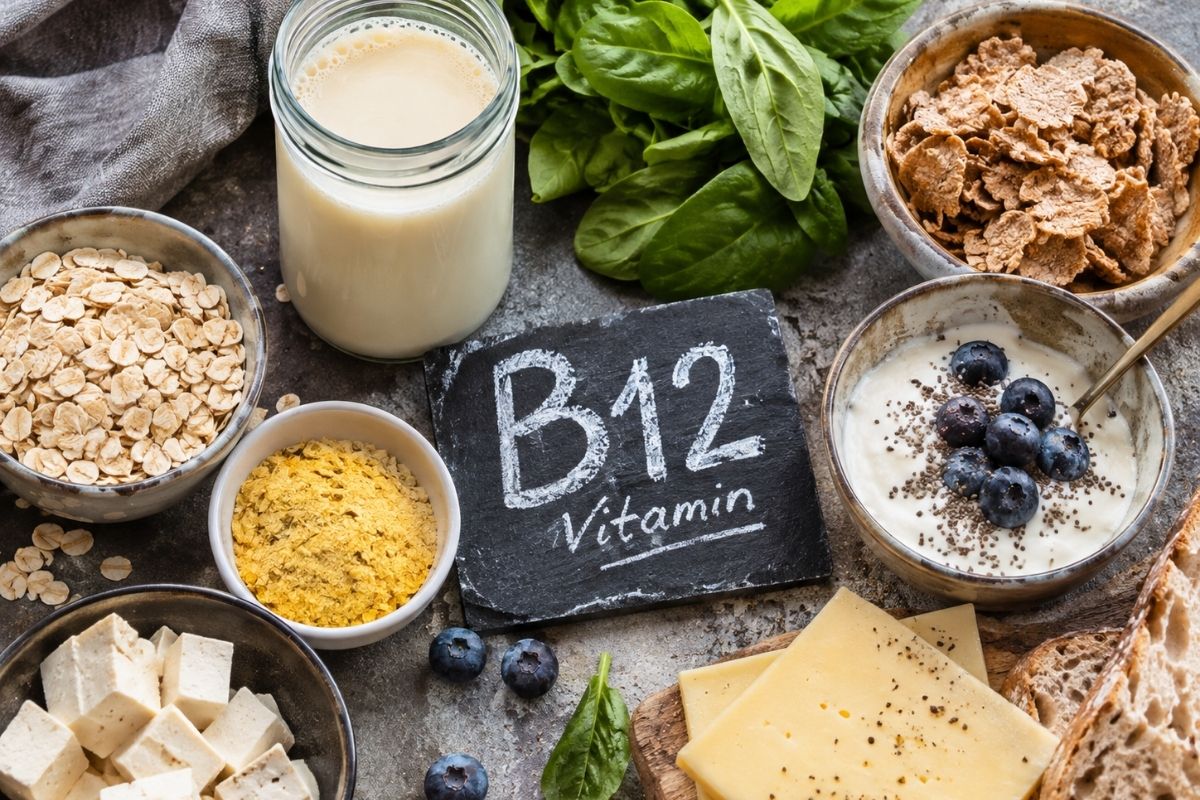
Vitamin B12 (cobalamin) is essential for:
- Making red blood cells
- Keeping your brain and nervous system healthy
- Preventing fatigue, brain fog, and nerve damage
The thing is, B12 doesn’t naturally occur in plants. It’s made by bacteria. Animals eat those bacteria or get supplements themselves, and that’s why omnivores usually get it through meat, eggs, and dairy.
Vegans? We’ve got to be a little more intentional.
5 Common Signs You Might Be Low On B12
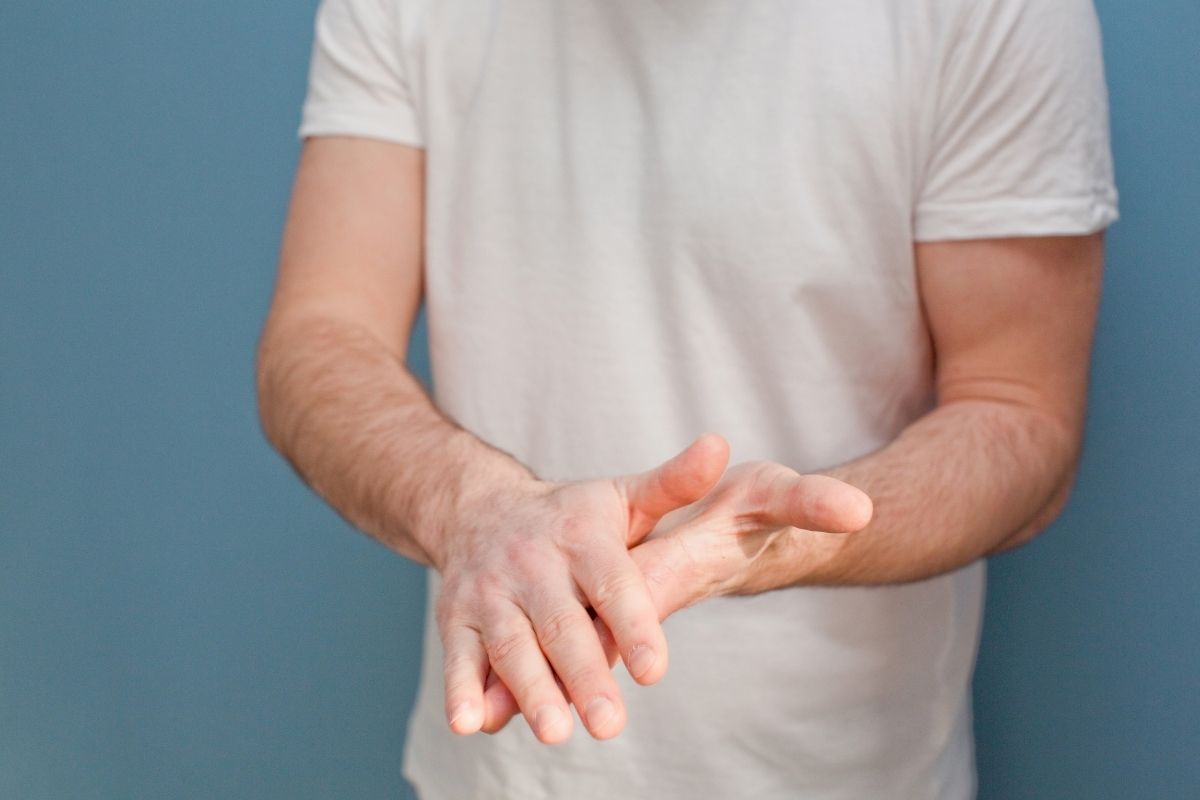
You don’t need to panic, just pay attention to your body.
Here are 5 early signs of B12 deficiency you shouldn’t ignore:
1. Tired All The Time: Feeling wiped even after a full night’s sleep? Chronic fatigue is a red flag.
2. Brain Fog: Trouble concentrating, forgetfulness, or feeling “off” mentally can be signs your brain isn’t getting what it needs.
3. Tingling Or Numbness: That weird pins-and-needles feeling in your hands or feet? Could be your nerves missing B12.
4. Pale Skin Or Glossy Tongue: B12 is involved in red blood cell production. Without it, you might look washed out or have tongue soreness.
5. Mood Swings Or Depression: B12 plays a role in mood regulation. Some people report irritability or even mild depression when levels drop.
If you’re dealing with any of these, don’t guess: ask your doctor for a blood test. It’s the best way to know for sure.
3 Easy Ways To Get Enough B12 As A Vegan
Here’s the good news, getting enough B12 as a vegan is 100% possible.
Here are 3 super simple ways:
1. Take A B12 Supplement
This is the easiest and most reliable way. Look for cyanocobalamin or methylcobalamin, the two most common forms.
✔️ 250 to 500 mcg daily (or 2,500 mcg weekly) is a typical recommendation for maintenance.
✔️ Choose sublingual tablets or sprays if you want quicker absorption.
2. Eat Fortified Foods Regularly
Some plant-based foods have B12 added in, just check the label!
Popular options:
- Nutritional yeast (check it’s fortified)
- Fortified non-dairy milks, especially soy milk and almond milk
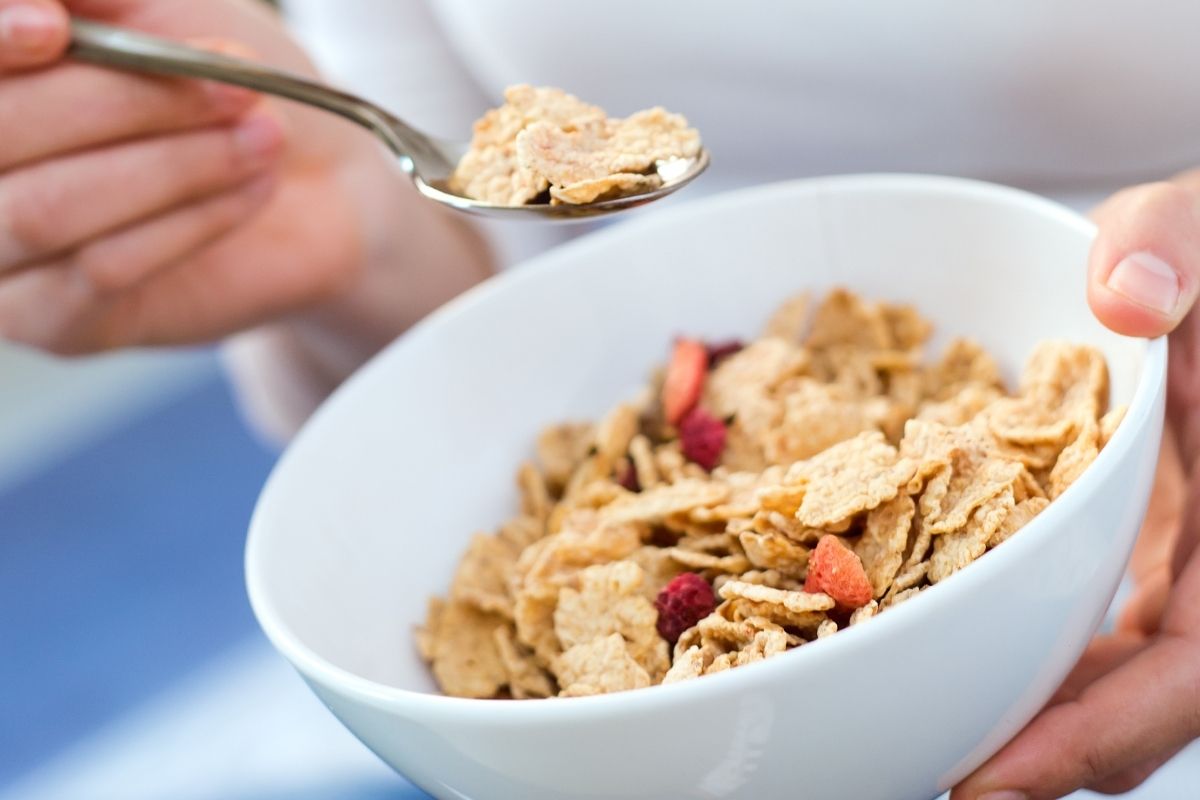
- Breakfast cereals
- Meat alternatives like plant-based burgers or sausages, and some tempeh products
Pro tip: You need to eat 2 to 3 servings daily of fortified foods to meet your needs. Not everyone finds that doable, so supplements are often still needed.
3. Track Your Intake With An App
If you’re unsure whether you’re getting enough, try using a food tracker like Cronometer. It lets you log your meals and tells you if you’re hitting your B12 target.
Should Kids And Pregnant Vegans Take B12 Too?

Absolutely, yes. Pregnant and breastfeeding people need more B12 than usual, since it directly affects fetal and infant development. And kids on a vegan diet must have a B12 source, either through fortified foods or supplements.
Talk to your pediatrician or doctor for age-appropriate dosage.
2 Myths About B12 That Still Need Busting
Myth #1: “I’ll Get Enough From Vegetables Alone.”
Sorry, but no. Plants don’t naturally make B12. Seaweed, mushrooms, and fermented foods contain negligible or unreliable amounts.
Myth #2: “I’ve Been Vegan For Years And I’m Fine.”
Symptoms can take years to show up, and once they do, nerve damage can be hard to reverse. It’s better to stay topped up now than try to fix a deficiency later.
What If You’re Already Low?
If a blood test shows your B12 is low, your doctor might recommend a higher dose supplement or even B12 injections to restore your levels quickly. The good news? B12 is water-soluble, so it’s safe even in high doses.
The Bottom Line
Don’t leave B12 to chance.
It’s one of the only nutrients vegans can’t reliably get without planning, but it’s also one of the easiest to fix.
Here’s your quick B12 checklist:
✅ Take a daily or weekly supplement
✅ Eat fortified foods if you enjoy them
✅ Track your intake if you’re unsure
✅ Watch for signs and get regular blood work
Your energy, brain health, and mood will thank you.
Ready To Take Charge Of Your Health?
Try adding a B12-rich nutritional yeast sprinkle to your next tofu scramble, or grab a vegan-friendly supplement on your next store run. It’s a tiny habit that makes a huge difference.
And if you’ve ever felt tired for “no reason,” it might just be your body asking for a little B12 love.
Let’s thrive, not just survive, plant-based and powerful 💚
Want to learn more? Check out my posts on:
🛒 What I Keep in the Cupboard for B12
- Fortified nutritional yeast, the one fortified food that genuinely earns its shelf space. Check the label, not every brand is fortified.
- Soy milk or almond milk, an easy two servings a day if you use it in coffee and cereal.
- Vitamin D3 and an algae omega supplement, the other two most vegans end up needing alongside B12.
- An iodine supplement if you do not eat seaweed or iodized salt, which is the gap almost nobody checks.
A note on the B12 supplement itself: I have deliberately not linked one here, because dose and form are worth deciding with your doctor after a blood test rather than off a blog post. Cyanocobalamin at 250 to 500 mcg daily is the common starting point.
Stay healthy, stay curious, and keep that B12 in check!
Medical Disclaimer:
The information provided on this blog is for educational and informational purposes only and is not intended as medical advice. I am not a licensed healthcare professional, and the content shared here should not be used to diagnose, treat, or cure any health condition. Always consult with your doctor or a registered dietitian before making changes to your diet, especially if you have a medical condition, are pregnant, breastfeeding, or taking medication.