Is Your Vegan Diet Actually Hurting the Planet?
This post may contain affiliate links. See our disclosure policy for more.
Going vegan is better for the planet. That part is settled and the data isn’t close.
What isn’t settled is whether your specific vegan diet is doing as much as you think. Some plant foods carry a genuinely heavy footprint, and a few of them are probably in your trolley.
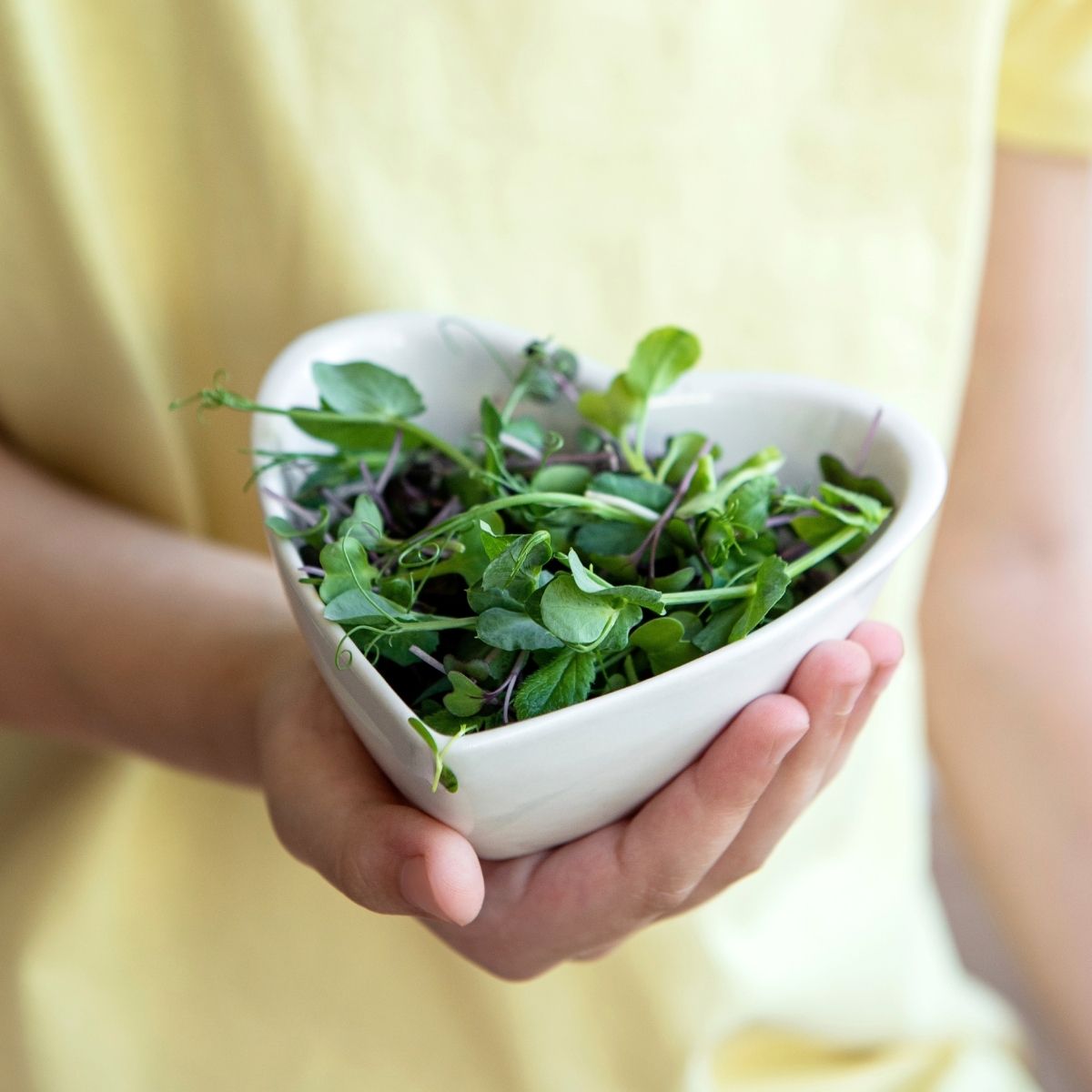
I had this realisation standing in a supermarket in February holding a punnet of blueberries from Peru, feeling quite pleased with myself. 🫠
🌍 7 Ways Your Vegan Diet Might Be Quietly Hurting The Planet
🍽️ 1. You’re Eating Out-of-season Produce Flown From Across The World
Here’s where I have to be honest, because this one gets overstated constantly.
Transport is usually a small slice of a food’s total footprint, often under 10%. What you eat matters far more than how far it came. A local steak still beats an imported lentil by a wide margin.
The real exception is air freight, which is roughly 50 times worse than shipping. That’s berries in winter, asparagus out of season and anything fragile arriving from another continent.
So don’t stress about the bag of rice that came by boat. Do think twice about February raspberries.
🥦 2. You’re Relying Too Heavily On Processed Vegan Foods
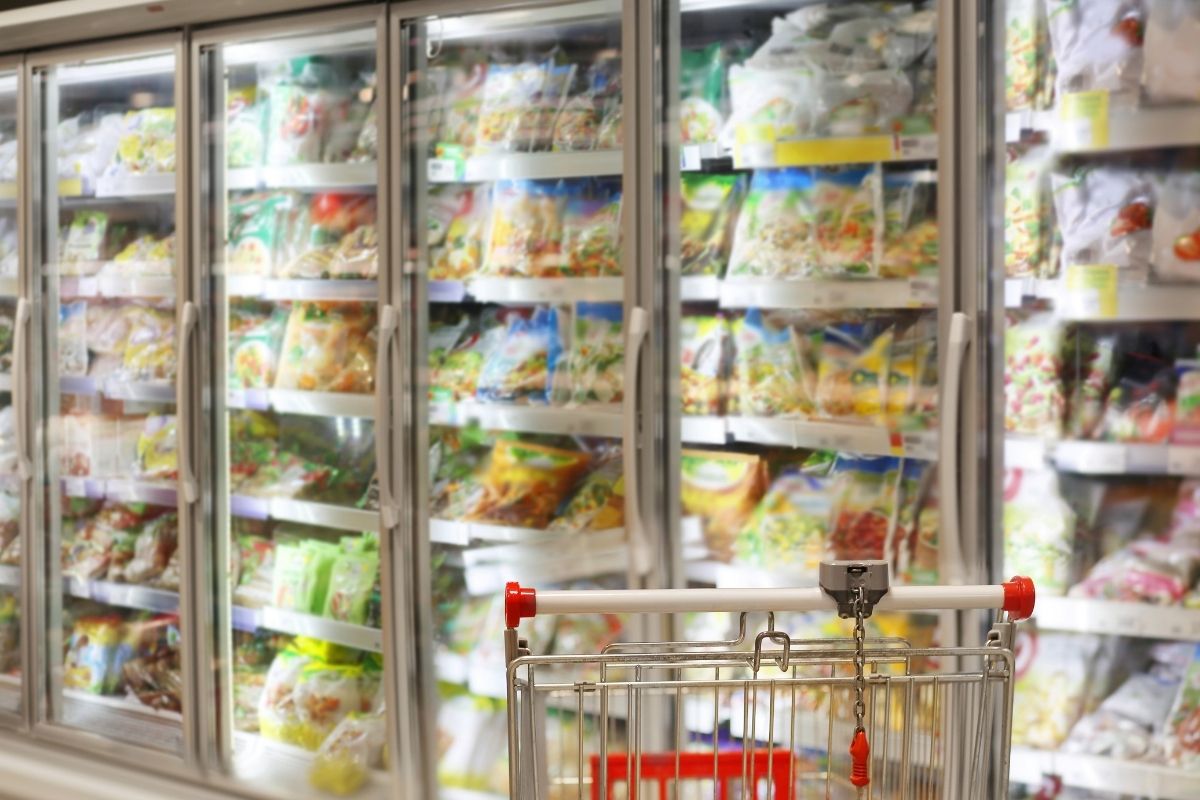
I’ve had plenty of weeks where dinner came out of a freezer box. Nuggets, burgers, fake cheese.
Every processing step costs energy, and the packaging costs more. A plant-based burger still beats beef comfortably, it just doesn’t beat the bag of lentils sitting next to it.
Palm oil is the one worth reading labels for. It’s in a lot of vegan products and it’s a genuine driver of deforestation. Sustainable certified palm oil exists and is a real improvement.
🌍 3. You’re Not Paying Attention To Water Usage
Almonds are the famous one. Over 1,900 gallons of water for a pound, most of it grown in drought-stricken California.
For context, beef is still considerably worse per calorie. But if you’re choosing between plant milks, oat milk uses a fraction of the water almond milk does, and it’s a genuinely easy swap.
🌱 4. You’re Tossing Too Much Food
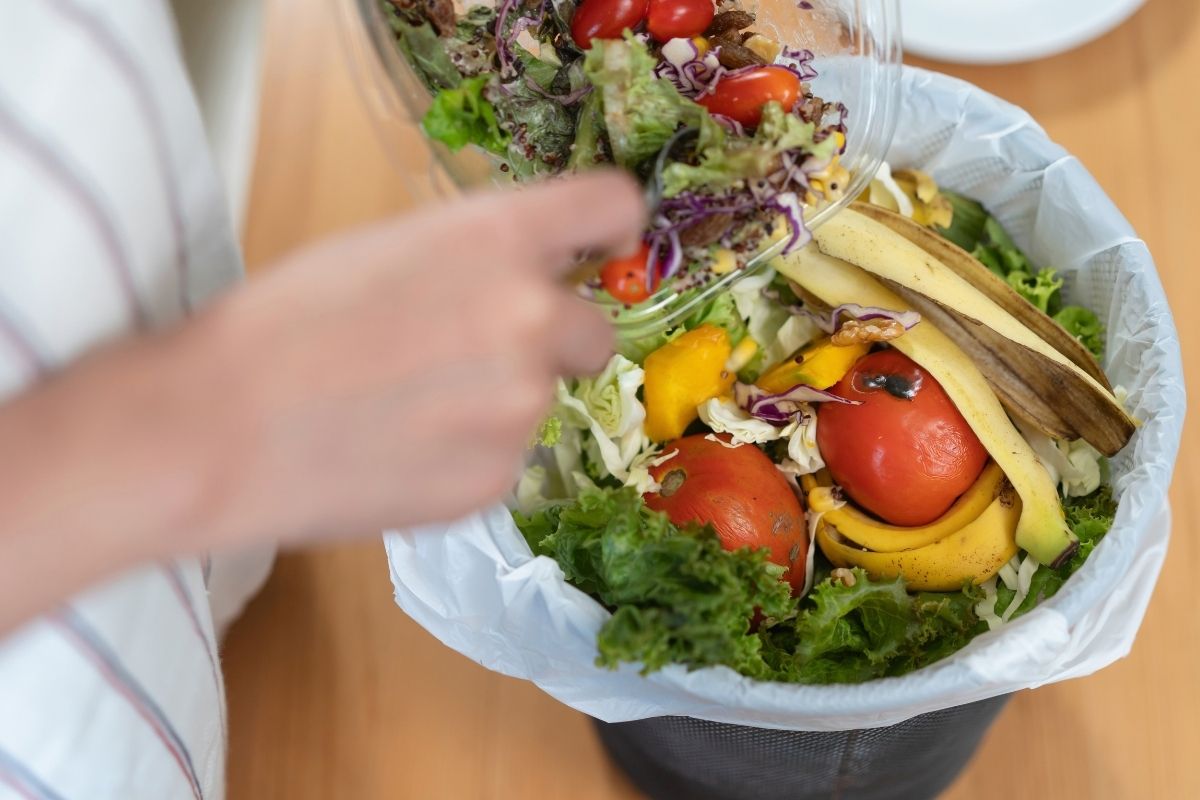
This is the one I’m worst at, and it’s also the one with the biggest available win.
I batch cook, then forget what’s in the back of the fridge, then find it a week later.
Food waste is responsible for roughly 8 to 10% of global emissions. Food rotting in landfill without oxygen produces methane, which traps far more heat than carbon dioxide does.
Throwing away a third of what you buy cancels out a lot of careful shopping. Clear containers so you can see what’s in there, and a proper look in the fridge before you write the list. Unglamorous, and it’s the highest impact item on this page.
🛒 5. You’re Buying Plastic-heavy Products
Tofu, plant milk, snacks, salad. All of it plastic, every week.
Worth keeping in proportion though: packaging is usually a small share of a food’s footprint compared to how it was grown. Worth fixing, not worth agonising over.
Buy dried lentils, beans, rice and oats in the biggest bag you’ll get through. That’s cheaper and less packaging at the same time. Reusable produce bags cover the loose fruit and veg.
🌍 6. You’re Supporting Harmful Farming Practices
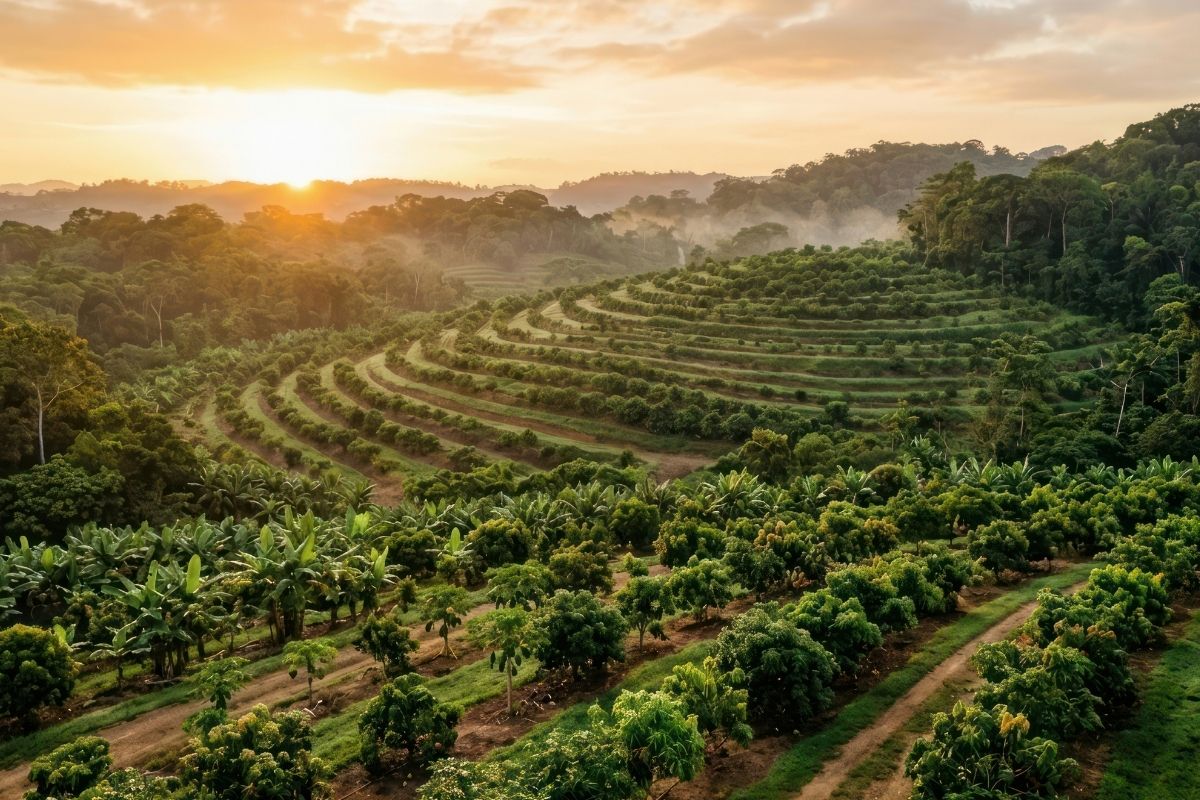
Plant based doesn’t automatically mean ethically grown. Cacao and coffee are tied to deforestation and some genuinely grim labour practices. As quinoa became more expensive, many of the communities that grew it could no longer afford it.
One correction worth making: the soy deforestation story is not about your tofu. Around 77% of the world’s soy is grown to feed livestock. Soy eaten directly by people is a small fraction of it.
Fair trade certification on chocolate and coffee is where your money actually moves something here.
🌍 7. You’re Ignoring Local And Seasonal Eating
Seasonal matters more than local. Something grown in a heated greenhouse down the road can be worse than the same thing grown outdoors abroad and shipped.
In season and unheated is the combination you want. It’s also cheaper and tastes better, which makes it an easy habit to keep.
The farmers market on a Saturday is how I keep track of what’s actually in season. It’s also the only shopping I enjoy.
✅ Final Thoughts
None of this undoes the main point. Going vegan remains one of the largest single changes you can make to your own footprint, and nothing on this list comes close to offsetting it.
If you want the short version: stop wasting food, buy in season, choose oat over almond, and keep the processed stuff occasional. Everything else is fine tuning, and here’s what I actually eat.
I’m still working most of this out. The February blueberries were three weeks ago. 💚


🛒 The Swaps That Actually Move The Needle
Stop wasting food, buy in season, choose oat over almond. Everything else is fine tuning.
- Oat milk: a fraction of almond milk‘s water use, and a genuinely easy swap.
- Storage containers: clear ones, so you can see it before it rots. The highest impact item here.
- Reusable produce bags: for the loose fruit and veg you are already buying.
- Dried lentils: buy the biggest bag you will get through. Cheaper and less packaging at once.
- Rolled oats: same logic, and they keep for a year.
- Tinned chickpeas: steel recycles endlessly, unlike the pouch the alternative comes in.