What Vegetables Do Vegans Eat

This post may contain affiliate links. See our disclosure policy for more.
People picture vegans grazing on lettuce. In reality the vegetables that do the heavy lifting are the boring ones: onions, carrots, potatoes and whatever green was on offer.
There’s no official list, but there are seven groups that end up in most vegan kitchens, and each one is there for a different reason.

Here’s what each group actually does for you, and how I cook it so it doesn’t end up soft and grey in the bottom of the fridge. If you’re still making the switch, buy across a few of these groups rather than a mountain of one.
🥦 1. Leafy Greens

Kale, chard, collards, rocket and spinach. These are your calcium, iron, folate and vitamin K. Worth knowing that kale and chard actually beat spinach for usable iron, because spinach carries oxalates that block a lot of its own.
Tip: kale in a hot cast iron pan with garlic and a squeeze of lemon at the end. The lemon isn’t just flavor, the vitamin C is what lets you absorb the iron.
🥦 2. Cruciferous Vegetables

Broccoli, cauliflower, sprouts and cabbage. High fibre, high vitamin C, and cheap year round. Cabbage in particular is criminally underrated and lasts weeks in the fridge.
Tip: roast them, don’t boil them. Sprouts halved and crisped in an air fryer convert people who swear they hate sprouts. Boiling is where the reputation came from.
🥦 3. Root Vegetables

Carrots, sweet potatoes, beetroot, turnips, parsnips. These are your slow carbs, and they’re what makes a vegan meal actually filling rather than a plate you finish and still feel hungry after. Beetroot is also a decent iron source.
Tip: sweet potato wedges with smoked paprika, or blend roasted beetroot into hummus with plenty of tahini. It turns an alarming pink and tastes better than it looks.
🌱 4. Nightshades

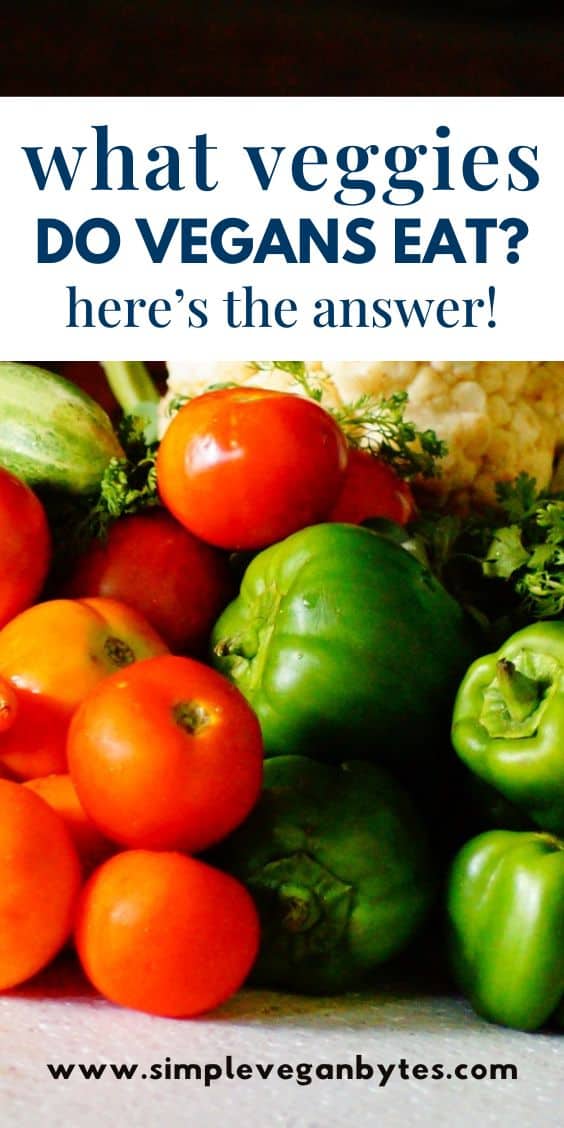
Tomatoes, peppers, aubergine, potatoes and chillies. Peppers are one of the highest vitamin C foods there is, more than oranges, which makes them the most useful thing you can add to a bean or lentil meal.
Tip: salt aubergine slices for twenty minutes and pat them dry before cooking. Skip that and they soak up oil like a sponge, which is why most people think they don’t like aubergine.
🌱 5. Squash Family

Courgette, butternut, pumpkin, spaghetti squash. Naturally sweet, so they need less seasoning than you’d expect. A spiralizer turns courgette into noodles, which is genuinely good in a sauce and genuinely not a replacement for pasta, whatever the internet says.
Tip: halve courgettes, scoop them out, fill with quinoa and roasted peppers, and bake. It’s a dinner that looks like effort and takes twenty minutes.
🫘 6. Legume Vegetables

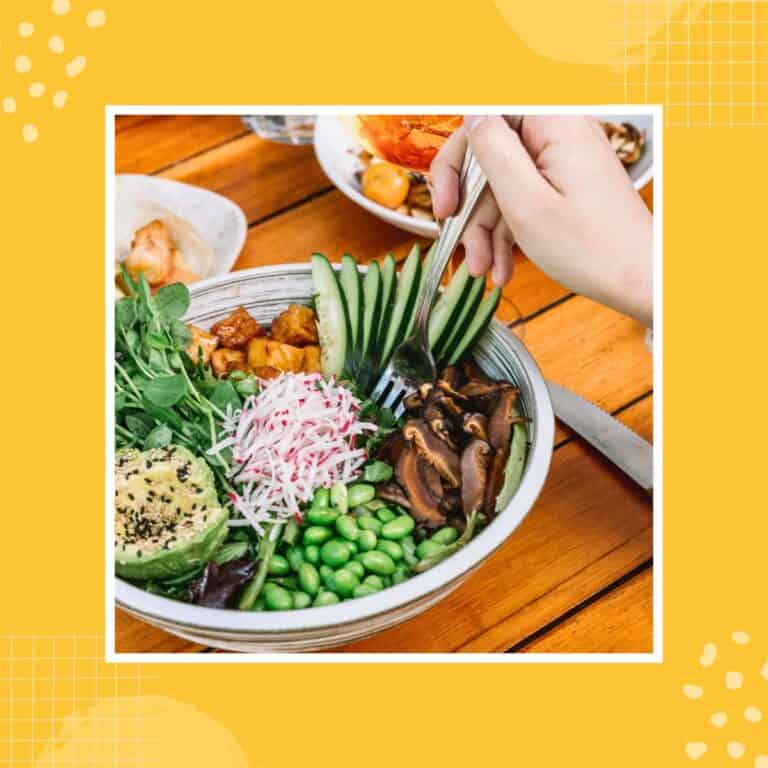
Peas, green beans, broad beans and edamame. These are the vegetables with real protein in them, which is why they matter more on a vegan plate than they would otherwise. Frozen peas are one of the few frozen foods that beat fresh, since they’re podded and frozen within hours.
Tip: frozen edamame, three minutes in boiling water, plenty of flaky salt. It’s the easiest high protein snack in the freezer aisle.
🥦 7. Specialty Veggies

Artichokes, asparagus, okra, fennel and mushrooms. Mushrooms aren’t vegetables at all, but they do the job nothing else does on a vegan plate, which is savoury depth. They’re where most of my cooking gets its backbone, along with the right fat to cook them in.
Tip: don’t wash mushrooms and don’t crowd the pan. Wet mushrooms steam and go rubbery. Dry pan, high heat, salt at the end, and a good spice rack for the rest.
🥦 How To Eat More Vegetables Every Day
- Aim for five or more a day across different colours, since different pigments mean different nutrients.
- Roast a tray of mixed vegetables on Sunday and keep them in containers. This is the single habit that stopped vegetables rotting in my fridge.
- Blend greens into sauces and smoothies where you won’t taste them, especially spinach.
- Cook from cuisines that already treat vegetables as the main event. Indian, Thai, Lebanese and Ethiopian food does this far better than most Western recipes.
You don’t need all seven groups every week. Pick a green, a root, a cruciferous and something from the nightshades, and you’ve covered most of what your body is after. The rest is just cooking, and these are the meals I started with.
🛒 What Makes Vegetables Worth Eating
The vegetables are cheap. These are the things that stop them being boring or rotting in the drawer.
- An air fryer: converts people who swear they hate sprouts. Roasting beats boiling every time.
- A cast iron skillet: for greens with garlic and lemon, and for mushrooms that brown instead of steam.
- A proper spice rack: the actual difference between a plate of vegetables and dinner.
- Storage containers: roast a tray on Sunday. This is what stops the fridge rot.
- Reusable produce bags: for loose fruit and veg, and less plastic every week.
- A spiralizer: courgette noodles are genuinely good in a sauce. Not a pasta replacement, whatever the internet says.
📚 More Vegan Resources
🌟 Did you LIKE this ARTICLE?
Leave a comment below! We can’t wait to hear what you think!