5 Simple Tips for Starting a Vegan Diet

This post may contain affiliate links. See our disclosure policy for more.
The first month of going vegan is mostly admin. Not hard, just a lot of label reading and standing in supermarket aisles longer than you’d like.
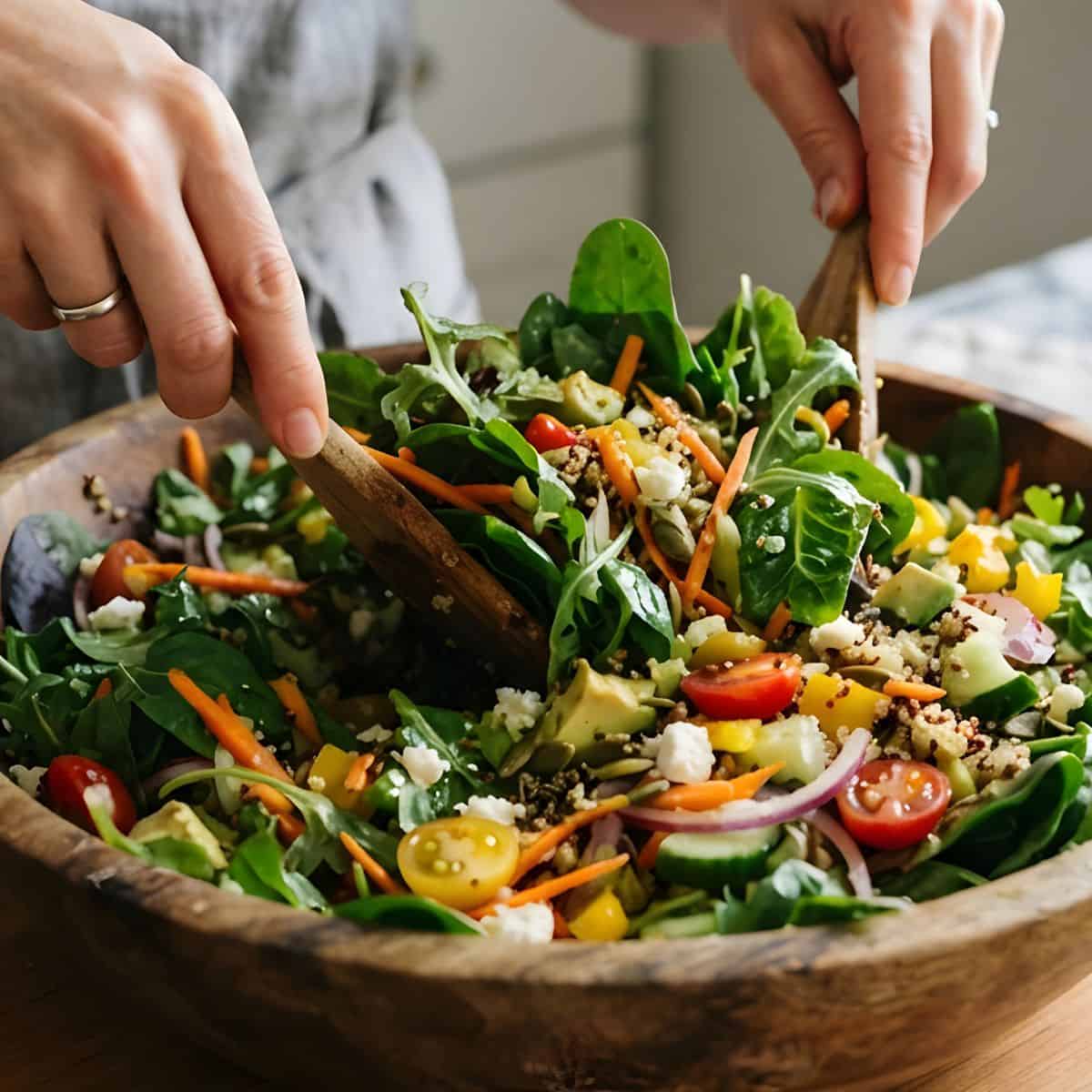
These are the five things I wish someone had told me before I started, rather than three months in. They apply whether you’re going all in or just adding a few plant-based meals a week.
💪 1. Don’t Skip Your Protein!
Everyone will ask you about protein. It’s the first question, every time, and it’s also the easiest one to solve.
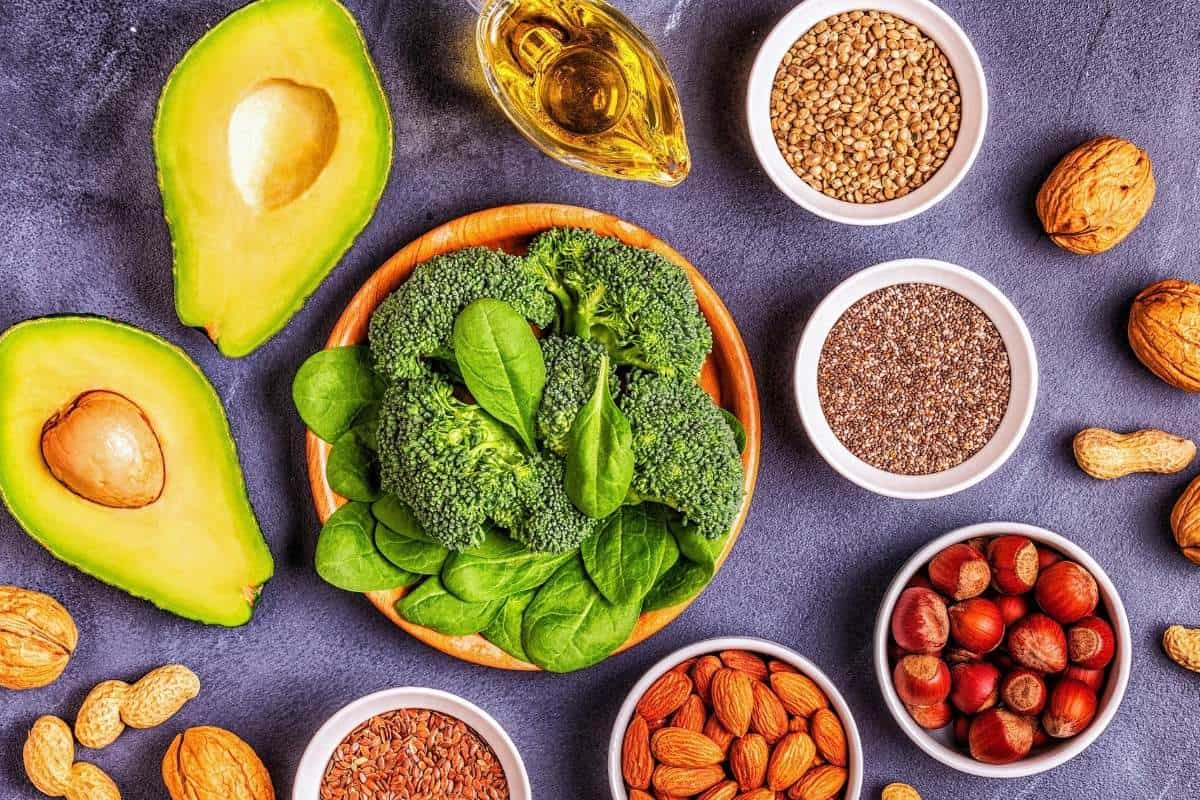
Beans, lentils, chickpeas, tofu, tempeh and quinoa all carry serious protein. So do chia seeds, hemp seeds and almonds, which is the bit people forget.
Tip: you don’t need to combine proteins at every meal. That advice was debunked decades ago and somehow refuses to die. Eat a range across the day and you’re covered.
🛒 2. Stock Up On Iron-Rich Foods
Iron is the one that actually catches people out. There’s plenty of it in plants, but your body absorbs it far less readily than the version in meat.
The fix is one habit: put vitamin C in the same meal. Lemon over the greens, peppers in the stir fry, tomatoes in the stew. It’s also worth keeping tea and coffee an hour away from your meals, because both block iron more than you’d expect.
🌱 3. Don’t Forget About Omega-3s
Omega-3s are the quiet one. Nobody asks about them, and they’re harder to cover than protein ever was. They matter for your heart and your brain, and they matter more once you’re training regularly.
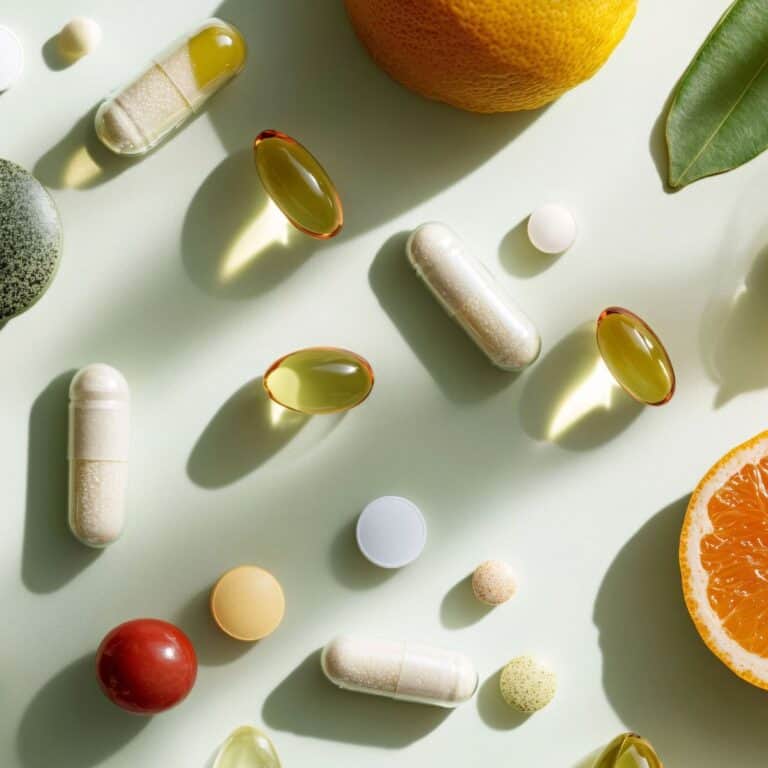
Ground flaxseed, chia seeds and walnuts are the food sources. It has to be ground flax, whole seeds pass straight through. A tablespoon in your porridge or smoothie covers it. Many vegans also take an algae based omega-3, since that is the form your body uses without conversion.
👩🍳 4. Plan Your Meals Ahead Of Time
Almost every new vegan ends up in a four meal rut. Pasta, curry, stir fry, beans on toast. I did it for months and it’s the main reason people get bored and quit.
Twenty minutes on a Sunday fixes it. Pick five dinners, buy for those, and cook a batch of grains and beans to build from. A set of decent containers makes this less annoying than it sounds, and it stops you eating salad out of obligation.
🌱 5. Keep Snacks Handy
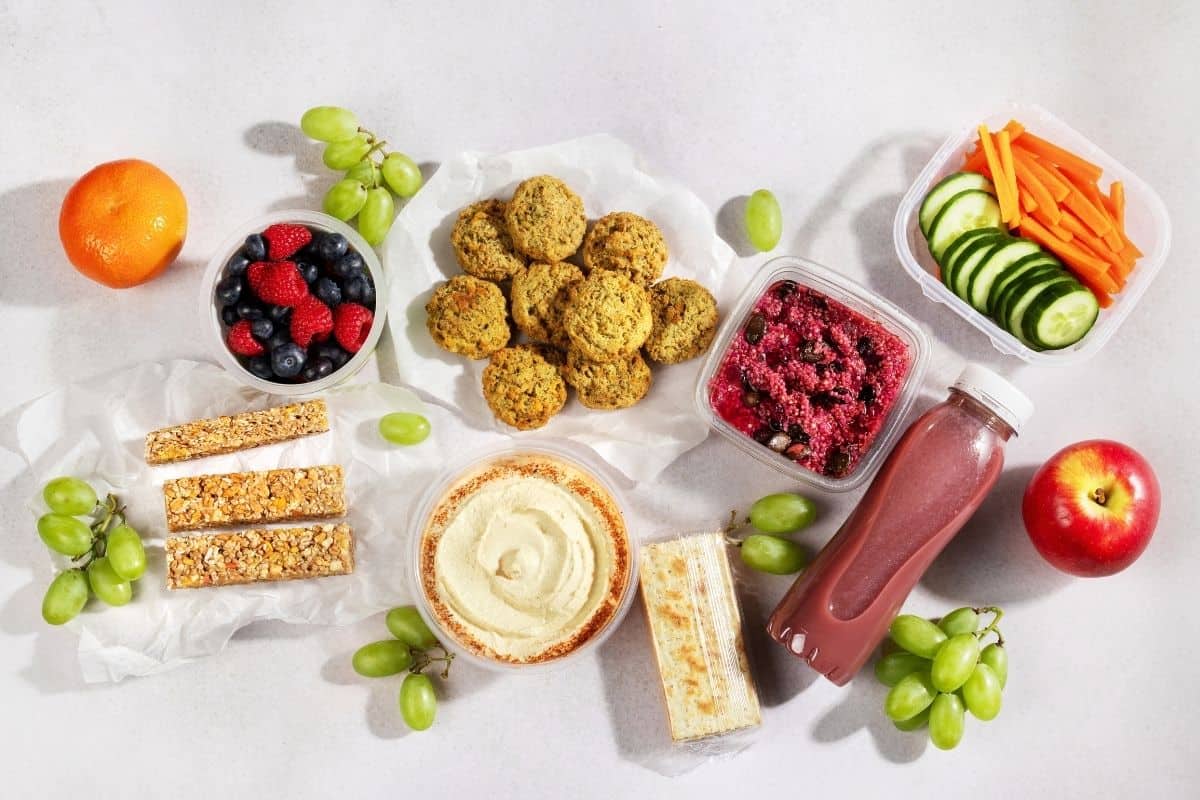
Almost every time I slipped up early on, it was because I was hungry somewhere with no options and low patience.
Keep something in your bag and something in your desk. Nuts, a bar, apple and peanut butter, hummus and carrots. It sounds too simple to matter and it’s the single thing that made this stick for me.
🌱 What You Can Expect:
The first few weeks feel like a lot of thinking. By about week six you stop noticing, and shopping goes back to being fast.
Digestion changes first, usually within days, and not always comfortably while your gut adjusts to the extra fibre. Energy tends to follow later. One thing that isn’t optional: you need a B12 supplement. There is no reliable plant source, and this is the one nutrient you cannot cover with food alone. Fortified nutritional yeast helps but should not be your only source.
🌱 Stay Committed!
You will get something wrong. You’ll eat something with milk powder in it and find out afterwards. It genuinely doesn’t matter, and treating it like it does is how people burn out and quit.
What tripped you up in your first month? Leave it in the comments, it’s usually the same handful of things and it helps the next person.
🛒 What To Buy In Your First Month
You do not need a new cupboard. You need about six things and one supplement.
- A B12 supplement: the only genuinely non-negotiable one. Start it on day one, not month three.
- Ground flaxseed: for omega-3s. It has to be ground, whole seeds pass straight through.
- Algae omega-3: the form your body actually uses, without the conversion step.
- Tinned chickpeas: protein, iron and fibre for about a pound.
- Tempeh: when tofu has already let you down once.
- Storage containers: twenty minutes of Sunday prep is what makes this stick.
📚 Related Articles
- How to Transition to a Vegan Diet Slowly (And Stick With It)
- The Hidden Danger in Your Vegan Protein Diet You Need to Know
- Dating As a Vegan: What To Know When Your Partner Isn’t
🌟 Did you LIKE this ARTICLE?
Leave a comment below! We can’t wait to hear what you think!