Plant vs. Meat: Which Protein Source Really Wins on Nutrients?

This post may contain affiliate links. See our disclosure policy for more.
Plant protein versus meat protein gets argued about like it’s a football match. The honest answer is less satisfying than either side wants.
Gram for gram, meat wins on a couple of specific things. Plants win on a couple of others. Neither one is a knockout.
What actually matters is which gaps you personally need to fill, and almost nobody talks about it that way.
So here’s the real comparison, nutrient by nutrient, with the bits nobody mentions.
🌱 The Great Debate: Animal Vs. Plant Proteins
Both sides tend to argue about one nutrient and ignore the other twelve. Let’s do the whole picture.
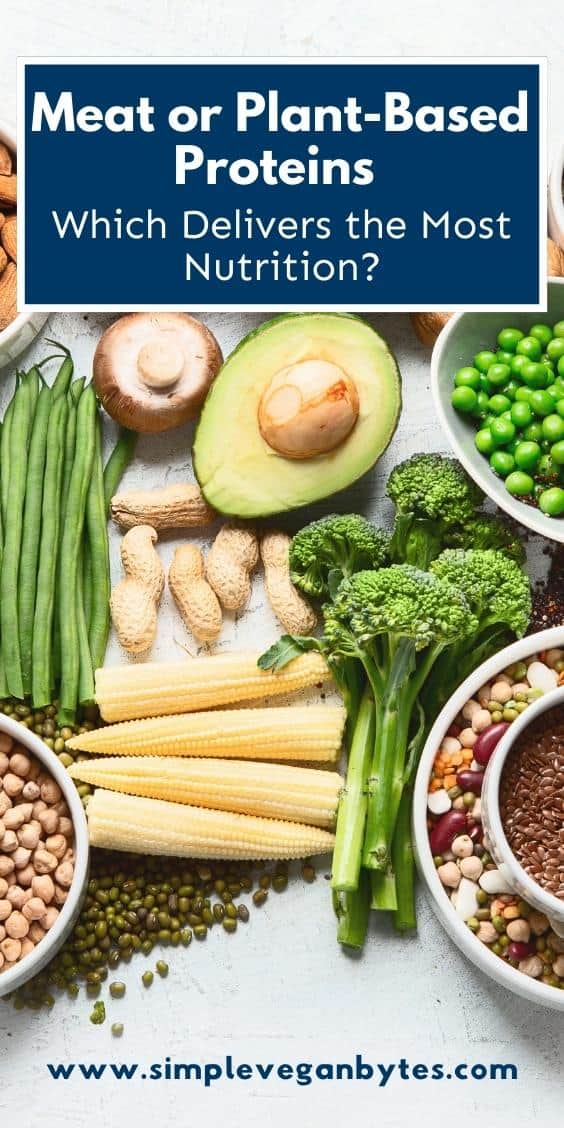
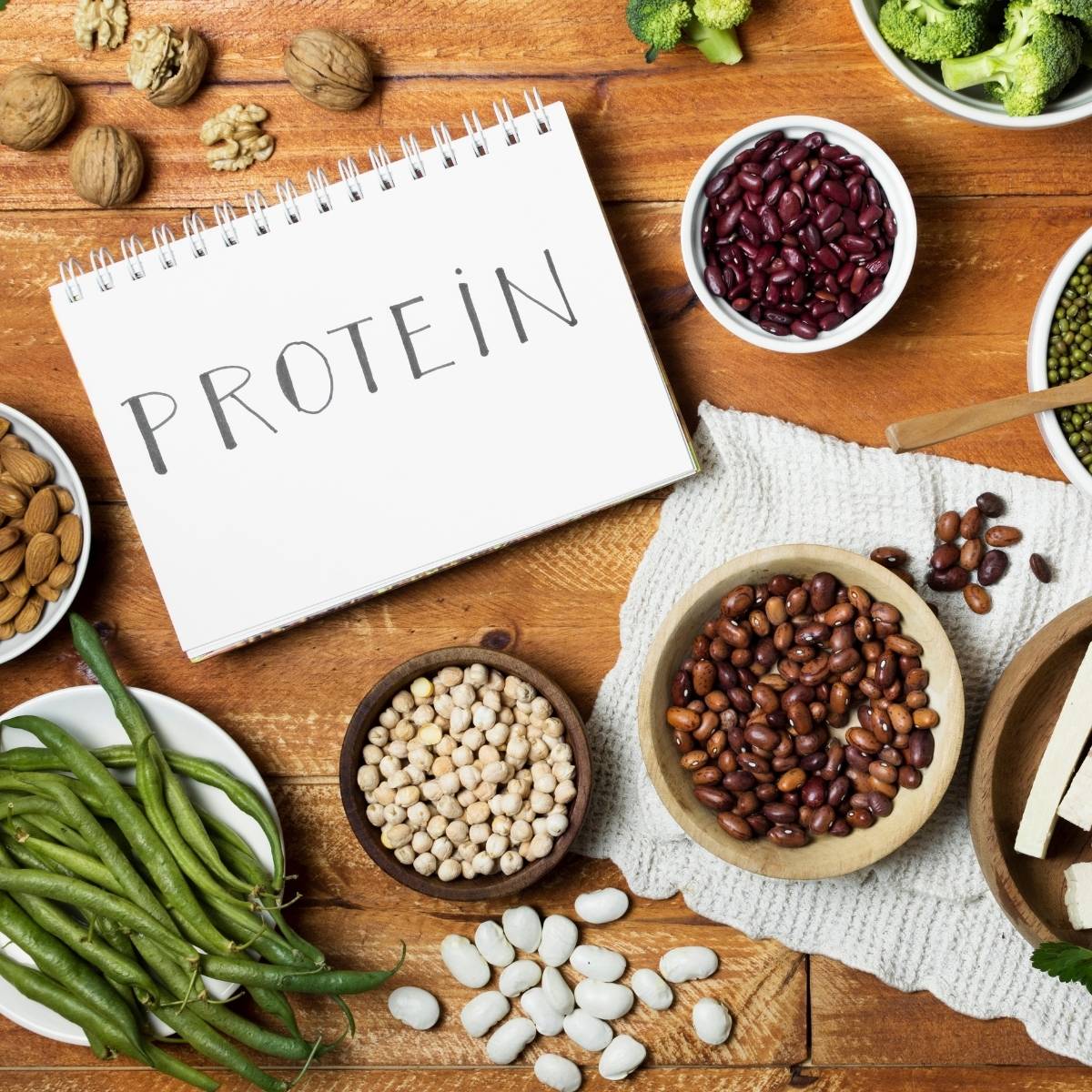
Meat, eggs and dairy come with all nine essential amino acids and a lot of iron, zinc and B12. Beans, lentils, nuts and seeds come with fibre, antioxidants and almost no saturated fat.
Animal protein carries B12 and heme iron, both of which are genuinely easier to absorb. Plant protein carries zero cholesterol and fibre, which meat has none of at all. If you eat plants only, a B12 supplement closes the one gap that food cannot.
The research mostly says the same dull thing: variety wins, and swapping some red meat for plants improves outcomes. Not a headline, but it’s what the data keeps saying.
🌱 Nutrient Powerhouses: What’s In Each Bite?

Meat is efficient. One portion covers protein, B12, zinc and iron in a form your body takes up easily. That’s a real advantage and pretending otherwise helps nobody.
Plants take more than one food to do the same job, but they arrive with fibre, magnesium, folate and antioxidants attached. A cup of chickpeas gives you protein, iron and 12g of fibre at once.
A 2022 review in Nutrients found plant protein sources linked to better cardiovascular outcomes than animal ones. That’s an association across populations, not a promise about any one person.
It doesn’t mean you must give up meat. It does mean that if you’re replacing some of it, the evidence is on your side.
🌱 Breaking Down Amino Acids: The Building Blocks
Proteins are made of amino acids, and nine of them your body can’t build itself. Those are the essential ones.
Meat covers all nine. Most plants are short on one or two, usually lysine or methionine. Beans with rice covers both, which is why half the world’s traditional cuisines already pair them.
Worth knowing: the old rule about combining proteins at every single meal was overturned decades ago. Protein complementation works across the whole day. Quinoa, soy and buckwheat are complete on their own anyway.
So the amino acid argument, which is the one people lean on hardest, is mostly outdated.
🌱 Fiber Frenzy: The Surprise Bonus Of Plants
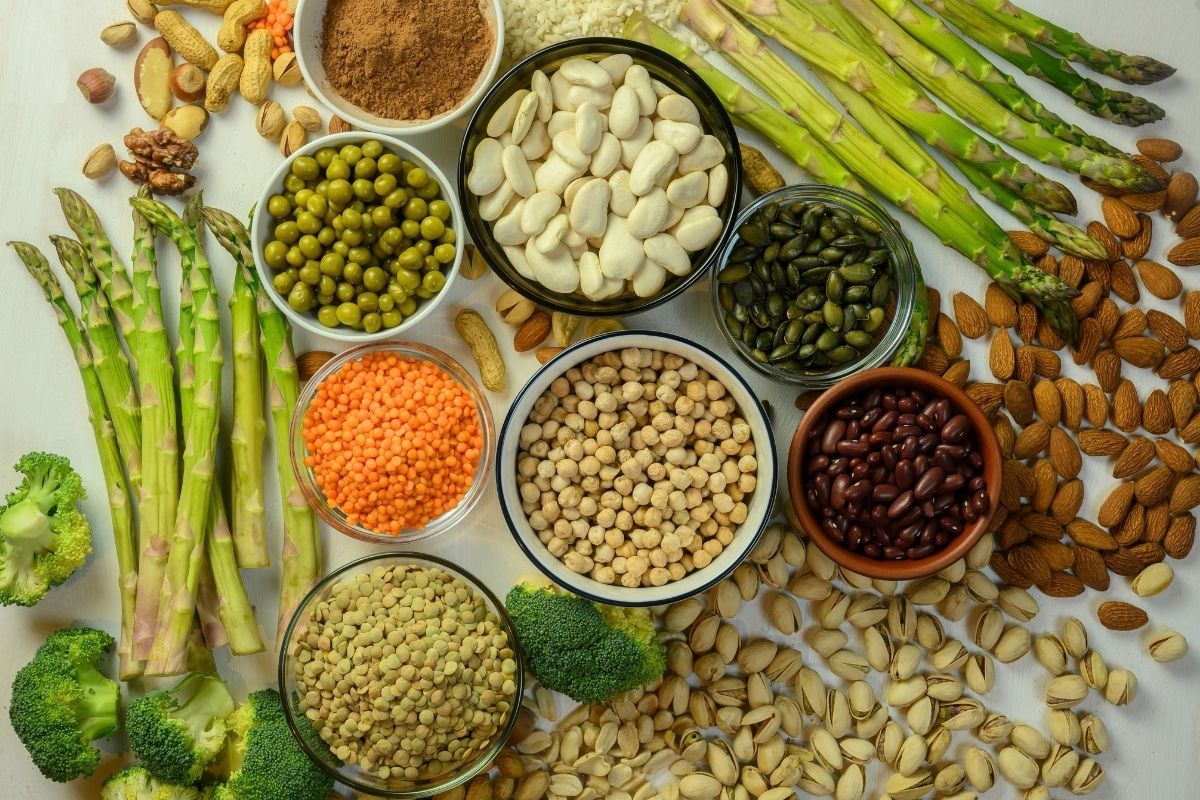
This is where it stops being close. Most people eat about half the fibre they should, and fibre affects cholesterol, blood sugar and gut health.
Meat contains no fibre. None, at any cut, at any price. Lentils carry around 15g a cup.
If you change one thing after reading this, put beans in something. That single swap does more than most supplements.
🌱 Heart Health: Lower Your Risks
Swapping some red meat for plant protein shows up consistently in the heart data. It’s one of the better established findings in nutrition.
The mechanism is unglamorous: less saturated fat, no dietary cholesterol, more fibre. All three pull in the same direction.
Diet is one lever though. Sleep, movement and stress are doing plenty of the work too.
Two or three plant based dinners a week is a real change and nobody has to announce anything at dinner.
💪 A Weighty Subject: Protein’s Role In Weight Management
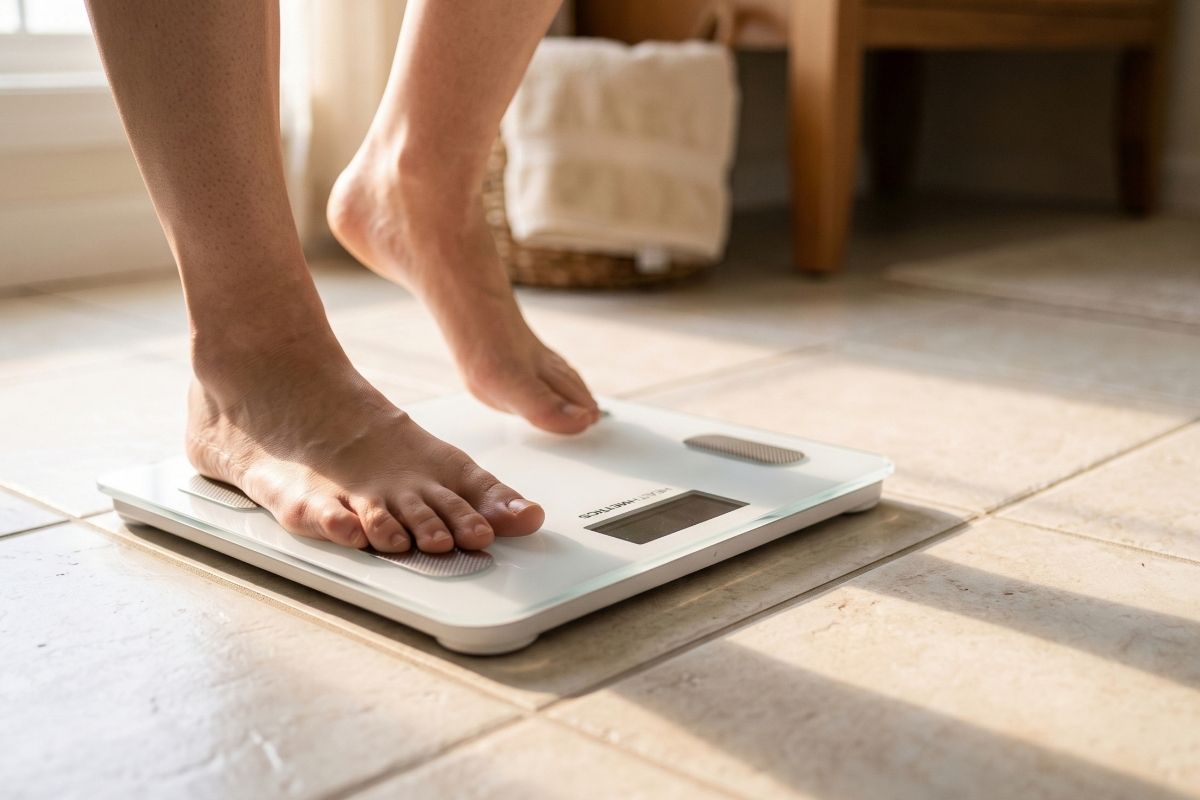
Protein keeps you full longer than carbs or fat, whichever source it comes from. That’s the actual mechanism behind most high protein diets.
Plant protein arrives with fibre attached, which adds a second fullness signal. Beans and lentils are unusually good at killing an appetite.
The research points at total protein intake rather than the source. Where it comes from matters less than whether you’re getting enough.
If you train seriously and struggle to hit your numbers on plants alone, a vegan protein powder is the pragmatic fix. It’s a shortcut, not a requirement.
🌍 Environmental Impact: The Hidden Cost
Here the gap is enormous. UN figures put beef far above plant proteins on emissions, land and water, and it isn’t close.
Plant farming isn’t blameless either. Monocultures, almond irrigation and air freighted produce all carry a cost. It’s just a smaller one.
Worth knowing: what you eat matters far more than how far it travelled. Transport is usually a small slice of a food’s total footprint.
Cutting beef and lamb specifically does more than any amount of shopping local. That’s the single highest impact change available.
💰 Comparing Costs: Budget Bites
Dried beans and lentils are the cheapest protein in any supermarket, by a distance. It isn’t close either.
Price per gram of protein, dried lentils beat chicken comfortably and beat beef by an embarrassing margin. Tofu sits somewhere in the middle.
The expensive part of vegan eating is never the protein. It’s the packaged substitutes.
🚩 Debunking Myths: Misinformation Detox

A few things get repeated constantly that simply aren’t true anymore.
Plant protein is not inferior protein. It’s slightly less efficiently absorbed, which you solve by eating a bit more of it. That’s the whole adjustment.
And in the other direction, chicken and fish do not cause health catastrophes. Most of the concerning data is about processed and red meat specifically.
Nutrition is dull in the middle and loud at the edges. The middle is usually where the evidence lives.
💪 Mood And Mind: The Mental Impact Of Protein
Serotonin is built from tryptophan, which comes from protein. That’s true whichever source it arrives from.
The wrinkle is that tryptophan needs carbohydrate alongside it to get into the brain, so plant meals that pair the two are actually well set up for it.
What genuinely does wreck your mood is a B12 or iron deficiency, and both creep up slowly. If you’re plant based, keep the B12 going and get your iron checked before blaming your diet in general.
🌱 Variety: The Spice Of Life
If there’s a conclusion in the research, it’s just variety. Nobody’s getting a documentary out of that.
Rotating your sources covers more ground than perfecting one. Beans, lentils, tofu, tempeh, nuts, seeds and grains all bring something slightly different.
The thing that changed my cooking most was learning to make plant protein taste good rather than worrying whether it counted. A decent plant based cookbook did more for that than any amount of reading nutrition studies.
You don’t need to pick a team to eat well.
🌱 Personalizing Your Plate
Your reasons are your own. Health, environment, ethics, cost, or you just prefer it. All of those are fine reasons.
What matters practically is knowing which nutrients you need to pay attention to based on what you’ve cut out.
Fully plant based means B12, and it means keeping an eye on iron, omega-3s and iodine. That’s the actual checklist, and it’s short.
🌱 Food For Thought: Final Word
So nobody wins. Meat is more efficient per bite. Plants bring fibre and a much lighter footprint, and cost less.
Eat enough protein, spread it around, cover the nutrients your diet doesn’t supply, and stop worrying about the scoreboard.
🛒 Where I Get My Plant Protein
If you are replacing some meat, this is the shopping list that actually covers it.
- Dried lentils: cheapest protein per gram in any supermarket, and 15g of fibre with it.
- Tinned chickpeas: protein, iron and fibre in one tin.
- Tempeh: around 20g of protein per 100g, fermented and easy to digest.
- Quinoa: complete on its own, which very few plants manage.
- Vegan protein powder: the pragmatic fix if you train and struggle to hit your numbers.
- A B12 supplement: the one nutrient plants genuinely cannot cover.
📚 Related Articles
- 13 High-Protein Vegan Snacks That Will Energize Your Day
- 5 Vegan Myths Debunked: What’s Really Holding You Back?
- The Hidden Danger in Your Vegan Protein Diet You Need to Know
- Vegan Protein 101: How to Get Enough Without Meat
🌟 Did you LIKE this ARTICLE?
Leave a comment below! We can’t wait to hear what you think!