What the Heck Is L-Cysteine and Why Is It in Your Bread?
This post may contain affiliate links. See our disclosure policy for more.
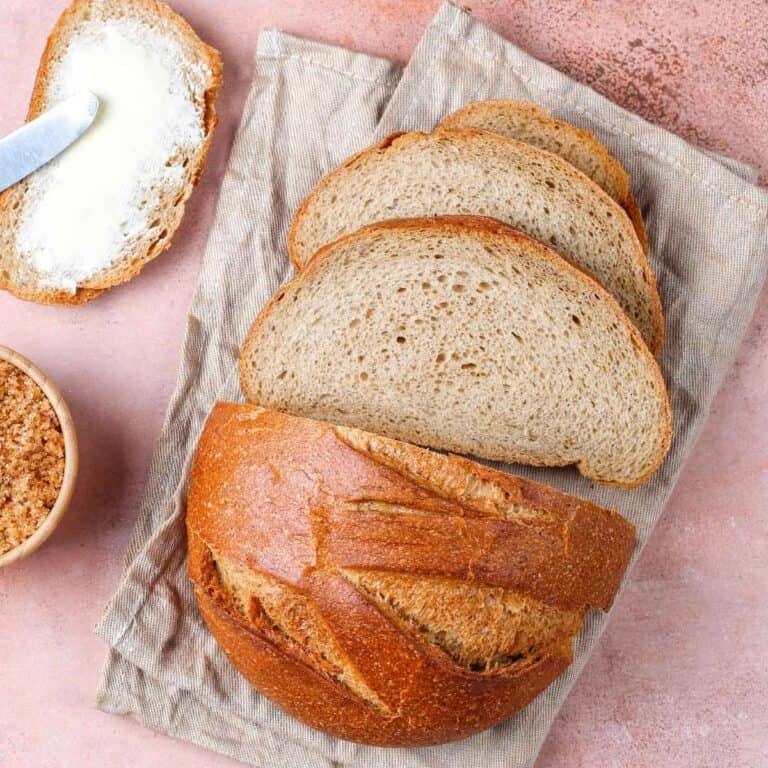
Ever bite into a soft, fluffy sandwich roll and wonder how it stays that soft on the shelf for weeks? The answer might be L-cysteine.
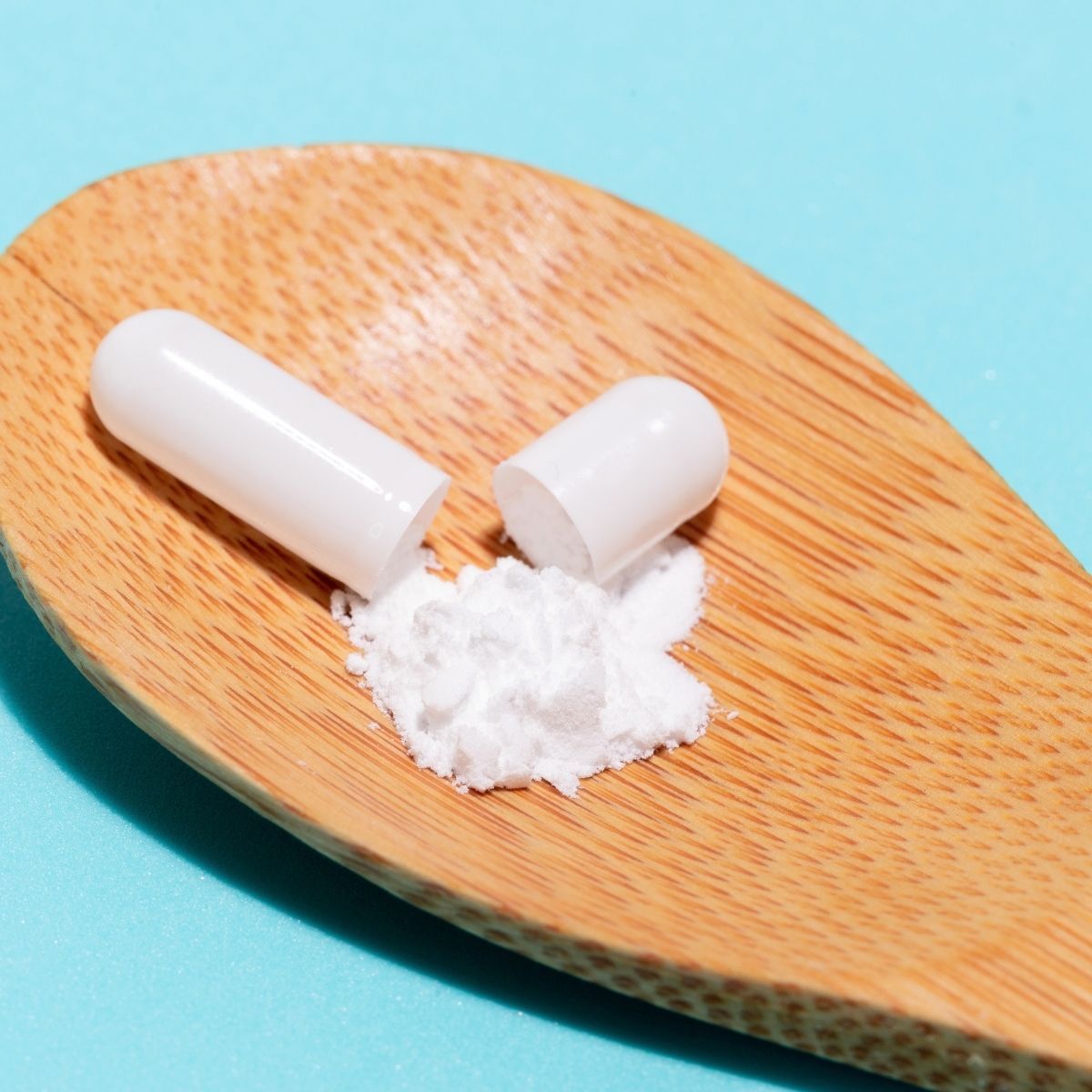
And before you roll your eyes at another hard-to-pronounce ingredient, here are 5 things you really need to know, especially if you’re vegan or trying to avoid weird additives.
1. L-Cysteine Is an Amino Acid, But Not Always a Plant-Based One
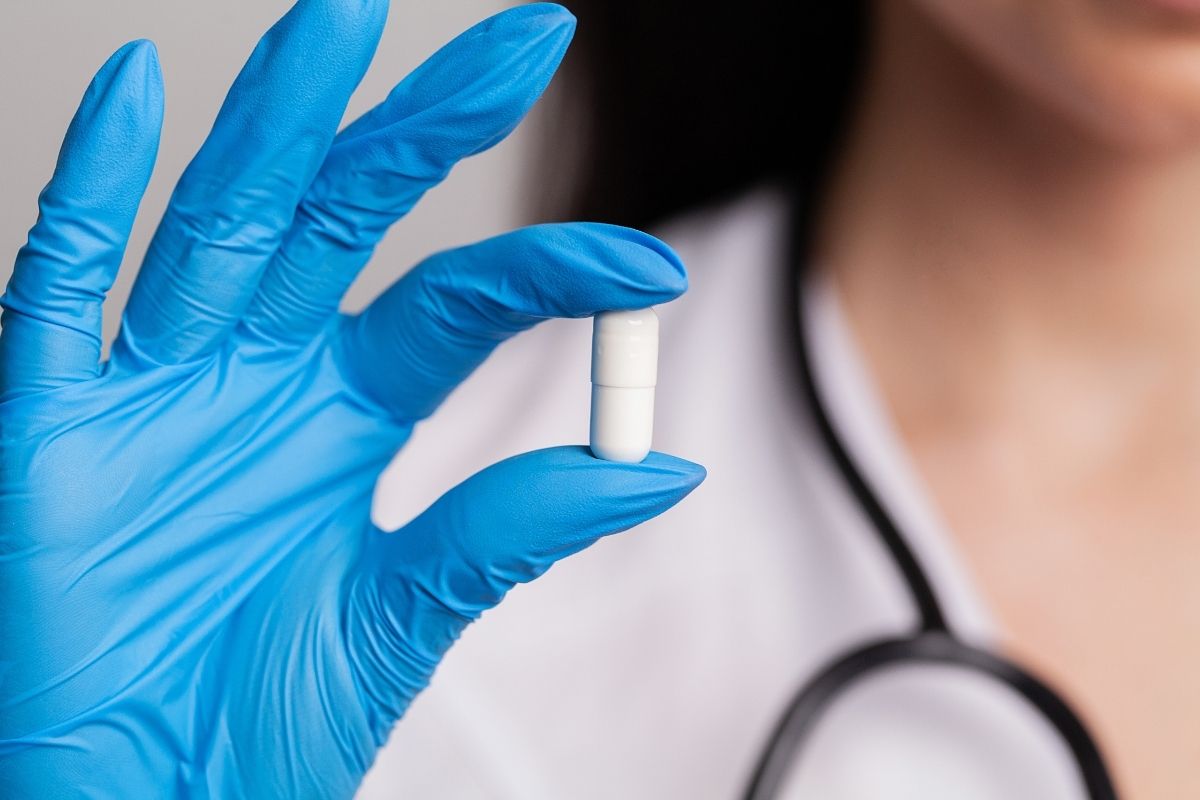
L-cysteine is a naturally occurring amino acid used in commercial baking to soften dough, speed up processing time, and extend shelf life. Sounds harmless enough, until you realize where it often comes from.


Historically, the most common source? Human hair or duck feathers. Yep. Hair. As in, barbershop floor sweepings.
Today, some companies use synthetic or microbial fermentation to make L-cysteine, but that’s not always clearly labeled.
2. It’s Hiding in Breads, Buns, and Bagels
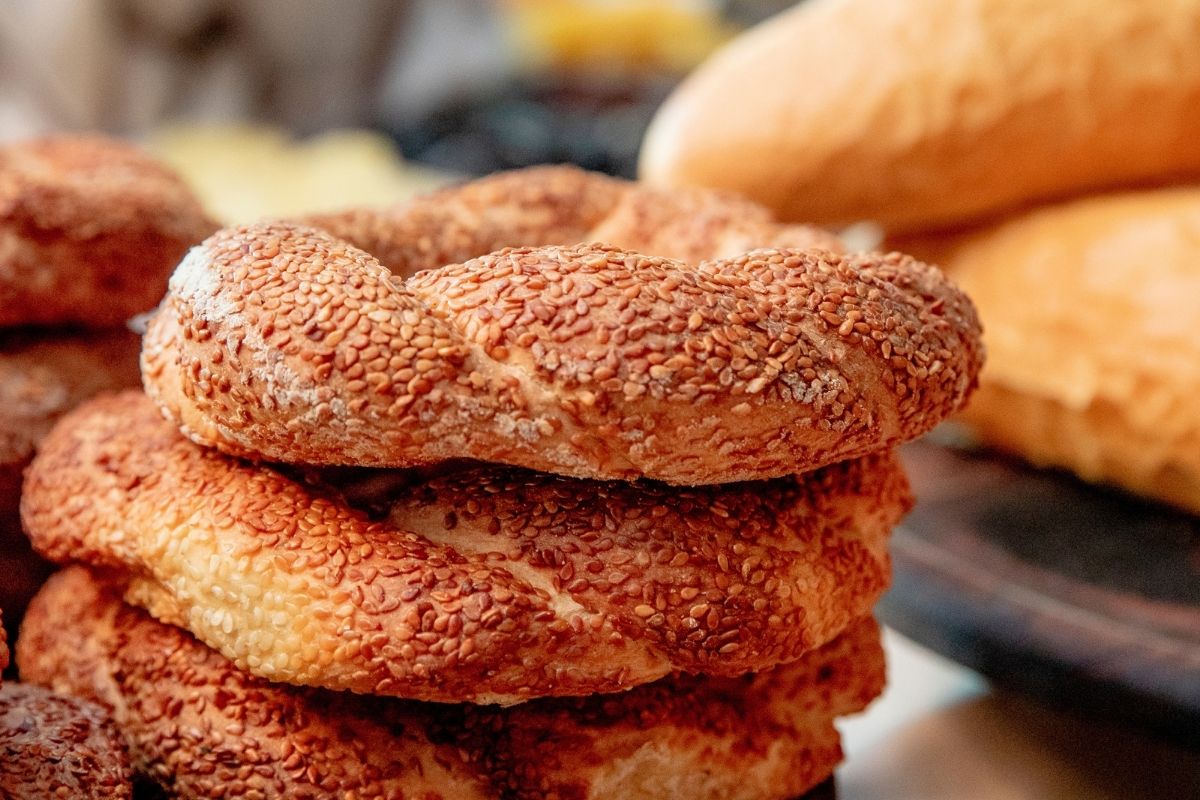
You’ll often find L-cysteine in commercial bakery items, especially fast food buns, frozen pizza crusts, and supermarket rolls.
We once bought “100% Whole Wheat” burger buns that turned out to have L-cysteine sourced from feathers. Not exactly the plant-based picnic we had in mind.
3. It Might Not Be Listed Clearly on Labels
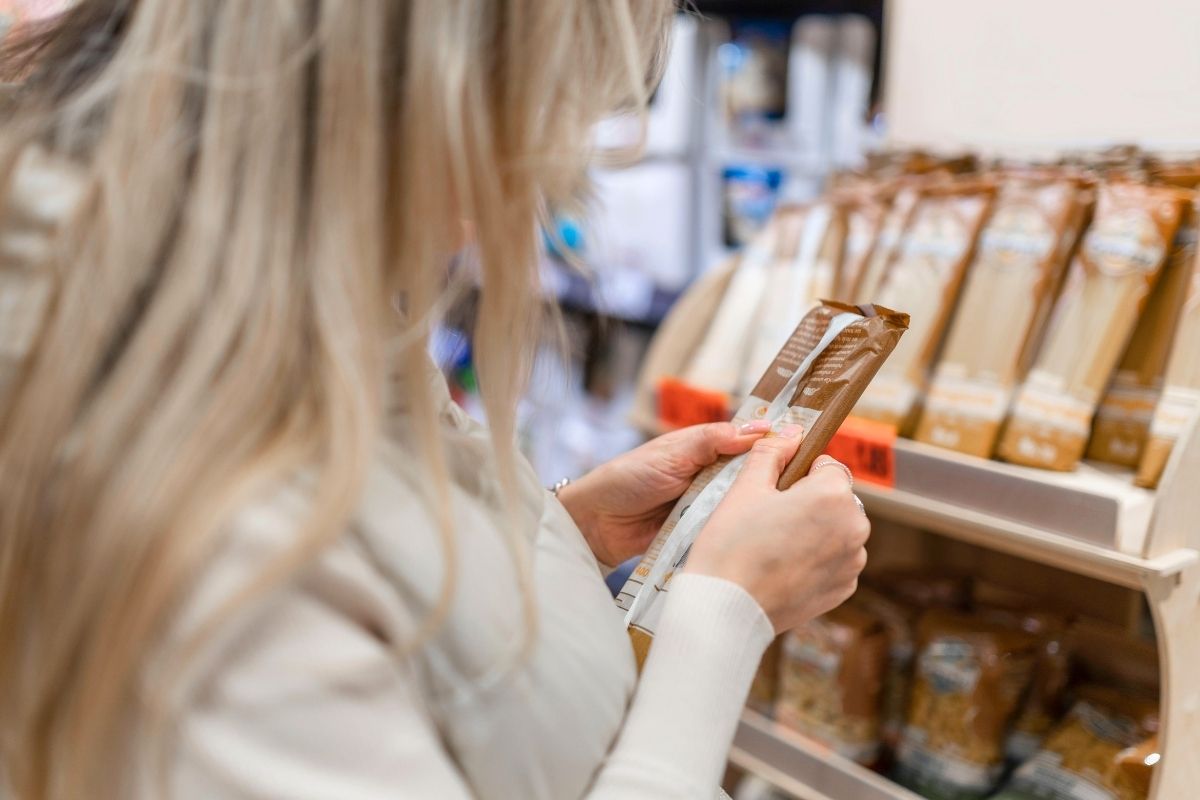
Even if it’s in your food, L-cysteine might appear under vague terms like “dough conditioner” or “processing aid.” And because it’s often used in such small amounts, companies aren’t always required to tell you the source.

That’s one reason we now check for vegan certification or stick to local or organic bakeries when we can.
4. Most Fast Food Buns Contain It
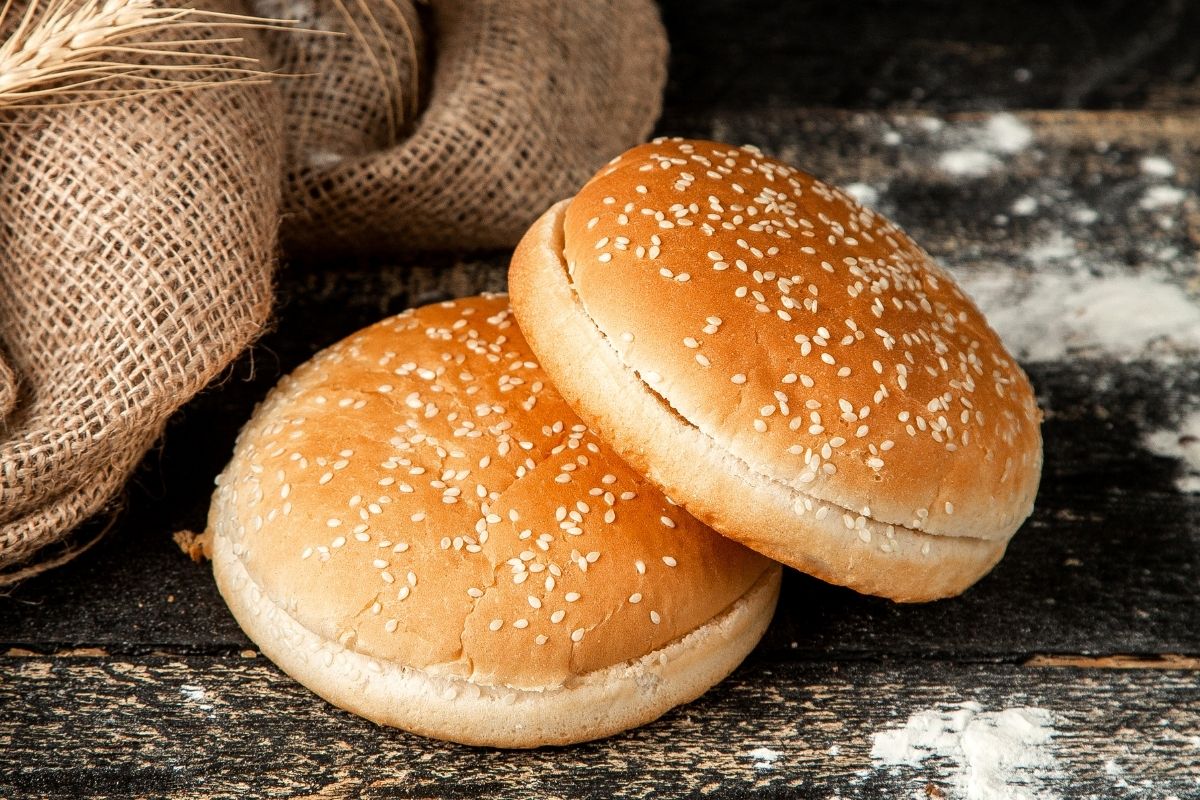
This one’s a heartbreaker: many popular burger chains still use L-cysteine in their bread. A 2018 investigation found it in over 80% of major fast food burger buns. Unless otherwise stated, it’s often derived from animal sources.
We’ve had to get creative when grabbing lunch on road trips with our 3 boys, PB&J on homemade rolls is now our go-to.
5. There Are Vegan Alternatives (But You’ll Have to Hunt)
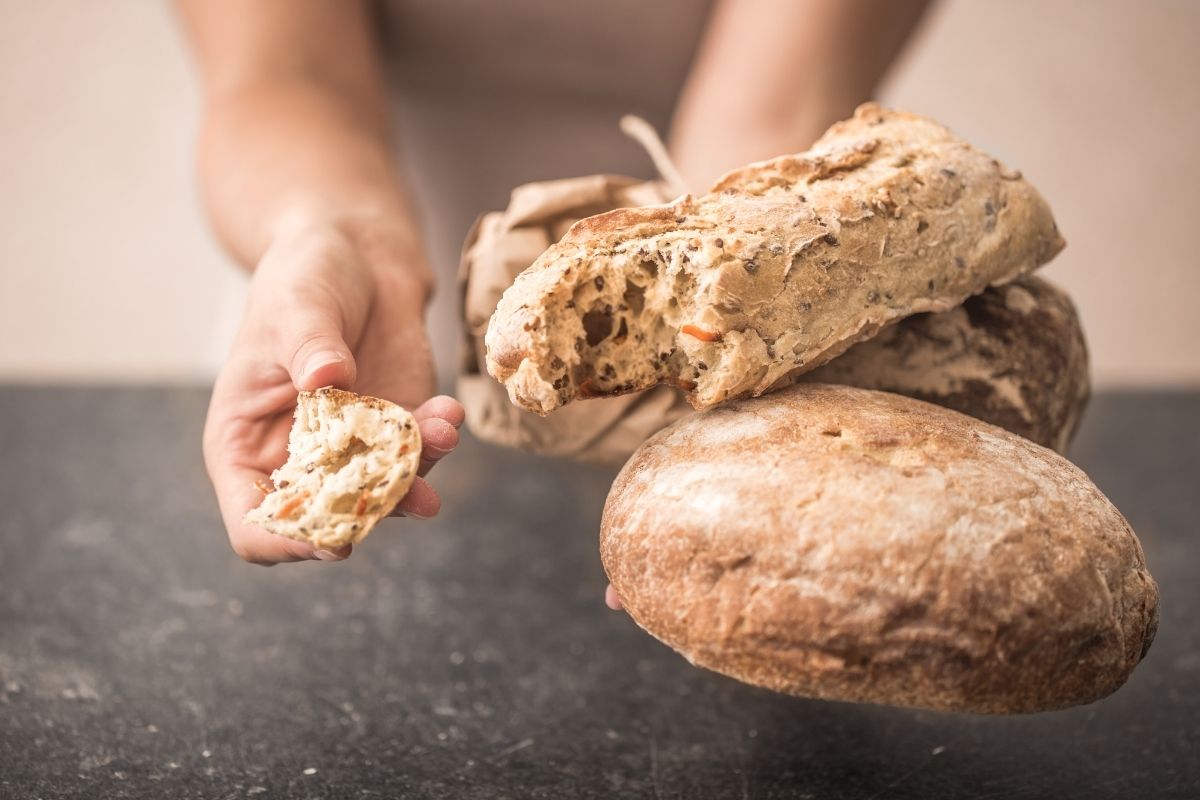
Some brands are now using plant-based L-cysteine made from fermentation: usually corn or sugar beets. It’s more expensive, though, so only a few products use it.
The safest bet? Look for “vegan,” “plant-based,” or “certified vegan” labels. Or better yet, bake your own bread at home when you can. It’s easier than it sounds, and your house will smell amazing.
If you do start baking, a bag of oat flour is worth keeping around for softer rolls, and homemade bread only lasts a few days unless it goes straight into airtight containers or the freezer. That short shelf life is the whole reason dough conditioners like L-cysteine exist in the first place. Commercial bakeries are solving a problem you do not actually have at home.
Final Thoughts
L-cysteine might seem like just another scientific-sounding food additive, but it’s worth knowing where it comes from, especially if you’re vegan or trying to eat more consciously. Check your labels, ask questions, and when in doubt, go with brands that actually tell you what’s in the bun.
If label reading is the part you find hardest, I wrote a full guide on how to read food labels like a vegan detective that covers the other additives worth knowing about.
🛒 What Helps When You Bake Your Own
- Oat flour for softer rolls without any dough conditioner doing the work.
- Airtight containers, because homemade bread goes stale in three days and freezing it is the only real fix.
- Nutritional yeast if you want savory rolls, and it adds B12 while it is at it.