
What Vegans Can’t Eat

The short version fits in one sentence: nothing that came from an animal. The long version is where it gets interesting, because a surprising amount of it hides in food you’d never suspect.

This post may contain affiliate links. See our disclosure policy for more.
For the borderline cases, the ones that look fine until you read the fine print, see our is it vegan guide to 40+ everyday foods.
Meat, dairy, eggs and fish are the obvious four. It’s the fifth category that catches everyone out, and it’s full of ingredients hiding under chemical names.
Here are the nine categories, plus the sneaky ones I got wrong in my first year. If you’re also training on a vegan diet, a few of these matter more than others.
🌱 1. Meat From Any Animal
Beef, chicken, pork, lamb, game, goat, rabbit. Nobody needs this explained, but it’s worth saying that it also covers things people mentally file elsewhere, like bacon bits on a salad and the two slices of chorizo in a paella. Here’s what goes on the plate instead.
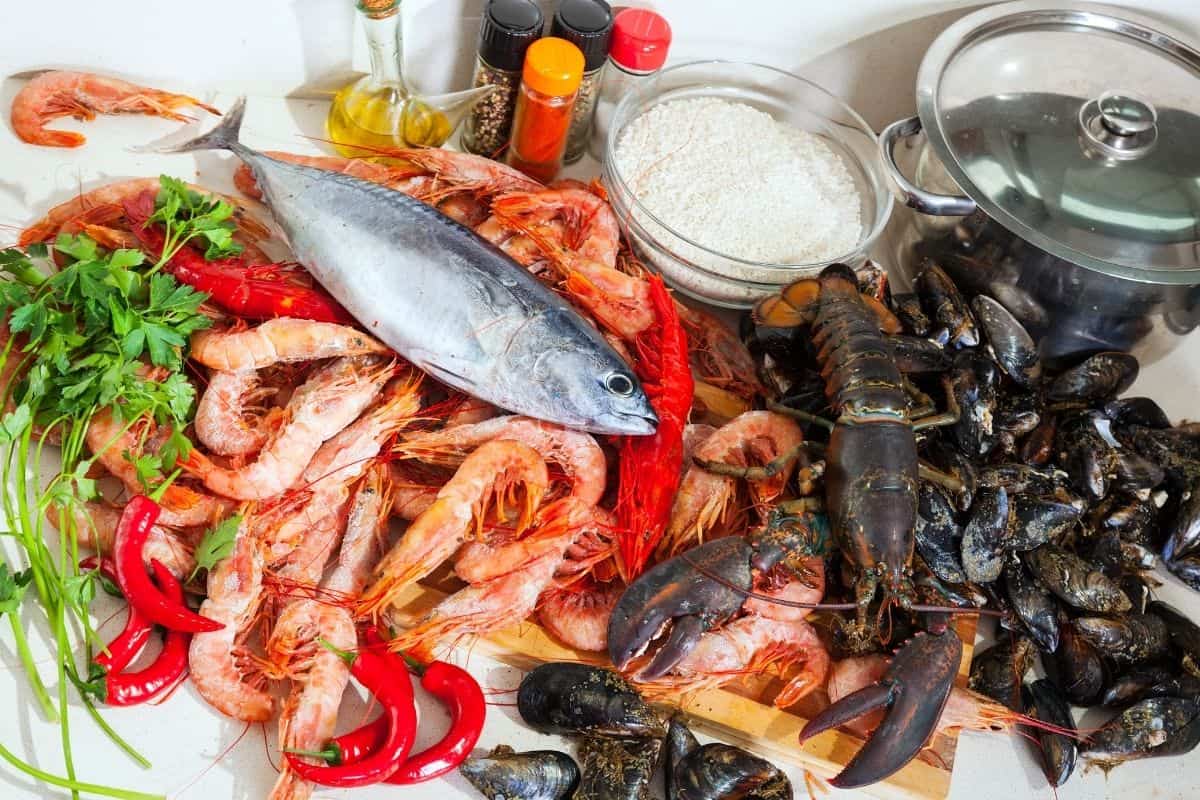
🌱 2. Fish And Seafood
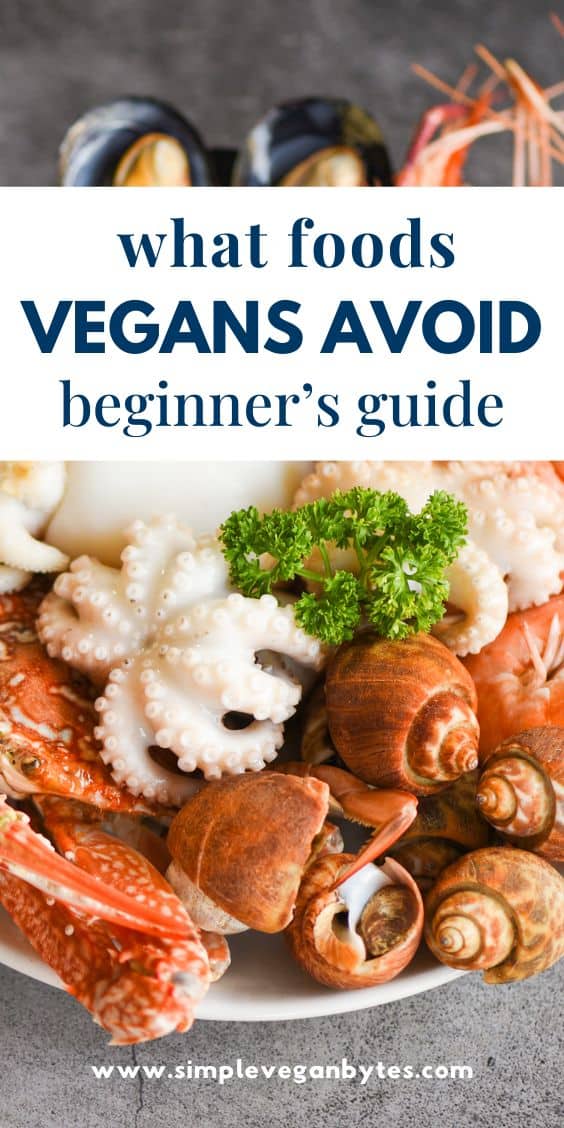
Fish, shrimp, crab, squid, clams, all of it. Watch for the ones that don’t look like seafood: fish sauce in Thai curries, anchovies in Worcestershire sauce and Caesar dressing, and oyster sauce in stir fries. Those three account for most of the accidental slips new vegans make.
🥛 3. Dairy Products
Milk, cheese, butter, cream, yogurt, and the less obvious ones: milk powder in crisps, whey in bread, ghee in curries. The swaps are the easiest part of veganism now. Oat milk for coffee, cashew milk for cooking, and a decent vegan butter for baking, which is the one swap where brand genuinely matters.
🌱 4. Eggs
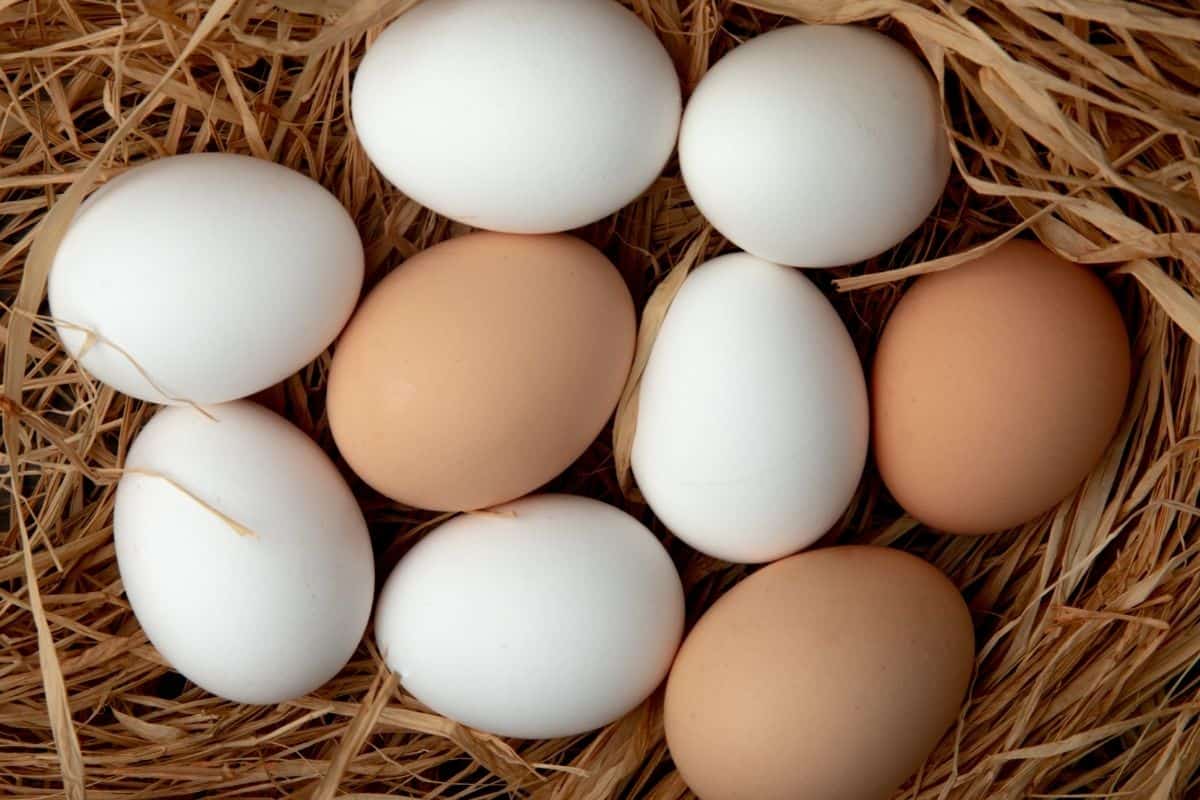
Eggs from any bird, and also the egg hiding in mayonnaise, fresh pasta, most brioche and a lot of glazed pastry. For baking, a flax egg replaces it in most recipes: one tablespoon of ground flaxseed with three tablespoons of water, left to sit for five minutes. It works for muffins and brownies and not for meringue.
🌱 5. Honey And Bee Products
Honey, beeswax, royal jelly and propolis all come from bees. This is the one some vegans argue about, and I’d rather just not. Maple syrup does everything honey does in cooking, and date syrup is better in anything where you want that darker, caramel note. Beeswax also turns up as a glaze on sweets and on some waxed fruit.
🌱 6. Gelatin And Animal-Based Additives
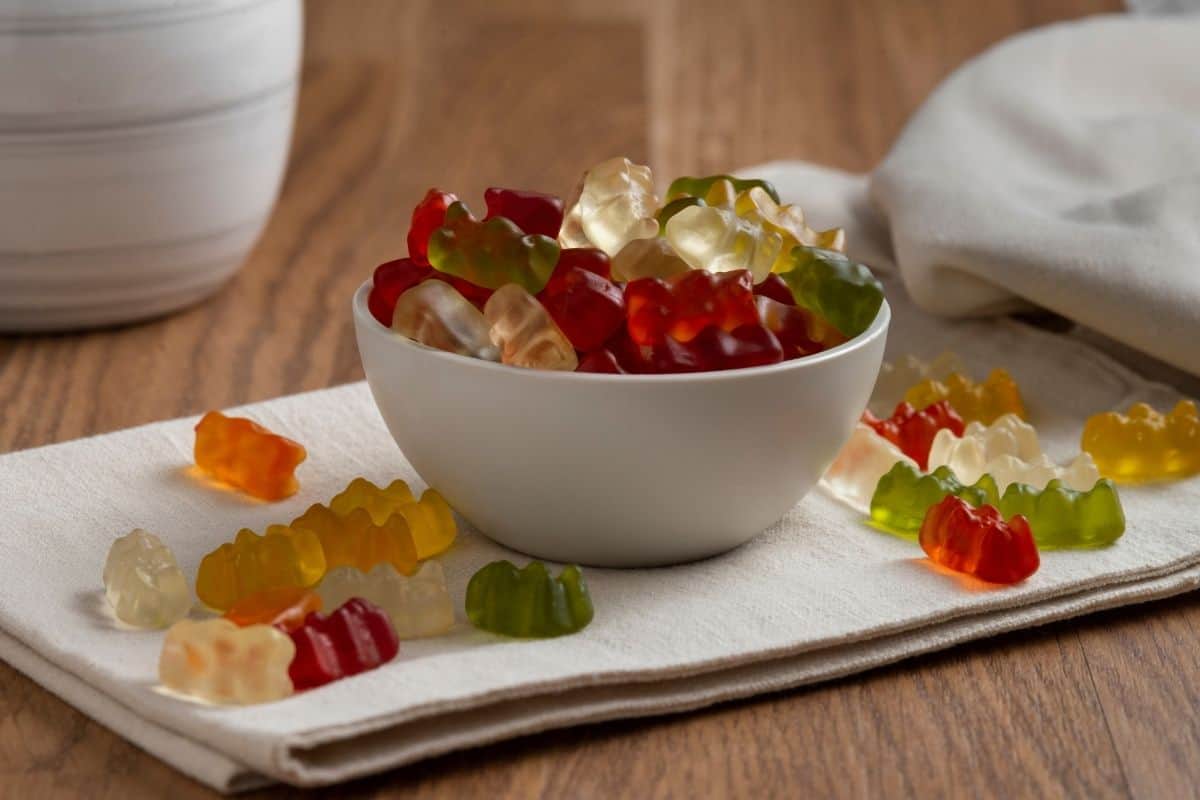
This is the category that actually requires effort. Gelatin is boiled bone and skin, and it’s in gummies, marshmallows, some yogurts and a lot of capsules. Alongside it:
- Carmine, also sold as cochineal or E120, which is crushed insects used as red dye
- Casein and caseinate, milk proteins that legally still count as non-dairy
- Isinglass, made from fish bladders and used to clarify some beers and wines
Shellac, lanolin, L-cysteine and albumin are the other four worth memorising
🚩 7. Processed Foods With Hidden Animal Ingredients
Crisps are the worst culprit. So many flavours contain milk powder, including ones with no dairy in the name at all. Bread can contain whey or L-cysteine, and pastry can contain lard.
Drinks too. Wine and beer are often filtered through isinglass or egg white, and that never appears on the label. The habit that saves the most time is reading the allergen line in bold under the ingredients rather than the ingredients themselves.
🥦 8. Non-Vegan Baked Goods
Butter, milk, eggs, and sometimes gelatin in the glaze. Croissants and brioche are always out. Plenty of dark chocolate biscuits and plain bagels are accidentally fine, which is a nicer discovery than it sounds.

🛒 9. Anything With Animal Fat Or Stock
Chicken and beef stock hide in soups, risottos, gravies and any restaurant rice you didn’t ask about. Refried beans are frequently made with lard, and so are many pie crusts and tortillas. When eating out, stock is the single most useful thing to ask about, because it’s invisible and it’s everywhere.
🚩 The Hidden Challenge: Supplements And Medications
Almost nobody checks this one. Most softgel capsules are gelatin, most vitamin D3 comes from sheep’s wool, and omega-3s usually come from fish. Look for plant cellulose or pullulan capsules and a certified vegan mark. This matters most for B12, because it’s the one supplement vegans genuinely need to take every day.
✅ Final Thoughts
Anything from an animal. Meat, fish, dairy, eggs, honey, and the additives that came from one. What nobody tells you is that after about two months you stop reading labels consciously. Your eye just finds the words. Until then, learn the allergen line habit and don’t panic about the mistakes, because everyone makes them. Here’s how I handle it when I’m eating out.
🛒 The Swaps That Replace What You Gave Up
Nine categories gone, and every one of them has a straight replacement. These are the ones I actually use.
- Oat milk: for coffee. Soy if you want the 7g of protein instead.
- Vegan butter: the one swap where brand genuinely matters for baking.
- Ground flaxseed: one tablespoon plus three of water replaces an egg in most baking.
- Maple syrup: does everything honey does in cooking.
- Date syrup: better than honey anywhere you want a darker, caramel note.
- A B12 supplement: in a plant cellulose capsule, since most softgels are gelatin.
📚 More Vegan Tips
🌟 Did you LIKE this ARTICLE?
Leave a comment below! We can’t wait to hear what you think!






can you give me some food that vegitarians cant eat because i am a vegitarian and i have a noteboo of things i cant eat as a vegitarians