How To Eat Vegan On A Budget Without Missing Nutrients
This post may contain affiliate links. See our disclosure policy for more.
Going vegan is cheap. Going vegan badly is expensive. The difference is whether your basket is full of lentils and oats or full of nine dollar vegan cheese and packaged burgers pretending to be a shortcut.
A can of beans costs about a dollar and carries 15 grams of protein and 12 grams of fiber. A protein bar costs six times that for less of both. Once you see it in those terms, the whole thing gets much simpler.

In fact, with just 5 simple habits, you can keep your meals nutritious and wallet-friendly. I’ve been eating this way for years, and these tips have saved me hundreds of dollars while still keeping my energy high and my meals delicious.
Here’s exactly how to eat vegan on a budget, without skimping on key nutrients.
1. Choose Whole Foods Over Packaged Ones

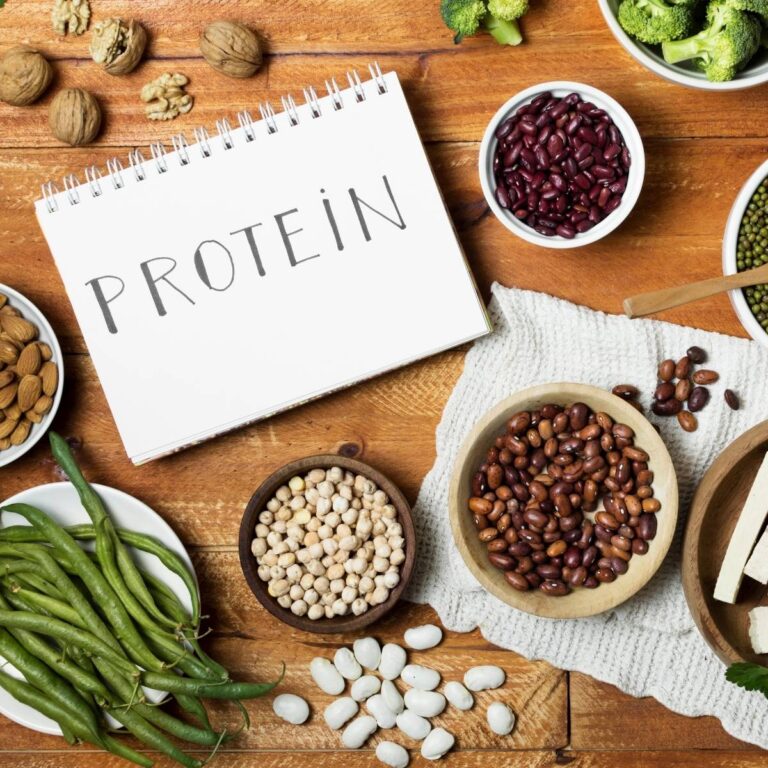
The first rule of budget-friendly vegan eating? Stick to the basics. Think oats, beans, lentils, brown rice, pasta, and seasonal fruits and veggies. These are not only cheaper but way more nutritious than heavily processed vegan snacks and frozen meals.
A can of beans = protein, iron, and fiber for under a dollar.
A pound of oats = breakfast for a week.
A bag of brown rice = endless bowls and stir-fries.
These staples are often richer in nutrients than those $6 protein bars trying to be “healthy.”
2. Buy In Bulk and Store Smart

Buying in bulk is one of the easiest ways to save money long-term. Stock up on dry staples like:
- Lentils
- Chickpeas
- Rolled oats
- Quinoa
- Whole wheat flour
- Nuts and seeds (when on sale)
You can portion things out into jars or freezer bags for longer storage. I store extra cooked beans or grains in the freezer too, ready in 5 minutes when I need a fast dinner.
3. Master 5 Budget-Friendly Meals
I recommend creating a “rotation” of 5 go-to meals using affordable, nutrient-rich ingredients. Here’s what’s in mine:
- Lentil and veggie soup
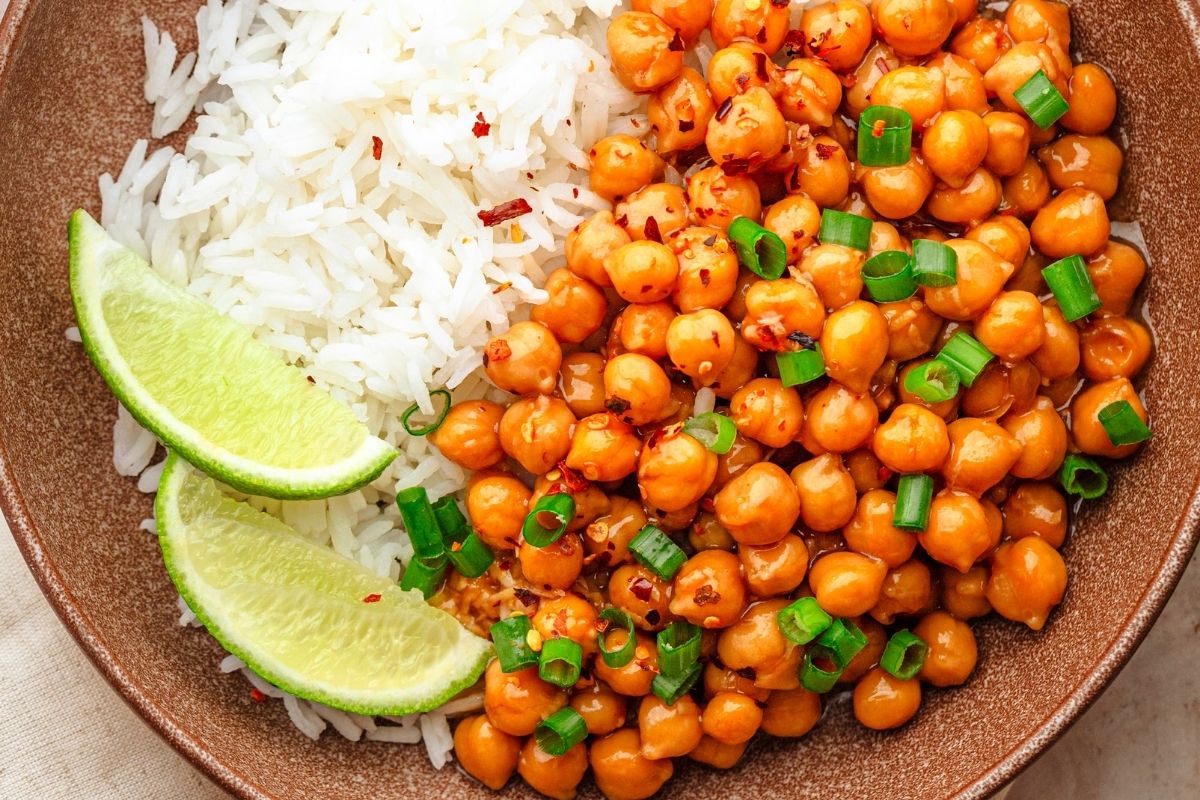
- Chickpea curry with rice
- Baked sweet potatoes with black beans and salsa
- Pasta with sautéed kale and white beans
- Tofu stir fry with frozen veggies
These are high in protein, rich in fiber, and super adaptable. Once you learn the basics, you can swap in whatever’s on sale that week.
4. Focus on 6 Nutrients Vegans Need Most

Saving money is great, but you don’t want to miss out on key nutrients. Here are 6 essentials every vegan should prioritize:
- Protein: lentils, beans, tofu, tempeh, edamame, quinoa
- Iron: chickpeas, lentils, pumpkin seeds, spinach
- Calcium: fortified plant milks, tahini, collards, tofu
- B12: supplement or fortified foods (like nutritional yeast)
- Omega-3s: chia seeds, flaxseeds, walnuts
- Vitamin D: sunlight + fortified plant milk or D2/D3 supplement
Tip: Track your meals for a week to see if you’re missing anything. You’ll be surprised how much you’re already getting from simple meals.
5. Make Friends With Frozen and Canned Foods
Frozen veggies and canned beans are total lifesavers. They’re often cheaper than fresh, last longer, and still pack in the nutrients.
Some of my weekly faves:
- Frozen spinach (for smoothies and soups)
- Frozen broccoli and mixed veggies (for stir fries and bowls)
- Canned tomatoes (for chili, stews, and pasta sauce)
- Canned chickpeas (I use these in everything)
Don’t worry, they’re just as healthy. Sometimes even more, since they’re frozen at peak freshness.
Bonus: Use A Budget Grocery List

A simple vegan shopping list can keep you from overbuying and help you cut food waste. Start with this core list, and build meals from there:
- Dry staples: oats, rice, pasta, lentils, beans
- Fresh: carrots, onions, potatoes, bananas, apples
- Frozen: spinach, broccoli, berries
- Pantry: peanut butter, canned tomatoes, chickpeas
- Optional: tofu, nutritional yeast, plant milk
Stick to what you actually use. Over time, you’ll know your rhythm, and your total at checkout will drop too.
The Bottom Line
Yes, you can eat vegan on a tight budget, and you won’t miss out on nutrients if you plan smart. Whole foods, a little bulk-buying, and some strategic pantry staples are all it takes. Focus on 5 or 6 simple, nutrient-packed meals, and you’ll stay full, energized, and thriving.