Hidden Non-Vegan Ingredients: Sugar, Bread, Wine, Natural Flavor and Lemons
Some foods are sneaky. Not “read the label and you’ll catch it” sneaky. I mean the label literally cannot tell you. 😳
A bag of sugar. A loaf of bread. A bottle of wine. A lemon. All things you’d assume are automatically plant based.
Most of the time they are. Here’s exactly when they’re not, and what to grab instead so you never have to think about it again.
⚡ The Short Version
- Sugar. Some US cane sugar is whitened with bone char.
- Bread. Soft commercial loaves often use L-cysteine from feathers.
- Wine and beer. Often clarified with fish bladder, gelatin, or egg white.
- “Natural flavor.” Legally allowed to come from an animal.
- Lemons. The fruit is fine. The wax on the peel might not be.
None of these appear on an ingredient list. That’s what makes them annoying.


🍬 Sugar And The Bone Char Problem
Here’s the one that shocked me most when I found out.
Some sugar refineries in the United States use bone char to whiten cane sugar. Bone char is exactly what it sounds like. Charred animal bones, used as a filter.
The bone char doesn’t end up in the sugar itself, which is why plenty of vegans shrug it off. Plenty of others would rather not fund it. Both positions are reasonable, and it’s genuinely your call.
If you want certainty, you have three easy outs:
- Beet sugar. Never processed this way. Bone char filtering is a cane sugar thing only.
- Organic cane sugar. Organic certification bans the bone char method outright.
- Coconut sugar or maple syrup. Different flavor, zero refining question, and both work beautifully in baking.
One more thing worth knowing: this is almost entirely a US issue. Most other countries don’t refine sugar this way at all.

🍞 Bread And The Feather Situation
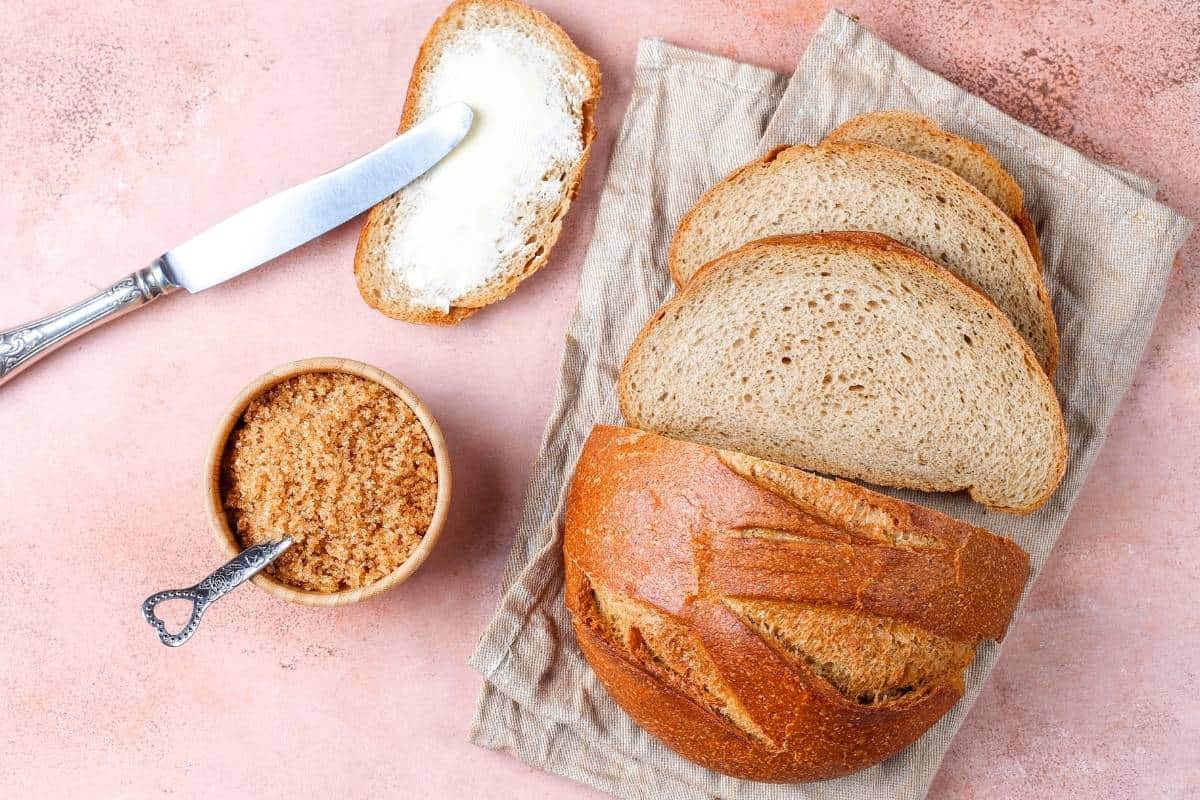
A basic loaf is flour, water, yeast, and salt. Completely vegan, completely boring, completely fine.
Soft commercial bread is the problem. That pillowy supermarket texture often comes from L-cysteine, sometimes listed as E920. It’s a dough conditioner, and it’s most commonly derived from duck feathers or, less often, human hair.
I’ll give you a second with that one. 🪶
A synthetic version does exist, but the label won’t tell you which one you’re getting.
Bread can also fail on the obvious stuff:
- Butter and milk in enriched and “extra soft” loaves.
- Eggs in challah, brioche, and egg washed bagels. If the crust is glossy, be suspicious.
- Honey in a lot of “honey wheat” varieties.
The easy fix: artisan bread and real sourdough are almost always vegan, and they taste better anyway. Most plain supermarket sandwich loaves in the US are fine too. Check anything that says enriched, extra soft, or has a shiny top.
I went deeper on this one in the things I didn’t know weren’t vegan, which is a slightly embarrassing read for me.
🍷 Wine And Beer Are Clarified With What Now
Fish bladders. I’m so sorry.
Wine and beer are often clarified, or “fined,” to make them look clear instead of cloudy. The agents used for this include:
- Isinglass. Made from fish bladder. Very common in beer.
- Gelatin. From animal skin and bones.
- Casein. A milk protein.
- Egg white. Common in red wine.
These get filtered out before bottling, but traces can remain. And here’s the frustrating part: none of it appears on the label, because alcohol isn’t required to list ingredients in most countries.
So there is genuinely no way to tell from the bottle.
The fix is free and takes ten seconds. Barnivore.com keeps a searchable database of tens of thousands of wines, beers, and spirits, built from writing to the producers directly. Search the bottle before you buy it. That’s the whole system.
Good news to end on: spirits are almost always vegan. Vodka, gin, whiskey, tequila, all fine. Cream liqueurs are the obvious exception. 🥃

Photo by Pavel D from Pexels
🧪 “Natural Flavor” Is A Legal Loophole
In the US, “natural flavor” can legally come from a plant or an animal. The label doesn’t have to say which.
The famous example is castoreum, a compound from beaver glands that was once used to mimic vanilla and raspberry. Yes, really. No, it’s not in your ice cream.
It’s now so rare and so expensive to source that modern use is basically nothing. It has just never been formally banned, which is why the internet keeps bringing it up.
In practice: the vast majority of “natural flavor” in chips, sodas, and snacks is plant derived. Most vegans don’t treat the phrase alone as a red flag on an otherwise plant based product, and I don’t either.
If certainty matters to you, emailing the manufacturer is the only reliable path. They get this question constantly and usually answer fast.
🍋 Lemons And The Wax On Your Produce
This one only matters if you zest.
Citrus, apples, and cucumbers are often coated in a wax to extend shelf life. That wax can be shellac, a resin secreted by the lac beetle, or occasionally beeswax.
The fruit inside is 100% plant based. Always. The coating is the only question, and it only reaches your plate if you’re grating the peel into something.
The workaround: organic produce is never coated in shellac based wax. If you zest lemons a lot, buy organic ones and stop thinking about it. If you just squeeze them, you were never affected in the first place.
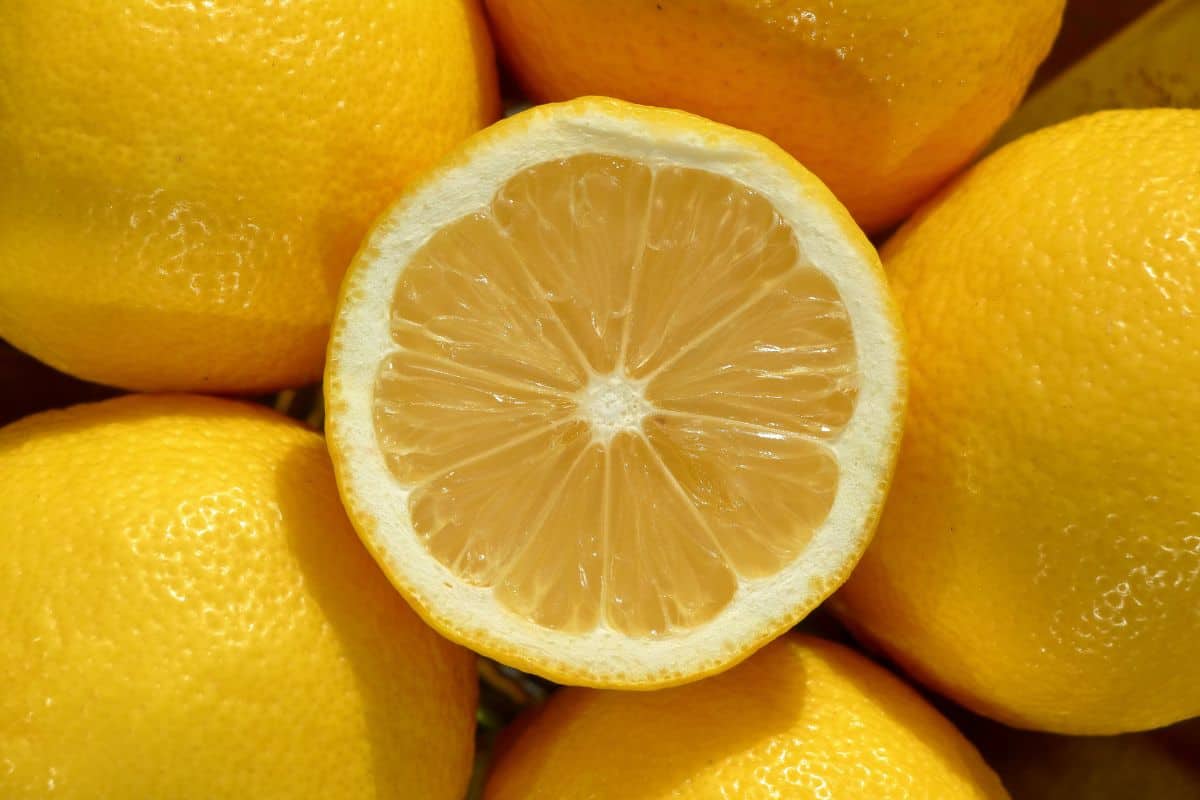
Photo by Mustafa A from Pexels
🛒 What I Buy So I Don’t Have To Think About It
I’m not checking a sugar bag every week. I just bought the boring versions once and moved on:
- Organic cane sugar or beet sugar. Solves the bone char question permanently.
- Coconut sugar for anything where a caramel note is welcome.
- Maple syrup as my default honey replacement in dressings, marinades, and baking.
- Organic lemons if zest is in the recipe.
- Sourdough or a plain artisan loaf instead of the squishy sandwich bread.
That’s five decisions you make once. See my favorite vegan pantry essentials for the rest of my shelf.
✅ The Shortcut For All Five
None of these are catchable the way gelatin in a gummy bear is catchable.
Bone char, dough conditioners, and wine fining agents are all processing aids, which legally don’t have to appear on a label at all.
So if any of these matter enough to you to need certainty, you’ve got two tools:
- Buy organic. Organic certification bans several of these methods outright.
- Ask the manufacturer. Or search Barnivore for anything alcoholic.
And please don’t spiral about this. You’ll drive yourself up a wall trying to be 100% certain about a processing aid that legally doesn’t exist on paper. Progress over perfection, every single time. 💚
❓ Common Questions
Is Brown Sugar Vegan?
Same answer as white sugar. Brown sugar is usually refined white cane sugar with molasses added back in, so if the cane sugar went through bone char, so did the brown version. Organic brown sugar sidesteps it.
How Do I Know If My Bread Has L-Cysteine?
Look for “L-cysteine” or “E920” on the ingredient list. If it’s there, the label still won’t say whether it’s the feather version or the synthetic one. Sourdough and artisan loaves skip it entirely.
Are All Spirits Vegan?
Almost all of them. Vodka, gin, whiskey, rum, and tequila are distilled, which skips the fining step. Cream liqueurs like Baileys contain dairy, and a handful of flavored spirits use honey.
Does Any Of This Actually Matter?
That depends on you, and both answers are valid. Nothing on this list puts an animal ingredient in your food. What it does is put animal products in the supply chain. Some vegans avoid all five, some avoid none. Pick your line and stop apologizing for it.
📚 Keep Reading
- Is It Vegan? An A to Z Guide to 40+ Everyday Foods
- Is Pasta Vegan? Plus Every Other Pantry Staple, Checked
- Are These Snacks Actually Vegan?
- Casein, Rennet and Albumin: The Dairy-Free Minefield
- 7 Vegan Label Mistakes I Made and What I Learned