Casein, Rennet And Albumin: The Dairy-Free Minefield You Didn’t Know Existed
This post may contain affiliate links. See our disclosure policy for more.
A product can legally say non-dairy on the front and still contain milk protein. That’s not a loophole someone found, it’s how the labelling rules are actually written.
The three to learn are casein, rennet and albumin. They read like chemistry homework and they turn up in protein bars, cheese, baked goods, coffee creamer and sweets.
Once you know the words, you spot them in about two seconds. Before that, they’re invisible.


💪 1. Casein Is A Milk Protein That Loves To Hide
Casein is the main protein in milk, and it’s added to things specifically because it does something no plant ingredient does as well: it makes food stretch, melt and go creamy. That’s why it keeps showing up in products that otherwise look vegan.
- Creamers
- Protein powders and bars, where it’s added for texture
- Non-dairy cheese, especially the kind that melts convincingly
I got caught by this one. Bought a plant-based cheese for taco night, ate the whole packet, read the label properly a week later. It had sodium caseinate in it.
The names to watch for are calcium caseinate, sodium caseinate and just plain caseinate. All milk. If you want a safe grating cheese, a cashew based parmesan has no reason to contain any of it.
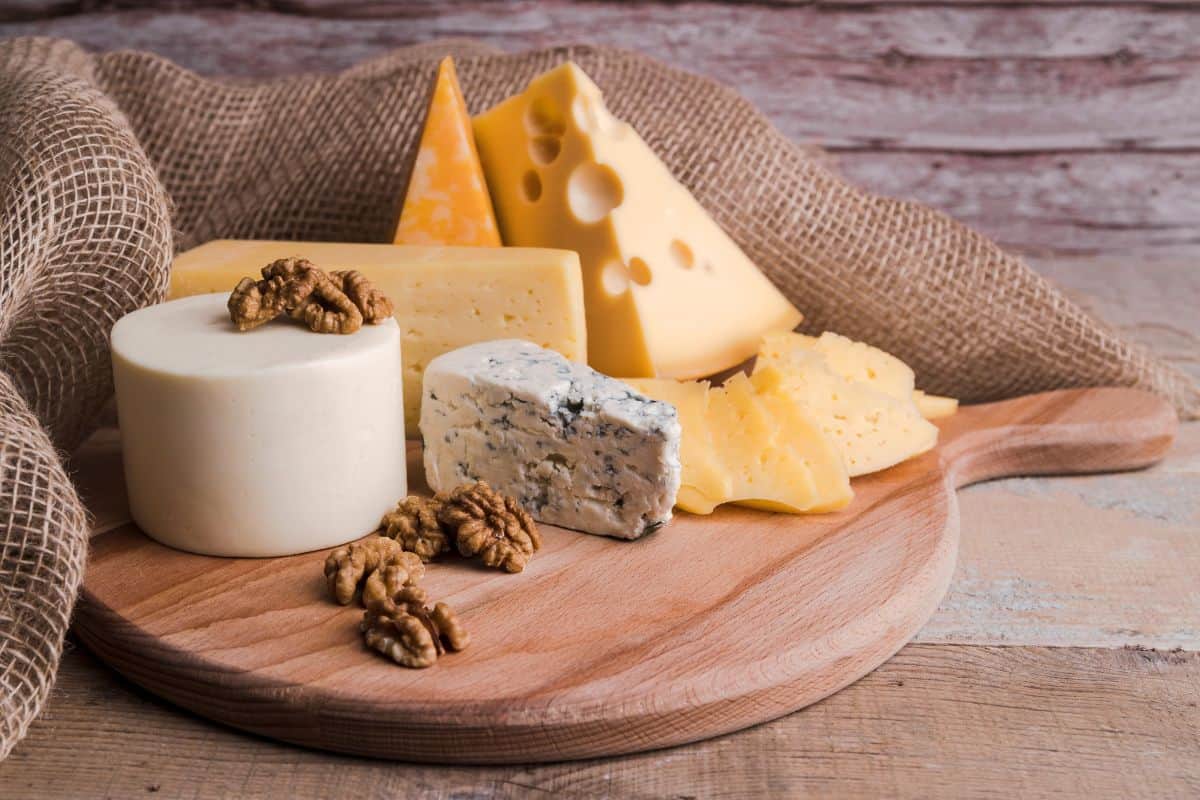
🧀 2. Rennet Is In Cheese, And It Often Comes From A Calf’s Stomach
Rennet is what turns milk into curds. Traditionally it comes from the stomach lining of a calf, which is exactly as grim as it sounds and is why parmesan has never been vegetarian.
Vegetarian on the label usually does mean microbial rennet, but it isn’t guaranteed everywhere, and it tells you nothing about the milk itself. Unless it says microbial or vegetable rennet, assume animal.

This one mostly matters if you’re vegetarian rather than vegan, since vegans are skipping the dairy anyway. Worth knowing when someone tells you their cheese is fine because it’s vegetarian.
🥛 3. Albumin Sounds Harmless But Comes From Eggs Or Milk
Albumin is the tricky one because it comes from two places. Lactalbumin is from milk and ovalbumin is from egg whites. It’s used for shine, structure and foam, so it hides in glazed baked goods, whipped toppings, meringues and some wines.
Marshmallows are the classic trap. Most contain gelatin, and some also contain albumin for the foam. Vegan marshmallows do exist and they toast perfectly well, they’re just never the ones already in the cupboard.
Egg-free on a label covers ovalbumin but says nothing about lactalbumin, so it only solves half of it. Certified vegan covers both. If you’re buying protein powder specifically, check it there first, because it’s one of the most common places albumin and casein both turn up.
🥛 Bonus Tip: “Non-Dairy” Doesn’t Always Mean “Dairy-Free”
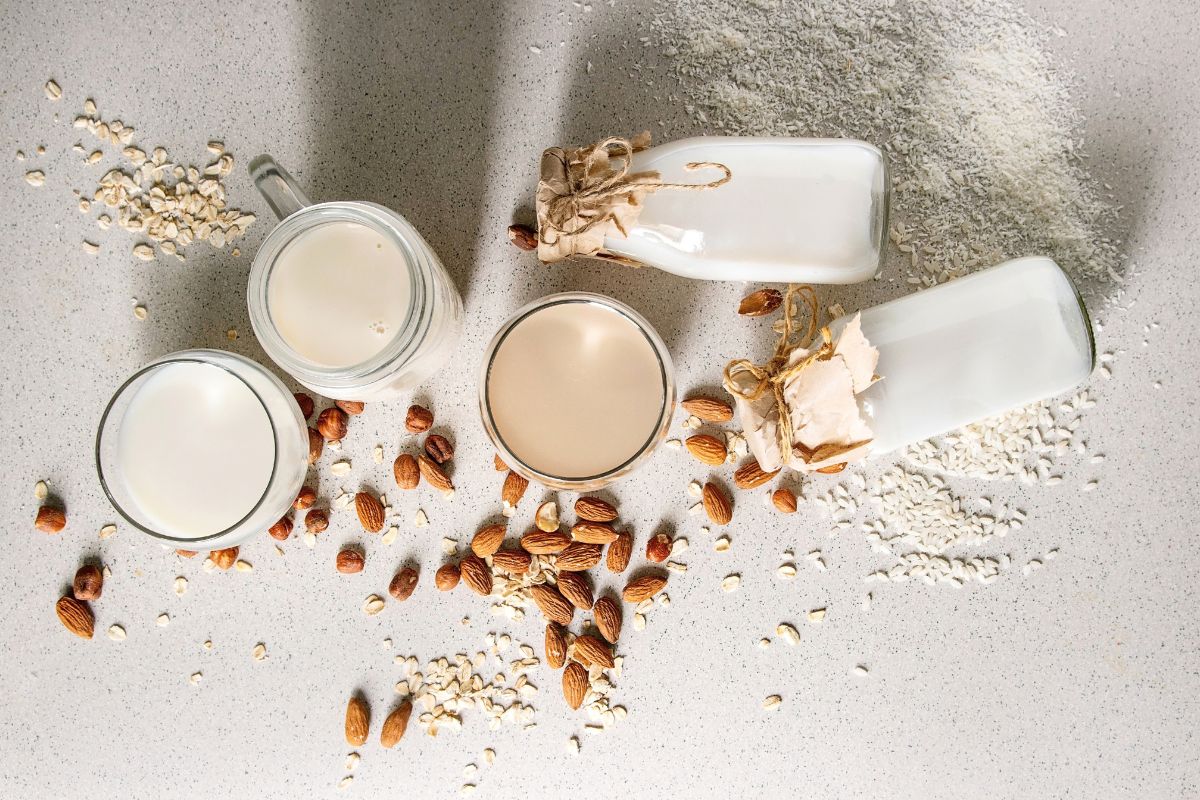
This is the part that catches everybody. Non-dairy is a marketing term with a narrow legal meaning, and it does not mean free of milk protein. Coffee creamer is the worst offender by far. If you want something reliable, an actual oat milk sidesteps the whole problem.
Dairy-free is the stronger claim. Non-dairy is close to meaningless. Those two phrases sound identical and are not.
✅ The Bottom Line
The obvious dairy is easy. It’s the three hidden ones that get you, and they get everybody at some point.
Learn caseinate, rennet, lactalbumin and ovalbumin, and read the allergen line in bold underneath the ingredients rather than the ingredients themselves. It’s faster and it’s legally required to be accurate. When you can’t be bothered with any of that, certified vegan does the work for you.
🛒 The Safe Swaps For Hidden Dairy
Casein, rennet and albumin are hardest to dodge in four specific products. These are the ones I trust.
- Oat milk: coffee creamer is the single worst offender for hidden casein. This sidesteps it.
- Cashew parmesan: no reason for it to contain caseinate, unlike most melting vegan cheeses.
- Vegan protein powder: protein powders are where casein and albumin both turn up most often.
- Vegan butter: for baking, where whey and lactose hide in the own-brand spreads.
- Nutritional yeast: the cheesy flavour without going near the dairy aisle.