
Vegan But Always Tired? These Nutrient Gaps Might Be To Blame

This post may contain affiliate links. See our disclosure policy for more.
You’ve gone vegan, you’re eating your veggies, drinking your smoothies… but you’re still exhausted. Sound familiar?

You’re not alone. In fact, 7 out of 10 new vegans report feeling low energy or fatigue within their first few months. And while going plant-based is a powerful way to support your health, it’s easy to miss key nutrients if you’re not careful.
Here are 6 common nutrient gaps that could be stealing your energy, and how to fix them with simple food swaps or supplements.
1. Vitamin B12

This one tops the list for a reason. B12 plays a major role in keeping your nervous system and red blood cells functioning properly. A lack of it can lead to brain fog, mood swings, and deep fatigue.
Since B12 is found naturally in animal products, vegans need to rely on:
- Fortified foods like plant milks or nutritional yeast
- A quality B12 supplement (look for methylcobalamin or cyanocobalamin)
Pro tip: Aim for at least 2.4 mcg daily, but higher doses are often recommended for full absorption.
2. Iron

Iron helps carry oxygen throughout your body, so if you’re low, your cells aren’t getting the fuel they need. That’s when fatigue, dizziness, and shortness of breath kick in.
Plant-based iron (non-heme) isn’t absorbed as well as animal-based (heme), but you can boost your intake with:
- Lentils, tofu, chickpeas, pumpkin seeds, quinoa
- Cooking with cast iron pans
- Pairing iron-rich foods with vitamin C (like lemon juice or bell peppers) to enhance absorption
Warning: Don’t supplement iron without checking your levels. It can build up and become toxic.
3. Omega-3 Fatty Acids
These healthy fats help fight inflammation and support brain function. Without enough, you might feel mentally foggy, irritable, or sluggish.
Because most omega-3s come from fish, vegans should focus on:
- Flaxseeds
- Chia seeds
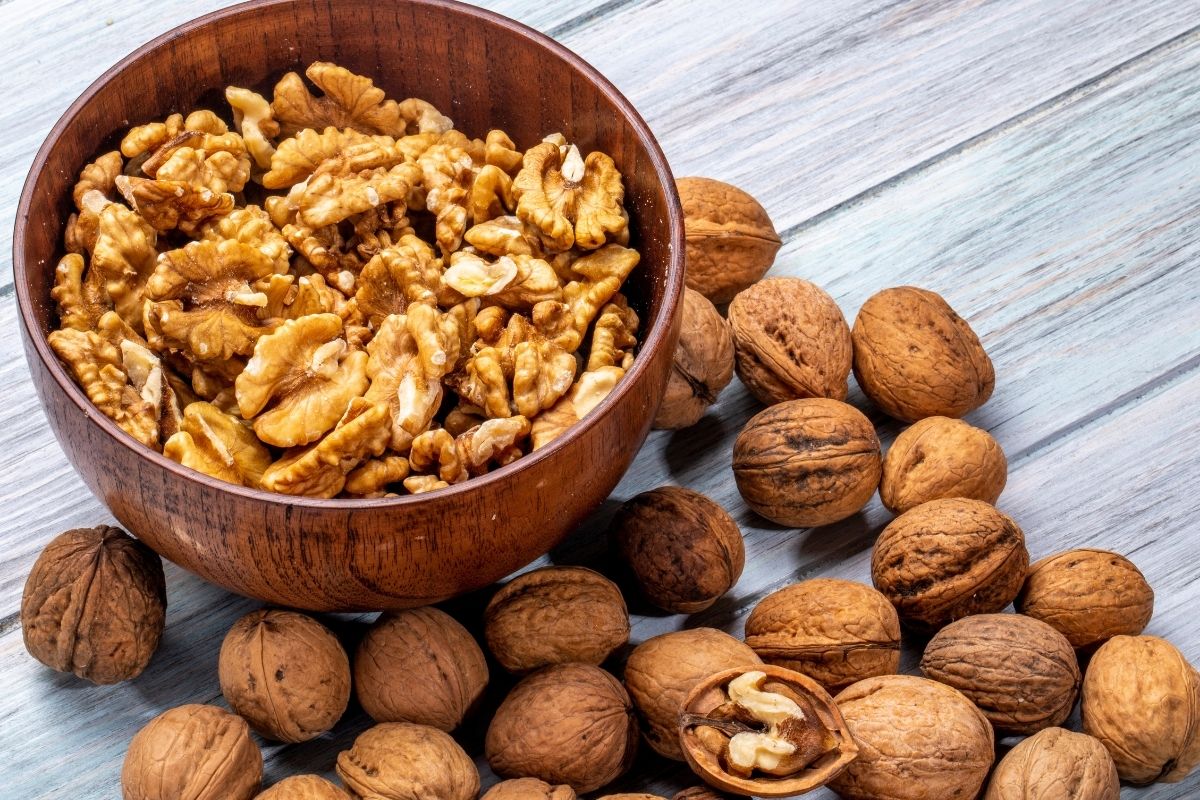
- Walnuts
- Algal oil (a plant-based supplement with DHA and EPA)
Fun fact: Just 1 tablespoon of ground flaxseed a day covers your ALA needs, but DHA from algae is still essential for long-term brain health.
4. Vitamin D

You can eat all the kale in the world and still feel tired if your vitamin D is low. This sunshine vitamin helps regulate mood, immune function, and energy metabolism.
But here’s the problem: over 40% of adults are deficient, vegan or not.
Get it from:
- Safe sun exposure (10 to 20 minutes a few times per week)
- Fortified milks or cereals
- A D2 or vegan D3 supplement (especially in winter)
Bonus tip: Pair your D supplement with fat for better absorption.
5. Zinc
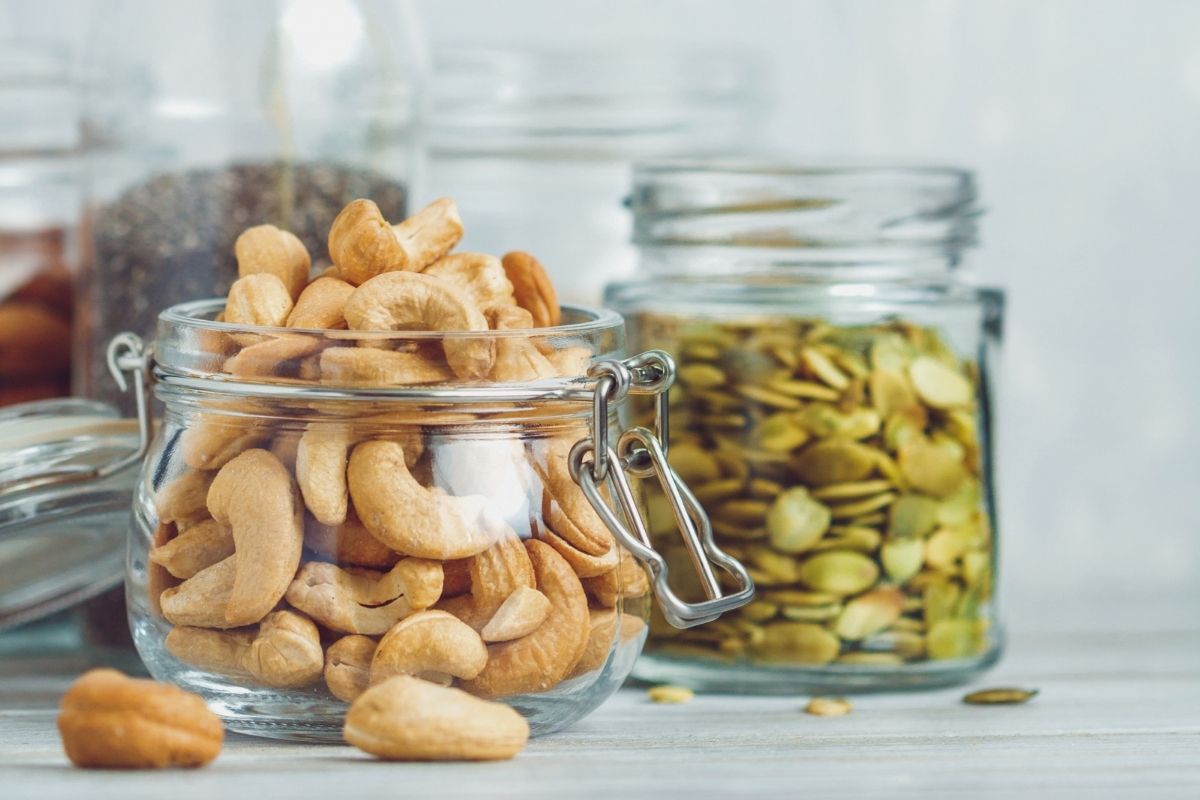
Even a mild zinc deficiency can leave you feeling worn out and mentally foggy.
Vegans can be at risk because zinc from plants isn’t as bioavailable, but good sources include:
- Pumpkin seeds
- Cashews
- Chickpeas
- Whole grains
If you’re getting frequent colds, slow wound healing, or poor appetite, consider asking your doctor about testing zinc levels.
6. Iodine
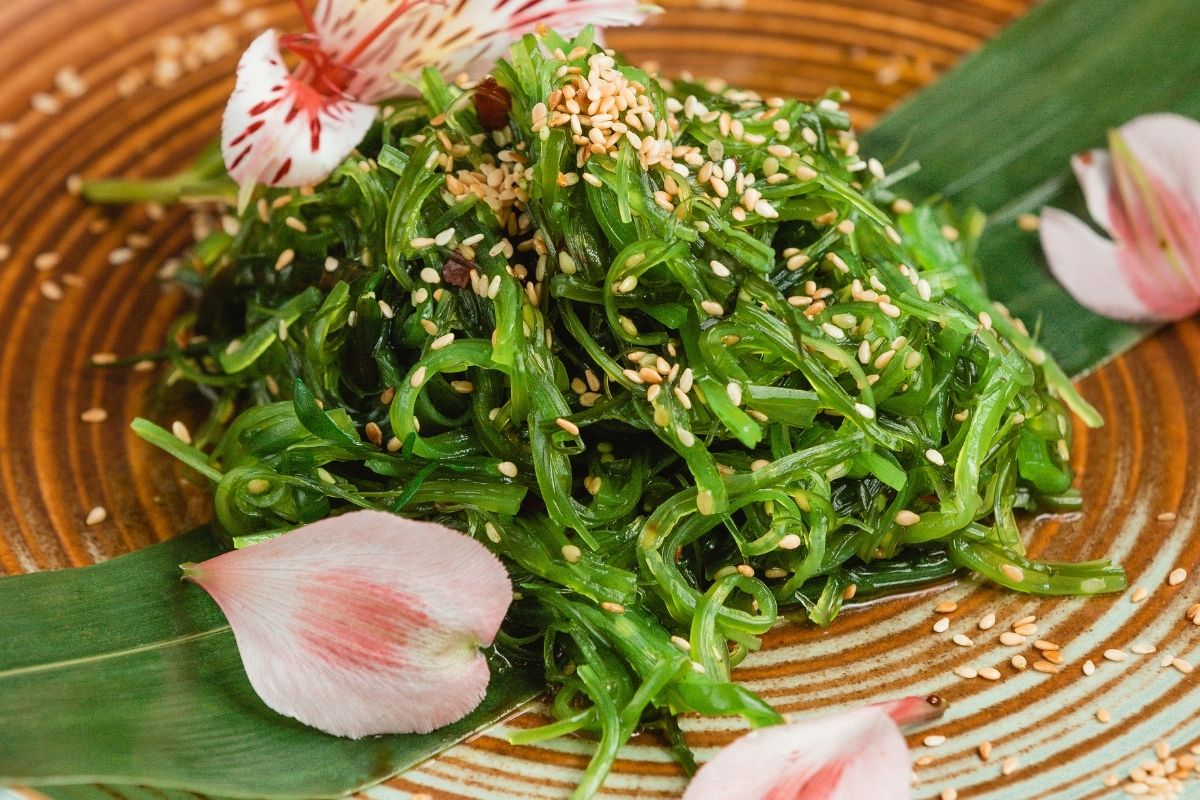
Low iodine = low thyroid function = low energy. It’s that simple.
Most people get iodine from iodized salt or seafood. Vegans who skip those can fall short.
Here’s how to get it without the fish:
- Use iodized salt (check the label!)
- Eat seaweed (like nori or dulse) a few times a week
- Try an iodine supplement if needed (but don’t go overboard)
Did you know? Just 1/4 teaspoon of iodized salt per day can meet your needs.
The Bottom Line
If you’re eating a balanced vegan diet but still dragging through the day, don’t ignore the signs. Even one nutrient gap can leave you feeling like you’ve hit a wall.
But here’s the good news, every single one of these can be corrected with the right foods or a smart supplement strategy.
Feeling tired doesn’t mean veganism isn’t working for you. It just means your body is asking for backup.
Suggested Readings:
- Are You Getting Enough B12 As A Vegan? Here’s How To Tell
- What Every Vegan Needs To Know About Omega-3s
- Easy 3-Day Vegan Meal Plan For Beginners