Mushrooms 101: How to Cook Them So They Actually Brown

This post may contain affiliate links. See our disclosure policy for more.
Mushrooms are one of the best tools a vegan kitchen has for real savory depth, the kind of flavor people usually associate with meat. Get the cooking method right and they go from watery and sad to genuinely rich.
Here is how to pick the right variety, cook them so they actually brown, and use them for umami instead of as a side thought.

In this post, you’ll learn:
- which variety to use for which dish
- the one mistake that keeps mushrooms from browning
- how to clean them the right way (it is not what you think)
- how to use mushrooms as a genuine meat substitute
- real recipes to put them in tonight
Why Mushrooms Matter in Vegan Cooking
Mushrooms are naturally rich in glutamates, the same compound behind the savory taste in meat, soy sauce, and parmesan. Cooked properly, they bring a genuinely meaty, savory quality to a dish rather than tasting like a vegetable standing in for meat.


Which Variety to Use
Cremini and White Button
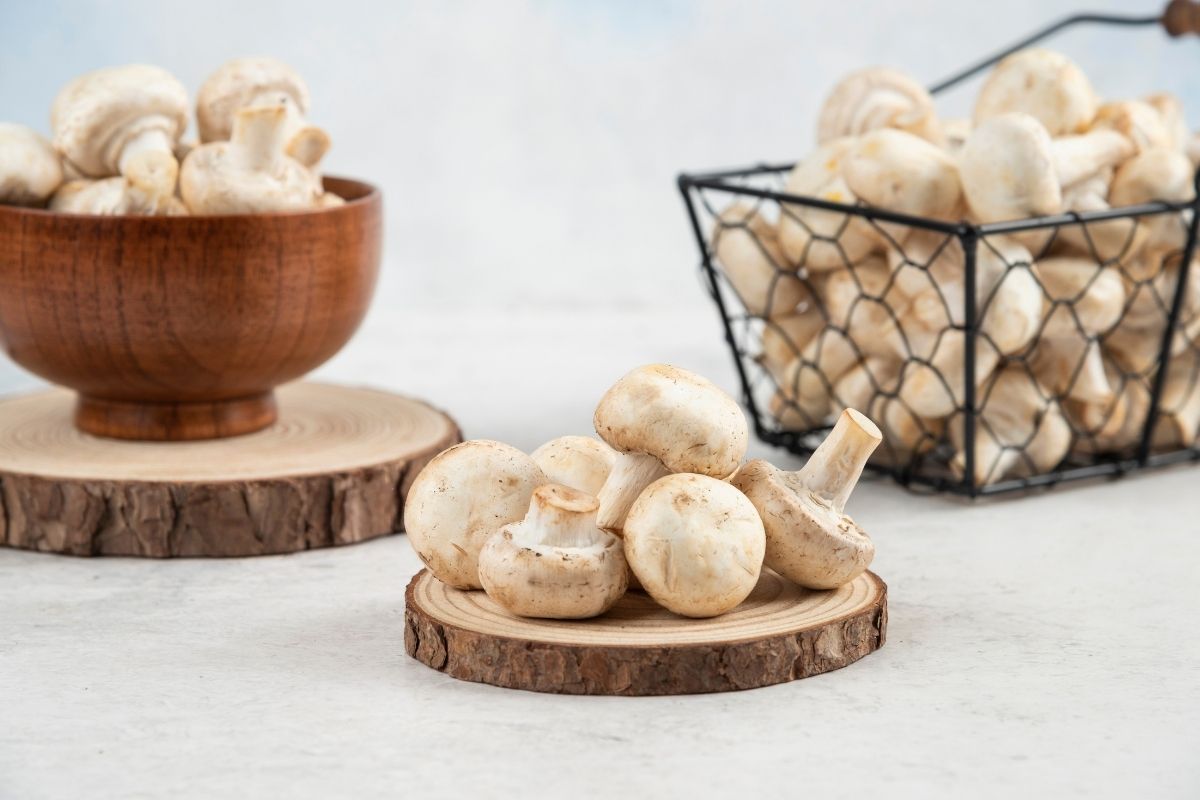
The most common and most affordable. Cremini have a slightly deeper flavor than white button, and either works in a stir-fry, pasta sauce, or as a simple sauteed side.
Portobello
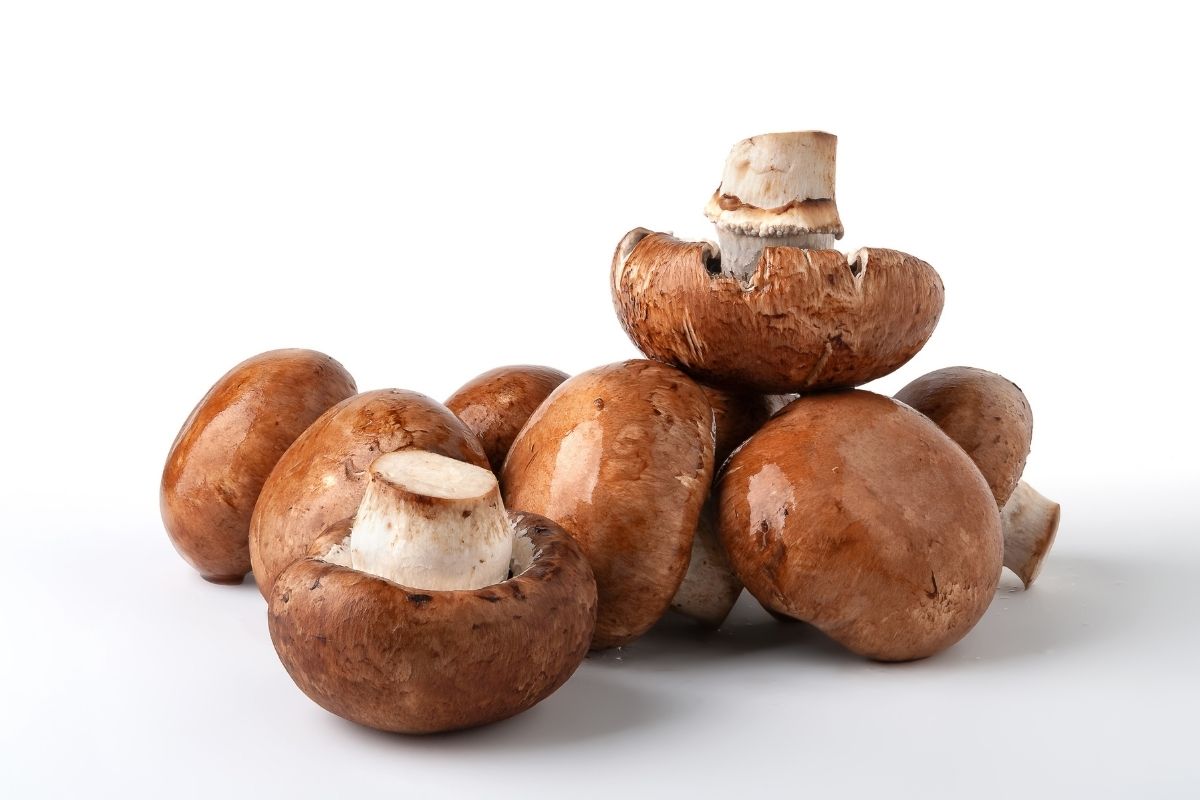
A fully mature cremini with a wide, meaty cap. Good grilled or roasted whole as a burger stand-in, or stuffed and baked.
Shiitake
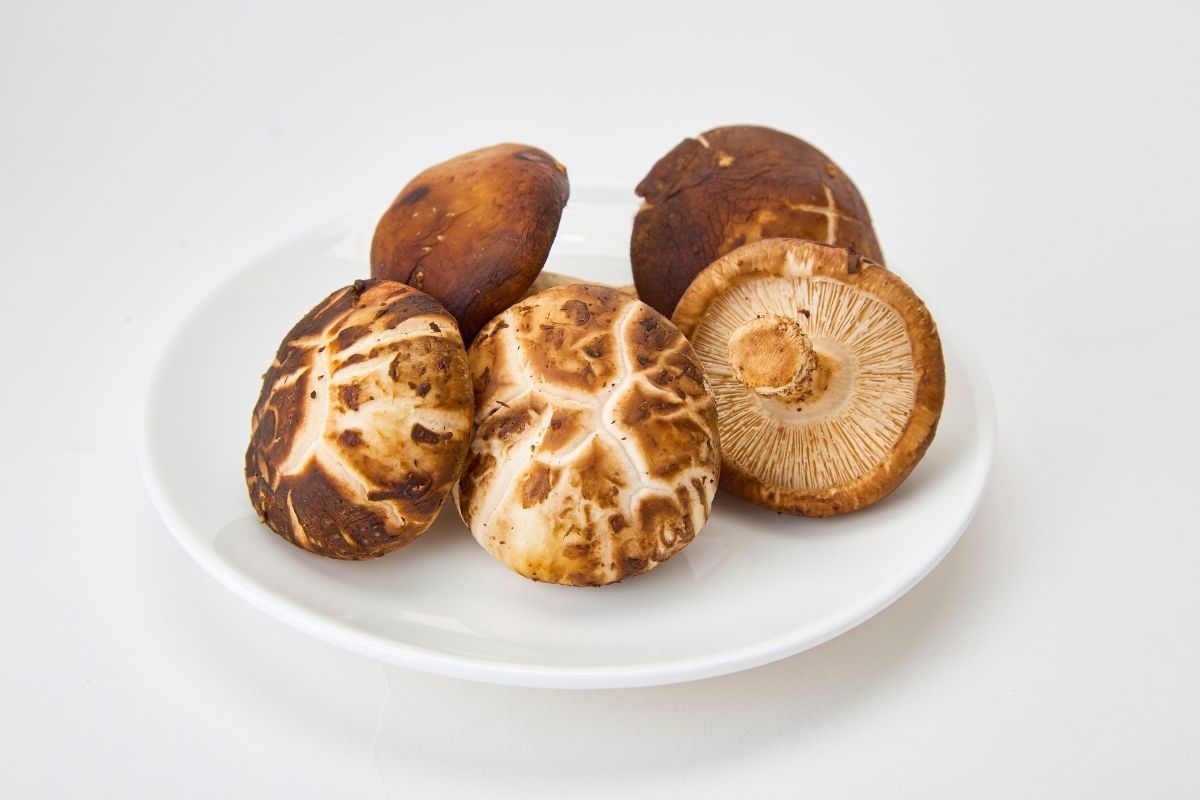
More flavor and a firmer, chewier bite than button mushrooms. Good in a stir-fry or ramen. The stems are tough, save them for stock rather than eating them.
Oyster
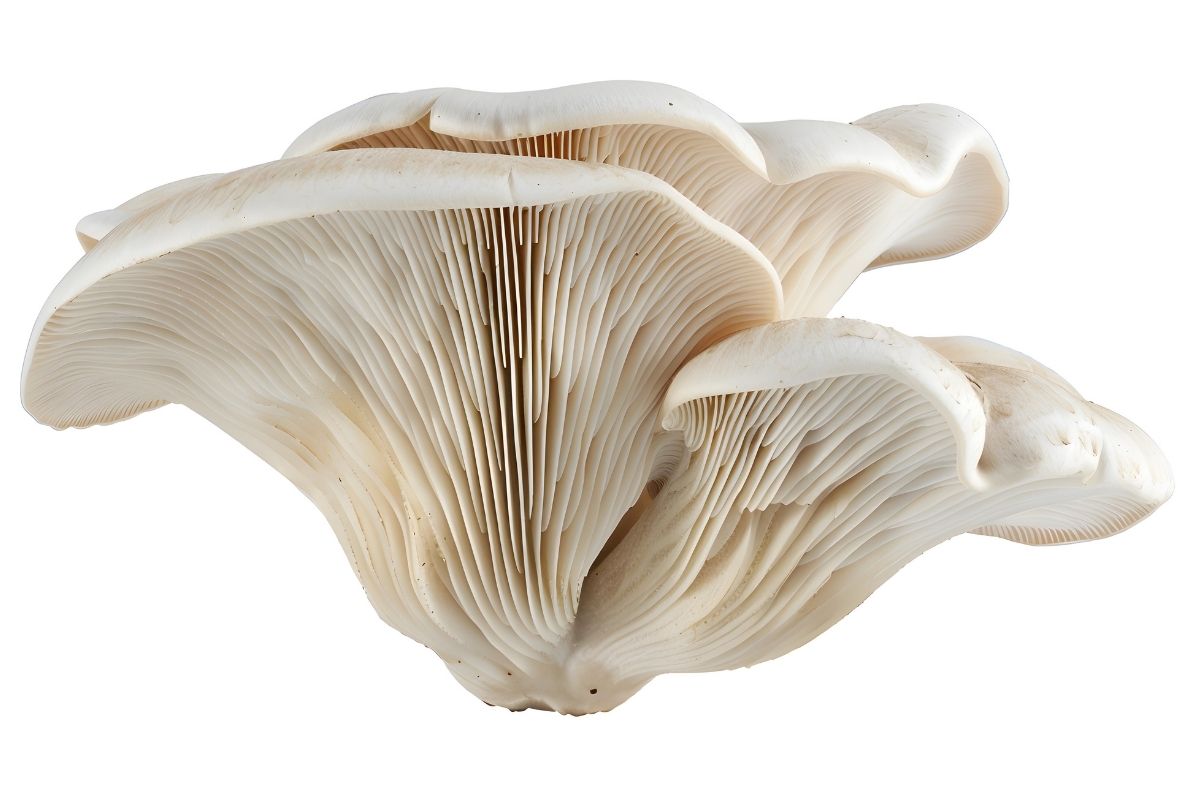
Delicate and slightly sweet, with a texture that shreds nicely, which makes them a good pick when a recipe is going for a pulled-meat texture.
King Oyster
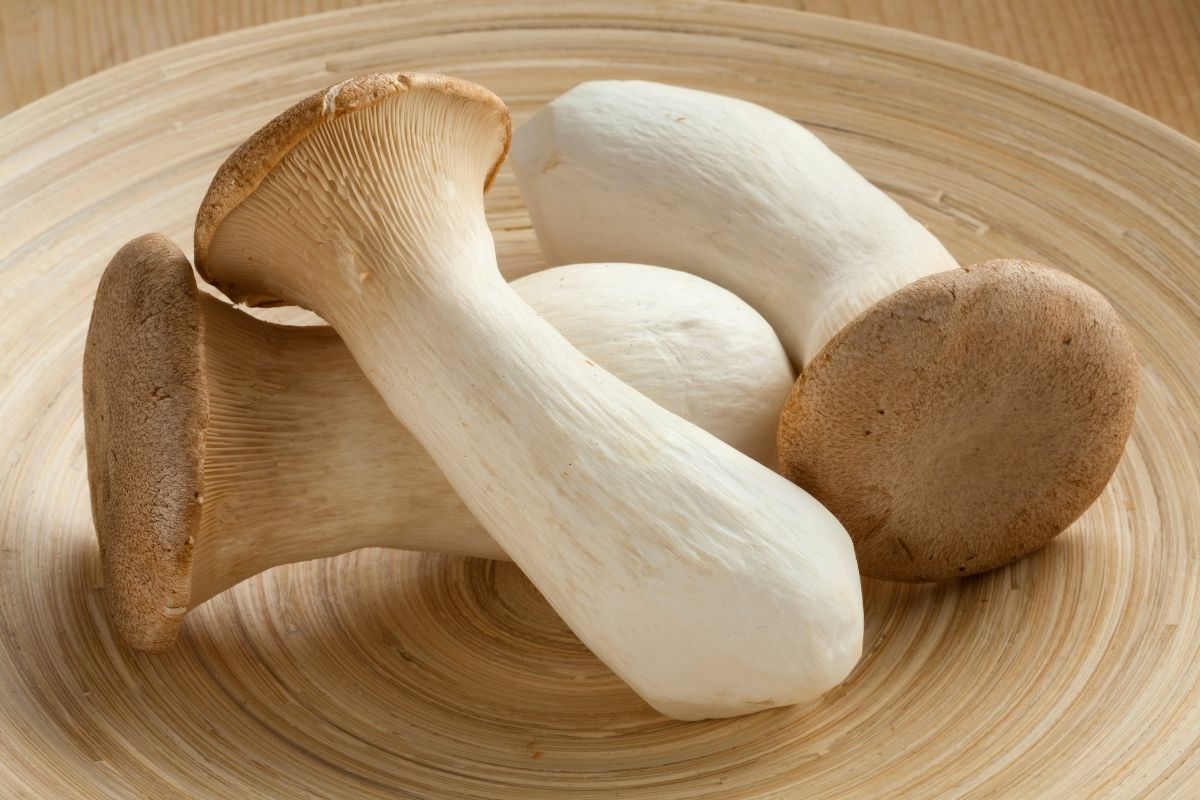
Thick, dense stems that hold up well to searing, which is why they are a popular choice for a vegan scallop substitute when sliced into rounds.

How to Clean Mushrooms
You do not need to avoid water the way older advice suggests. A quick rinse under running water followed by patting them dry with a towel is fine, mushrooms are mostly water already and will not soak up a meaningful amount in a few seconds. Just make sure they are dry before they hit the pan, wet mushrooms steam instead of browning.
How to Get Them to Actually Brown
The biggest mistake is overcrowding the pan. Mushrooms release a lot of water as they cook, and if there are too many in the pan at once, they steam in that liquid instead of browning. Use a wide pan, do not overcrowd it, and resist the urge to stir constantly, let them sit undisturbed for a few minutes at a time so they get real color.
⭐ Tips for Success
- Cook in batches if your pan is small. Crowded mushrooms steam instead of searing.
- Add salt partway through cooking, not at the very start, so they release their water at the right time and still brown.
- A splash of soy sauce or a pinch of nutritional yeast at the end deepens the savory flavor even further.
- Dried mushrooms rehydrated in hot water make a genuinely rich broth, do not throw out the soaking liquid.
Storage
Fresh mushrooms keep for about a week in the fridge, stored in a paper bag rather than plastic so they do not sweat and turn slimy. Cooked mushrooms keep for about 4 days in the fridge and freeze well for up to 3 months.
🍽️ Mushroom Recipes to Try
- Vegan Spicy Sauteed Mushrooms
- Easy Lentils with Mushrooms (Healthy Vegan Dinner)
- Oven Baked Stuffed Portobello Mushrooms
Final Thoughts
Once you stop crowding the pan and start salting at the right moment, mushrooms turn from an afterthought into one of the most reliable ways to add real savory flavor to a vegan meal.
More Ingredient Guides