Is It Vegan? An A to Z Guide to 40+ Everyday Foods
Going vegan gets so much easier the moment you realize that most of the food already in your kitchen is fine. 🙌
The tricky part is the short list of everyday products that hide an animal ingredient somewhere you’d never look. Gelatin in a frosted Pop-Tart. Fish bladder used to clarify a bottle of wine. That kind of thing.
This is the guide I wish someone had handed me on day one.
Below you’ll find a quick answer table for more than 40 foods, the detail on the ones that genuinely catch people out, and a cheat sheet of animal ingredients that hide behind names you’d never recognize.


Bookmark it. Pull it up next time you’re standing in an aisle squinting at the back of a box. 📱

🚩 The Three Things That Make A Food Not Vegan
Almost every “wait, that’s not vegan?” moment comes down to one of these three:
- Gelatin. Made from boiled animal skin and bones. It’s in most gummy candies, marshmallows, some yogurts, a lot of frostings, and most supplement capsules.
- Dairy derivatives. Whey, casein, caseinate, lactose, and milk solids show up in chips, creamers, margarine, bread, and chocolate. Often in things that taste nothing like dairy.
- Processing aids you never see. Bone char used to whiten sugar, isinglass (fish) used to clarify wine and beer, animal rennet in hard cheese, L-cysteine (often from feathers) in soft bread, and carmine (crushed insects) used as red coloring.
Learn those three categories and you’ve basically learned the whole game.
📊 Is It Vegan? Quick Answer Table For 40+ Foods
How to read this one:
- “Usually” means the standard version is vegan, but some brands aren’t. Worth a label check.
- “Sometimes” means it’s a coin flip. Always check.
- An asterisk means no animal ingredients, but the manufacturer notes cross contact with milk.
| Food | Vegan? | What To Watch Out For |
|---|---|---|
| Sugar (white / brown) | Usually | Some US cane sugar is filtered through bone char. Beet sugar and organic cane sugar are safe. |
| Bread | Usually | Most loaves are vegan. Check for milk, butter, eggs, honey, and L-cysteine (often listed as E920) in soft sandwich bread, brioche, and bagels. |
| Pasta (dried) | Yes | Dried semolina pasta is just flour and water. Fresh pasta and egg noodles contain egg. |
| Rice, oats, plain grains | Yes | Naturally vegan. Flavored instant packets sometimes add milk powder. |
| Peanut butter | Usually | Natural versions are just peanuts and salt. A few use honey or fish-derived omega-3s. |
| Butter | No | Dairy. Use vegan butter, oil, or mashed avocado. |
| Margarine | Usually | Most are vegan now, but some add whey, milk solids, or lactose. Read the label. |
| Non-dairy creamer | Sometimes | Many contain sodium caseinate, a milk protein, despite the ‘non-dairy’ name. |
| Plant milk (soy, oat, almond) | Yes | Vegan. Some baristas’ blends add nothing animal, but a few ‘protein’ blends use dairy protein isolate. |
| Tofu and tempeh | Yes | Always vegan. Pre-marinated versions rarely add honey; check flavored types. |
| Instant noodles | Sometimes | The noodles are usually vegan, the seasoning packet often is not (chicken, beef, shrimp, milk powder). |
| Ketchup | Usually | Almost always vegan. A rare few use honey instead of sugar. |
| Mustard | Usually | Yellow and Dijon are vegan. Honey mustard is not. |
| Mayonnaise | No | Contains egg. Vegan mayo (Just, Hellmann’s Vegan, Follow Your Heart) is widely available. |
| Soy sauce | Usually | Almost always vegan. Check only for unusual fish-based blends. |
| Worcestershire sauce | No | Traditional versions contain anchovies. Vegan Worcestershire exists (Annie’s, The Wizard’s). |
| Pesto (jarred) | No | Usually contains parmesan (and parmesan itself is made with animal rennet). Vegan pesto is easy to find or make. |
| Chocolate (dark) | Usually | Good dark chocolate is cocoa, sugar, and cocoa butter. Milk chocolate and most ‘may contain milk’ bars are not vegan. |
| Oreos | Yes* | No animal ingredients, though the company notes cross-contact with milk. Most vegans still eat them. |
| Gummy bears | No | Gelatin. Look for pectin-based gummies (YumEarth, Surf Sweets, Trader Joe’s Scandinavian Swimmers). |
| Marshmallows | No | Gelatin. Dandies and Trader Joe’s vegan marshmallows use no animal products. |
| Pop-Tarts | Sometimes | Unfrosted Strawberry and a few others are vegan. Most frosted flavors contain gelatin in the frosting. |
| Doritos | Sometimes | Plain and some Spicy Sweet Chili are vegan. Nacho Cheese and Cool Ranch contain milk. |
| Pringles | Sometimes | Original and Sea Salt are vegan. Most flavored varieties contain milk or dairy derivatives. |
| Potato chips (plain salted) | Usually | Plain salted chips are vegan. Almost every flavored chip contains milk powder. |
| Bagels | Usually | Plain, sesame, poppy, and everything bagels are usually vegan. Egg bagels and honey-wheat are not. Watch for L-cysteine. |
| Pickles | Usually | Cucumbers, vinegar, salt, spices. A rare few list anchovy or are colored with a non-vegan dye. |
| French fries (frozen / at home) | Usually | Just potato and oil. Some restaurant fries are fried in beef tallow or share a fryer with meat. |
| McDonald’s fries (US) | No | The US recipe includes ‘natural beef flavor’ with milk derivatives. In many other countries the fries are vegan. |
| Wine and beer | Sometimes | Often fined with isinglass (fish), gelatin, casein, or egg white. Check Barnivore.com or look for ‘vegan’ on the label. |
| Honey | No | Made by bees, so not vegan. Use maple syrup, agave, date syrup, or brown rice syrup. |
| Refined salt | Yes | Vegan. (Rumors about bone char in salt are false.) |
| Parmesan and hard cheeses | No | Traditional parmesan, pecorino, gruyere, and manchego use animal rennet. Even vegetarians often avoid them. |
| Store-bought pie crust and pastry | Sometimes | Many use butter or lard. Some (like Pillsbury) are accidentally vegan. Read the label. |
| Worcester-style gravy granules | Sometimes | Bisto is vegan, many others contain milk. Check. |
| Vitamin D supplements | Sometimes | Standard D3 comes from lanolin (sheep’s wool). Look for a vegan vitamin D3 made from lichen instead. D2 is always vegan. |
| Omega-3 supplements | Sometimes | Fish oil is not vegan. Algae-based omega-3 is. |
| Orange juice (fortified) | Sometimes | Some fortified juices add omega-3s from fish or D3 from lanolin. |
🥫 Pantry Staples
Good news: this is the easiest section in the whole guide.

- Sugar. In the US, some cane sugar is filtered through bone char (charred animal bone) to make it white. None of it ends up in the sugar, so plenty of vegans don’t worry about it. If you do, buy organic cane sugar, beet sugar, or coconut sugar. Outside the US this is rarely an issue at all.
- Bread. A plain loaf is flour, water, yeast, and salt. Check soft sandwich bread, brioche, challah, bagels, and anything labeled “enriched,” which can contain milk, butter, eggs, honey, or L-cysteine (E920). Sourdough and artisan loaves are almost always safe.
- Pasta. Dried pasta from the box is flour and water, full stop. Fresh refrigerated pasta, egg tagliatelle, and filled pasta like ravioli contain egg and usually cheese.
- Rice, oats, and plain grains. All vegan, always. Flavored instant packets sometimes add milk powder, so those get a flip.
I broke all of this down properly in is pasta vegan, plus every other pantry staple. For building a cart from scratch, start with the beginner’s vegan grocery list.
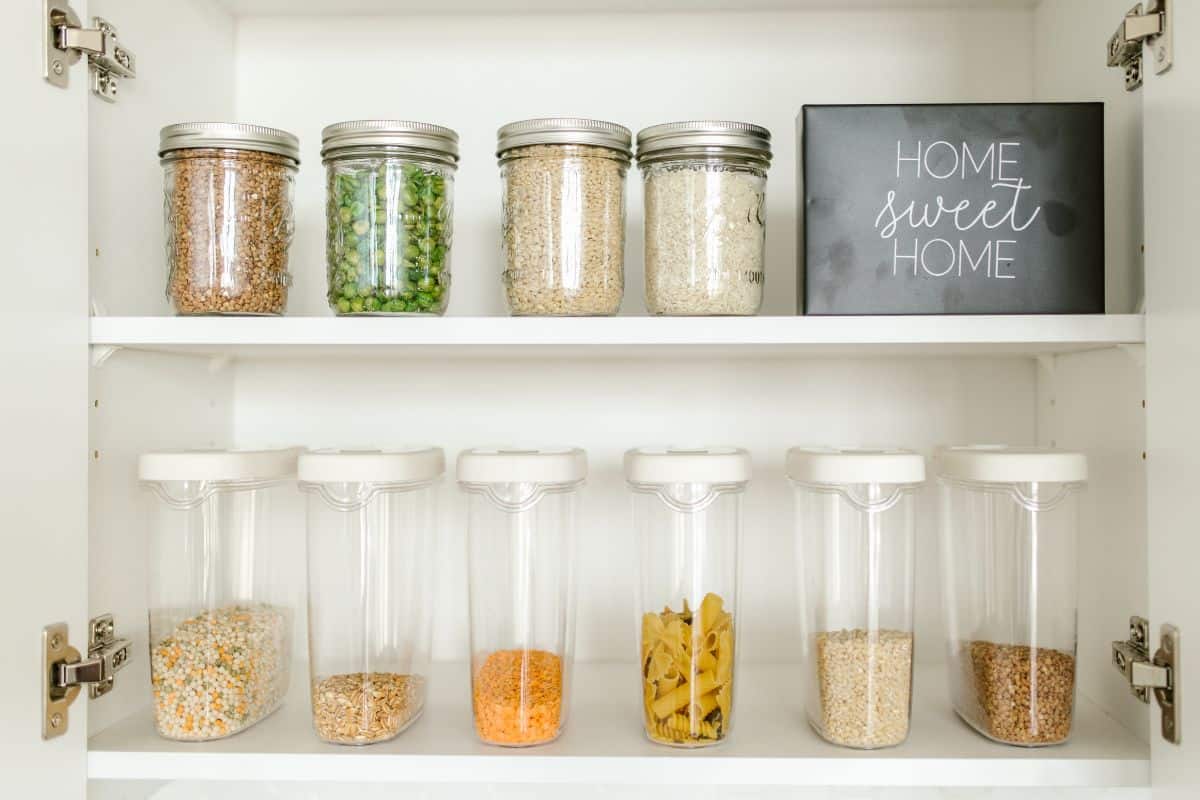
Photo by RDNE Stock project from Pexels
🧂 Sauces And Condiments
Ketchup, yellow mustard, most hot sauces, and soy sauce are almost always vegan. Easy.
There are four repeat offenders, and they get you every time:
- Mayonnaise. Egg.
- Worcestershire sauce. Anchovies.
- Honey mustard. It says it right there.
- Jarred pesto. Parmesan, which itself uses animal rennet.
Every single one of those has a solid vegan version sitting on the same shelf. Caesar dressing and fish sauce are also out, and yes, both have good swaps too.
The full aisle by aisle version is in vegan condiments and sauces.
🍬 Snacks, Candy And Sweets
This is where gelatin and milk powder do the most damage.
- Chips. Plain salted are usually fine. Nearly every flavored chip, from sour cream and onion to barbecue, contains milk powder.
- Candy. Assume gummies and marshmallows have gelatin unless the bag says otherwise. Sour Patch Kids and Swedish Fish are the happy exceptions.
- Chocolate. Dark is usually vegan, milk never is. Watch for added milk fat even in 70% bars.
- Oreos. No animal ingredients, but made on shared lines with milk. Most vegans eat them.
For the brand by brand breakdown, the snack roundup covers Oreos, Pop-Tarts, Doritos, Pringles and more.
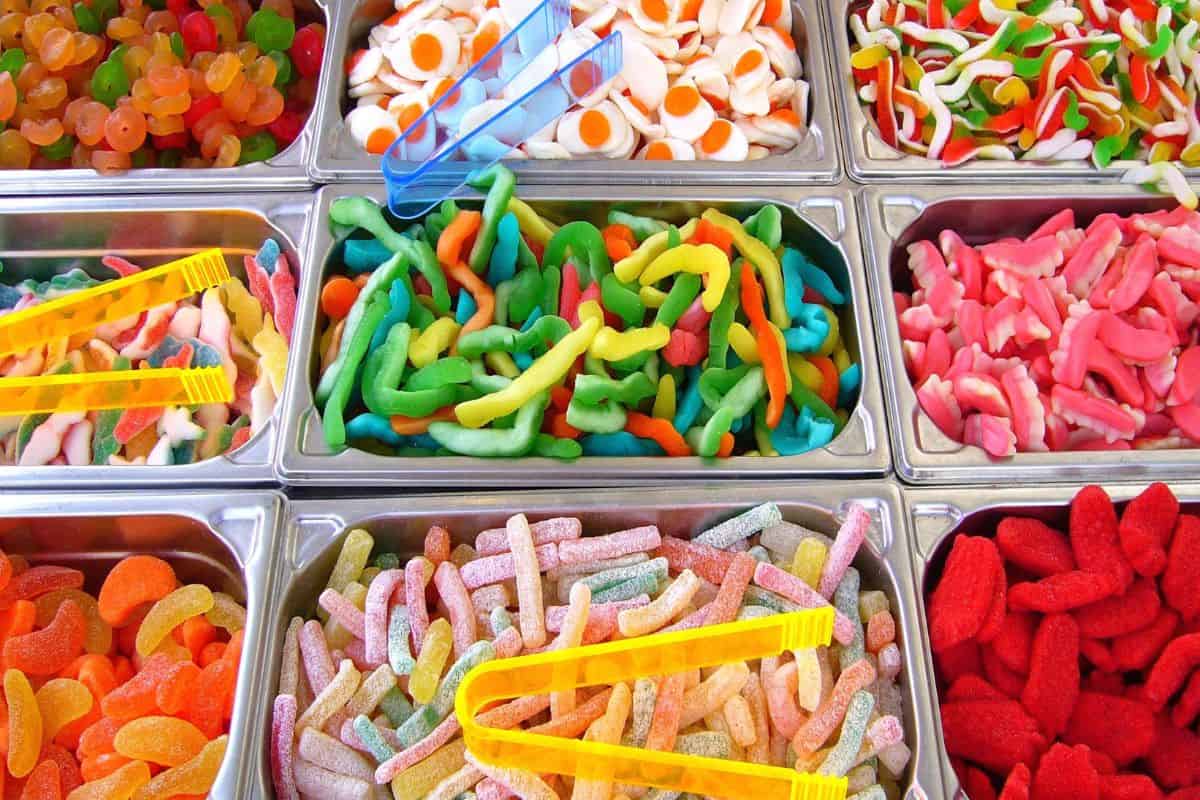
Photo by Shirley810 from Pixabay
🍷 Drinks
Coffee and tea are vegan until you add milk. Simple.
Alcohol is the surprise. Wine, beer, and cider are often clarified, or “fined,” using isinglass from fish bladders, or gelatin, casein, or egg white.
None of it appears on the label, because alcohol isn’t required to list ingredients in most countries. So you genuinely cannot tell from the bottle.
The fix: Barnivore.com has a free searchable database of tens of thousands of drinks. Search before you buy and you’re sorted.
Spirits are almost always vegan, cream liqueurs aside. And plant milks, obviously, are as vegan as it gets. If you want to know which ones are worth your money, I dug into that in what to avoid in plant-based milks.
🕵️ Hidden Animal Ingredients And The Names They Hide Behind
Screenshot this section. If you see any of these on an ingredient list, the product is not vegan:
- Gelatin (also gelatine. “Kosher gelatin” is usually still animal)
- Casein, caseinate, sodium or calcium caseinate (milk protein)
- Whey, whey protein, whey powder (milk)
- Lactose, milk solids, milk powder, nonfat dry milk
- Carmine, cochineal, crimson lake, Natural Red 4, E120 (crushed insects, used for red coloring)
- Shellac, confectioner’s glaze, E904 (insect secretion, the shine on candy and apples)
- Isinglass (fish bladder, in some beer and wine)
- Rennet, animal rennet (calf stomach enzyme, in most hard cheese)
- L-cysteine, E920 (dough conditioner, often from feathers or hair)
- Lard, tallow, suet, beef fat, chicken fat, schmaltz
- Lanolin and cholecalciferol (the standard form of D3) unless it says “vegan D3” or “from lichen”
- Anchovy, fish sauce, fish stock, oyster sauce
- Honey, beeswax (E901), propolis, royal jelly
- Albumen, egg white, ovalbumin, lysozyme (E1105)
- Mono- and diglycerides. These can be plant or animal and the label won’t say. Email the company if it matters to you.
Dairy hides behind more names than anything else on this list. I went deeper on those in casein, rennet and albumin.

Photo by Laura J from Pexels
⏱️ How To Check Any Product In About 10 Seconds
- Look at the bold allergen line under the ingredients. If it says “contains milk, egg, fish,” you’re done. Put it back.
- Scan for the words above. Gelatin, whey, casein, carmine, shellac. Your eyes get fast at this.
- Look for a vegan logo or the words “suitable for vegans.” Tons of products carry one now.
- Still unsure? Ask. Most manufacturer websites have an allergen FAQ, and companies answer this question constantly.
You’ll have the common ones memorized within a couple of weeks and stop needing to check most things. Until then, this page is here. 💚
🛒 The Swaps That Solve Most Of This
Rather than memorizing 40 rules, just buy these once and most of the list stops applying to you:
- Vegan butter for baking and spreading. Swaps 1:1 for dairy butter.
- Nutritional yeast for cheesy flavor in pesto, pasta, and popcorn.
- Vegan cheese for the meltier jobs. It’s come a very long way.
- Maple syrup as your permanent honey replacement.
- Vegan mayo so sandwiches, potato salad, and dressings all still work.
- Vegan D3 from lichen and an algae omega-3 so your supplements stop being the weak link. More on that in the supplements many vegans consider taking.
The rest of my shelf is in my favorite vegan pantry essentials.
❓ Common Questions
Is Palm Oil Vegan?
Technically yes, it contains no animal products. Many vegans still avoid it for environmental reasons, because of the link to deforestation and habitat loss. That one’s a personal call and nobody should be judging you either way.
Are Natural Flavors Vegan?
Usually, but not always. “Natural flavor” can legally come from an animal source. Castoreum from beavers is the famous example, though it’s now extremely rare. If a product is otherwise plant based and just lists natural flavors, most vegans eat it.
Is White Sugar Really A Problem?
Only some US cane sugar, and only because of the bone char filter. The sugar itself contains no animal product. Plenty of vegans don’t worry about it. If you do, buy beet sugar or organic cane sugar and move on with your life.
Is Bread Vegan?
Usually. Plain loaves, sourdough, and artisan bread are flour, water, yeast, and salt. Soft commercial bread can contain milk, butter, eggs, honey, or L-cysteine from feathers. Full breakdown here.
Do I Need To Check Everything Forever?
No, and please don’t. After the first few shopping trips you’ll know your regular products and only check something new. Progress over perfection, always. If you’re just starting, read how to go vegan without getting overwhelmed.
📚 Keep Reading
- Is Pasta Vegan? Plus Every Other Pantry Staple, Checked
- Hidden Non-Vegan Ingredients: Sugar, Bread, Wine and More
- Vegan Condiments and Sauces: What’s Actually Plant-Based
- Are These Snacks Actually Vegan?
- Is Fast Food Vegan? McDonald’s Fries and What You Can Order
- What Vegans Can’t Eat