
Why Lemons Are Not Always Vegan

This post may contain affiliate links. See our disclosure policy for more.
Lemons are one of the most loved fruits in the kitchen, adding brightness to everything from lemonade to salad dressings. While the fruit itself is plant-based, some pre-sale handling practices can raise ethical concerns for vegans.
Let’s look at 5 key reasons lemons are sometimes not considered vegan and what you can do about it.
1. Lemons May Be Coated With Shellac
Some lemons are coated with shellac, a glossy substance derived from lac bug secretions to extend shelf life. According to Star-K, this is common with citrus fruits like lemons, limes, and oranges, and shellac is not considered vegan.


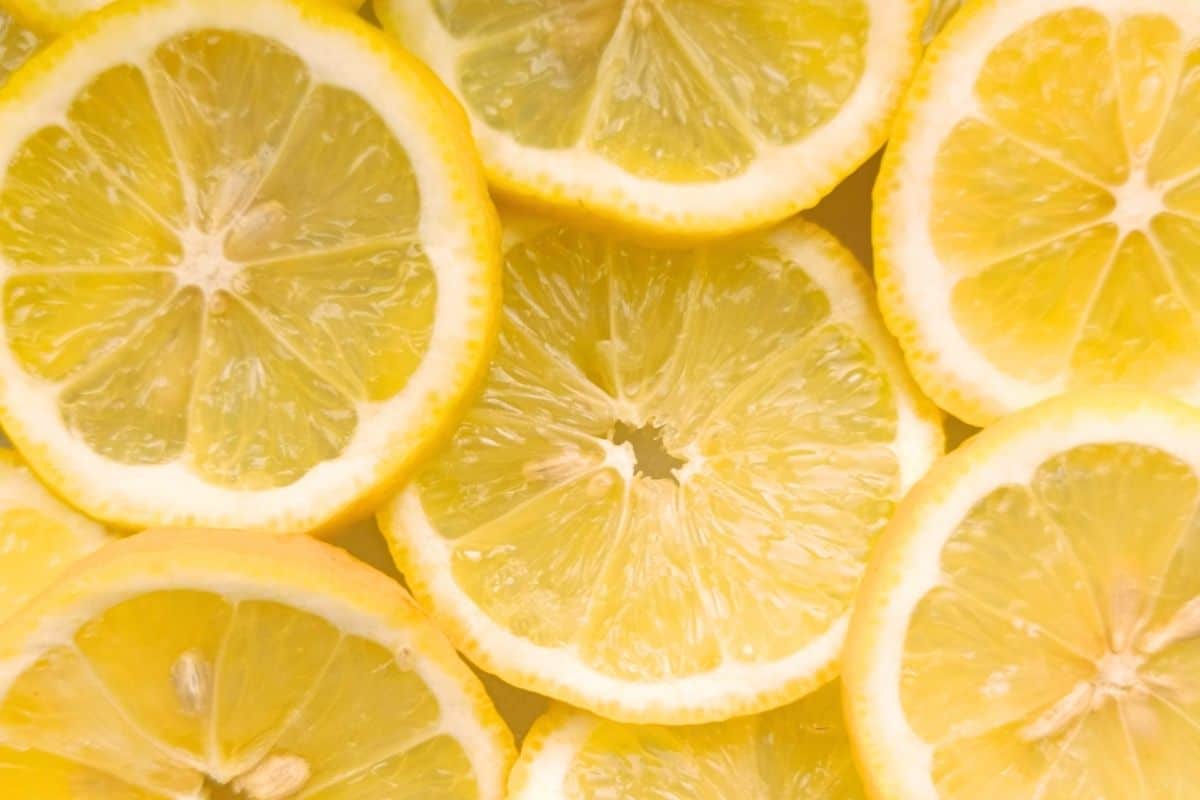
Photo by Bohdan K from Pexels
2. Wax Coatings Can Contain Animal Products
Lemons are often treated with wax to keep them fresh, and while some waxes are plant-based, others may contain beeswax or animal-derived additives. The Food and Drug Administration (FDA) confirms fruit wax coatings are approved in the U.S., but labels don’t always specify the source.
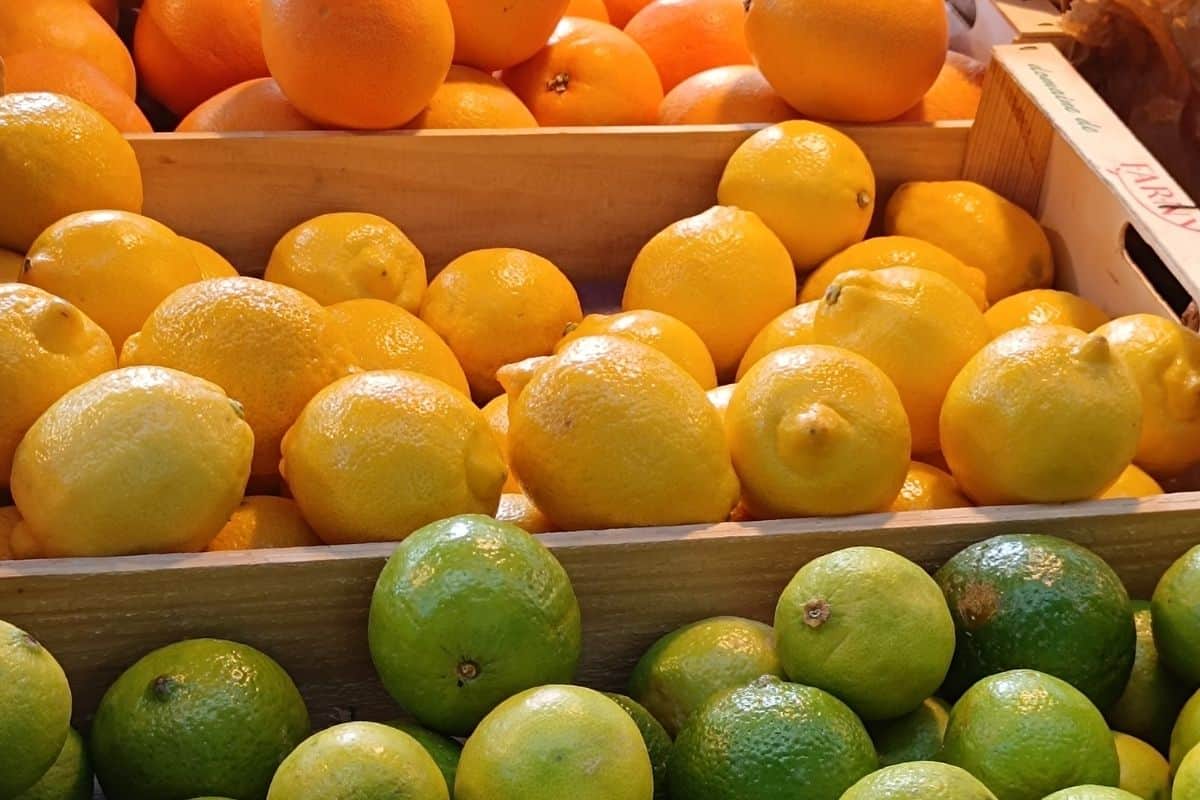
Photo by Matyasv from Pixabay
3. Conventional Lemons Are Often Sprayed With Pesticides
Lemons are often treated with pesticides and fungicides to extend shelf life. Some are tested on animals or use animal-derived carriers, which concerns strict vegans. Research published in ScienceDirect confirms citrus fruits like lemons are commonly treated, so choosing organic may be a better option.

Photo by VOUS BALI from Pexels

4. Imported Lemons May Be Dipped In Post-Harvest Treatments
Many imported lemons are treated with fungicides and preservatives during transit. Some of these treatments, while not directly animal-based, are often tested on animals for safety. This testing process makes them problematic for those following a strict vegan lifestyle.
5. Packaging And Handling Can Raise Questions
Even if the lemons themselves are grown without shellac, wax, or animal-tested chemicals, they may still be handled in facilities that use animal-based processing aids. This is more difficult to trace, but it highlights why buying from trusted sources matters.
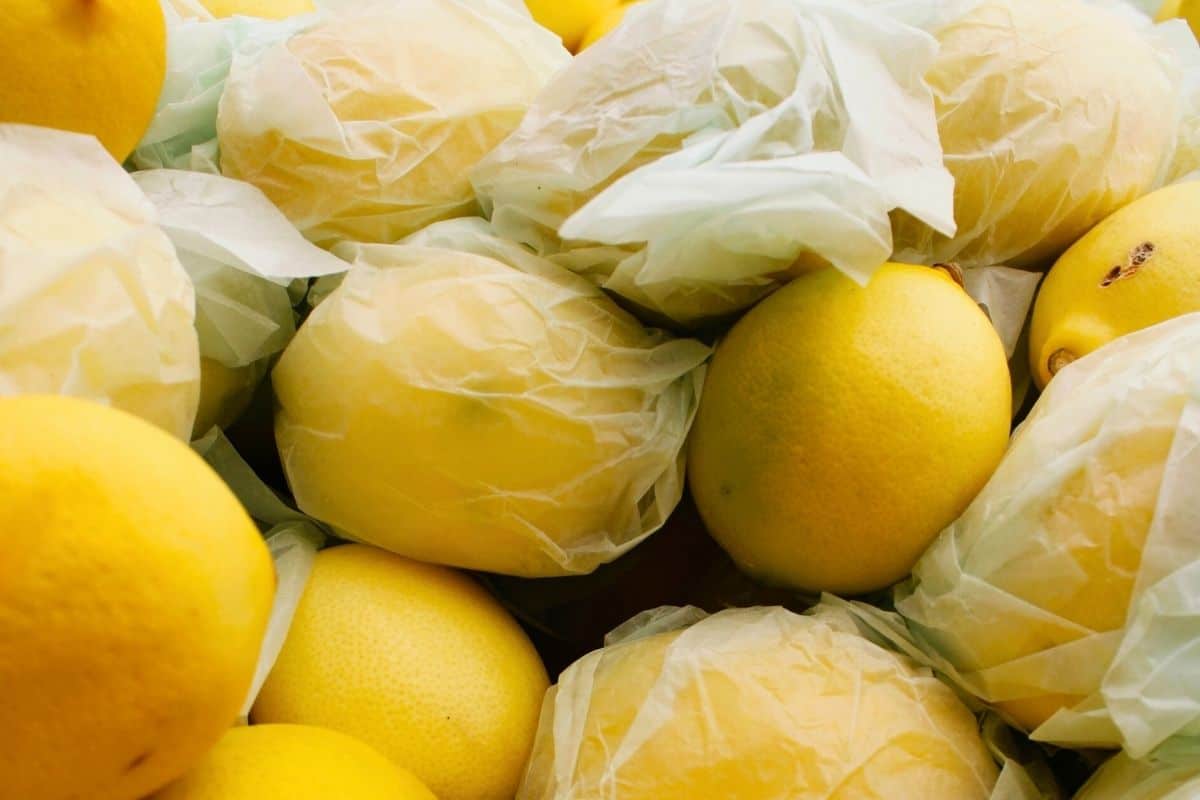
Photo by arteliusnis from Pexels
How To Choose Vegan-Friendly Lemons
Luckily, you don’t have to give up lemons entirely. Here are 3 simple steps to make sure your citrus is vegan-friendly:
- Buy organic lemons whenever possible. Organic certification in the U.S. prohibits shellac and most non-vegan waxes.
- Wash lemons thoroughly before use, especially if you’re zesting the peel.
- Look for produce labeled “vegan wax” or “wax-free” at health food stores.
What About Restaurants And Drinks?
If you’re ordering lemonade, cocktails, or even tea with lemon at a café, it’s safe to assume they’re using conventional lemons. While you can’t always control this outside your home, being aware of the issue helps you make more informed choices.

Photo by beytlik from Pexels
The Bottom Line
Lemons are naturally vegan, but the way they are processed, coated, and handled can sometimes make them not vegan-friendly. By choosing organic, washing carefully, and supporting ethical suppliers, you can keep enjoying your favorite citrus without compromise.
More Vegan Resources
🌟 Did you LIKE this ARTICLE?
Leave a comment below! We can’t wait to hear what you think!