Lentils 101: Every Type and How to Cook Them

This post may contain affiliate links. See our disclosure policy for more.
Lentils are one of the few ingredients that are cheap, fast, and genuinely good for you all at once. No soaking required, ready in twenty to thirty minutes, and they work in everything from soup to tacos to a weeknight dahl.
Here is how to tell the different types apart, how to cook each one, and where they actually shine.

In this post, you’ll learn:
- the difference between red, brown, green, black, and Puy lentils
- which type to use for soup versus a salad that needs to hold its shape
- how long each type actually takes to cook
- the one mistake that leaves lentils tasting flat
- real recipes to put them in tonight
Why Lentils Are Worth Keeping Stocked
A bag of dried lentils costs a couple of dollars and turns into several meals. They do not need an overnight soak like most dried beans, they cook in well under an hour, and they are naturally high in protein and fiber. If you are trying to eat less meat without spending more time in the kitchen, lentils are one of the easiest places to start.


The Different Types of Lentils
Red and Yellow Lentils
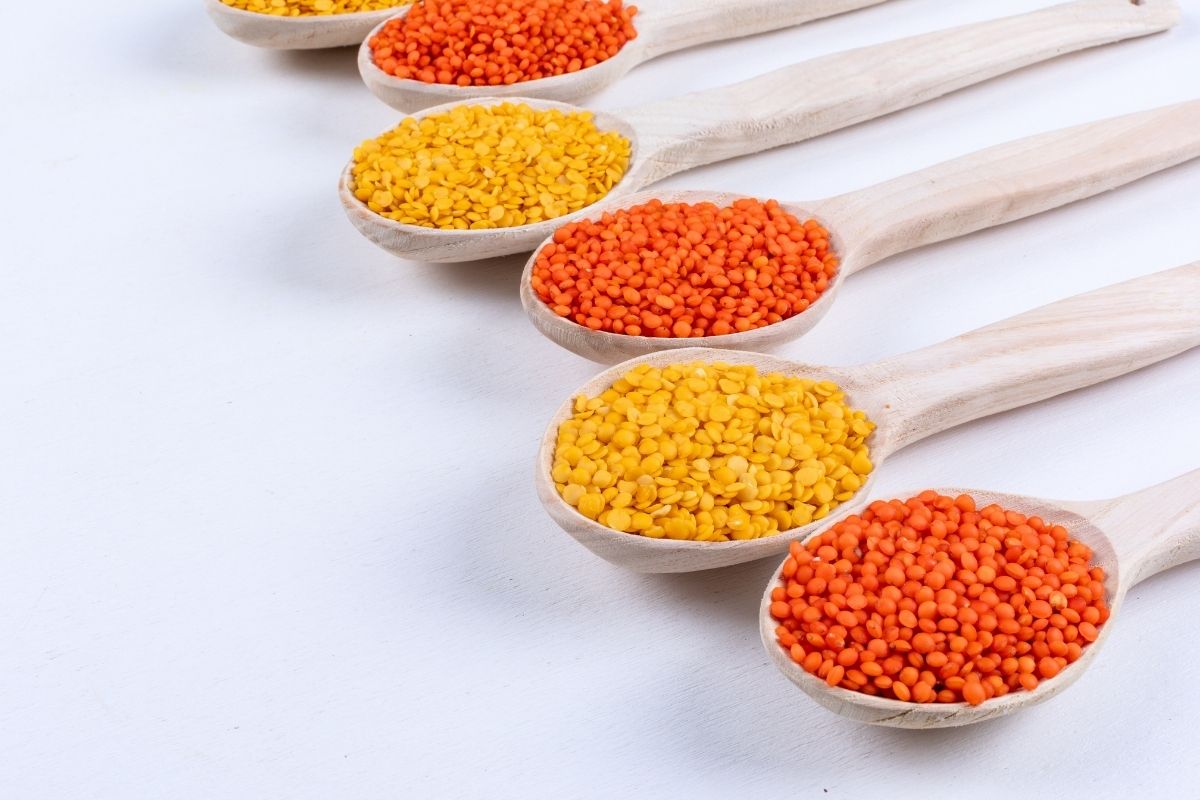
These cook the fastest, around 15 to 20 minutes, and break down into a soft, creamy texture as they cook. That makes them the right choice for dahl, soup, or anywhere you want the lentils to thicken the dish rather than stay separate.
Brown and Green Lentils
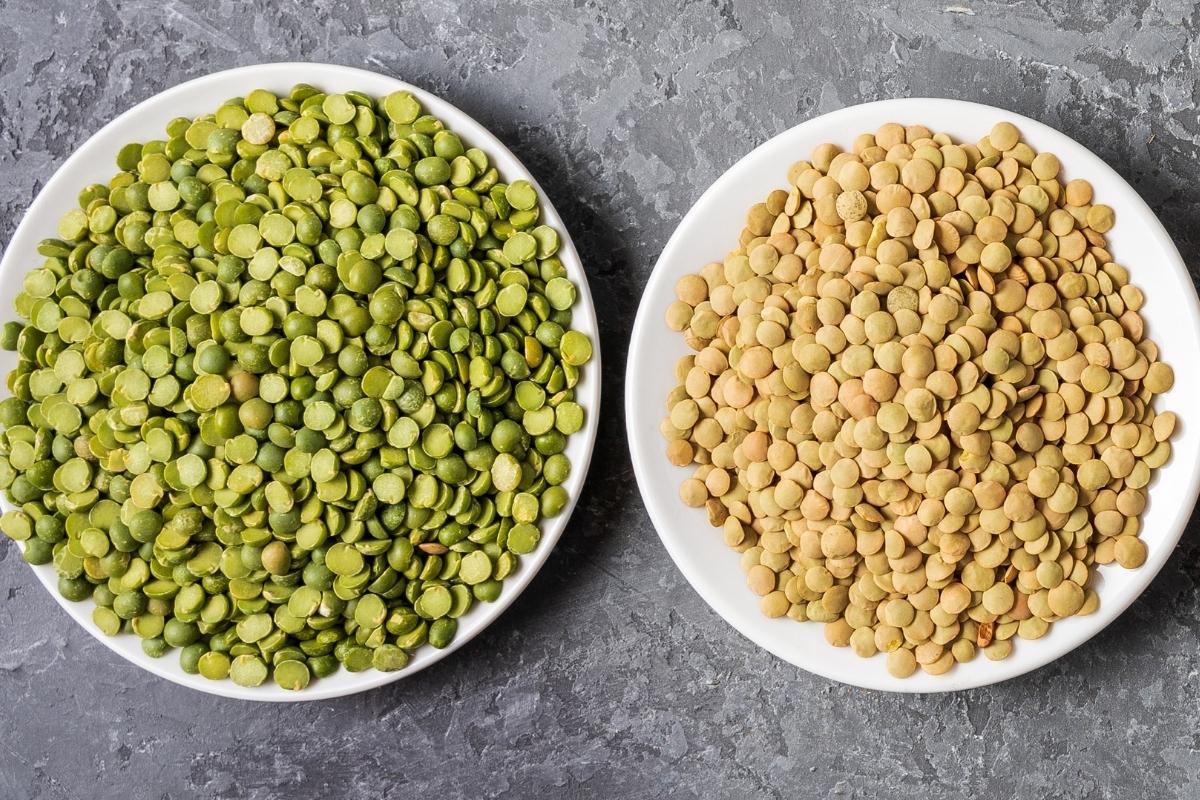
The most common type in grocery stores. They hold their shape better than red lentils and take about 20 to 25 minutes to cook. Good all-purpose choice for tacos, pasta sauce, or a lentil version of ground meat in a recipe.
Black (Beluga) Lentils
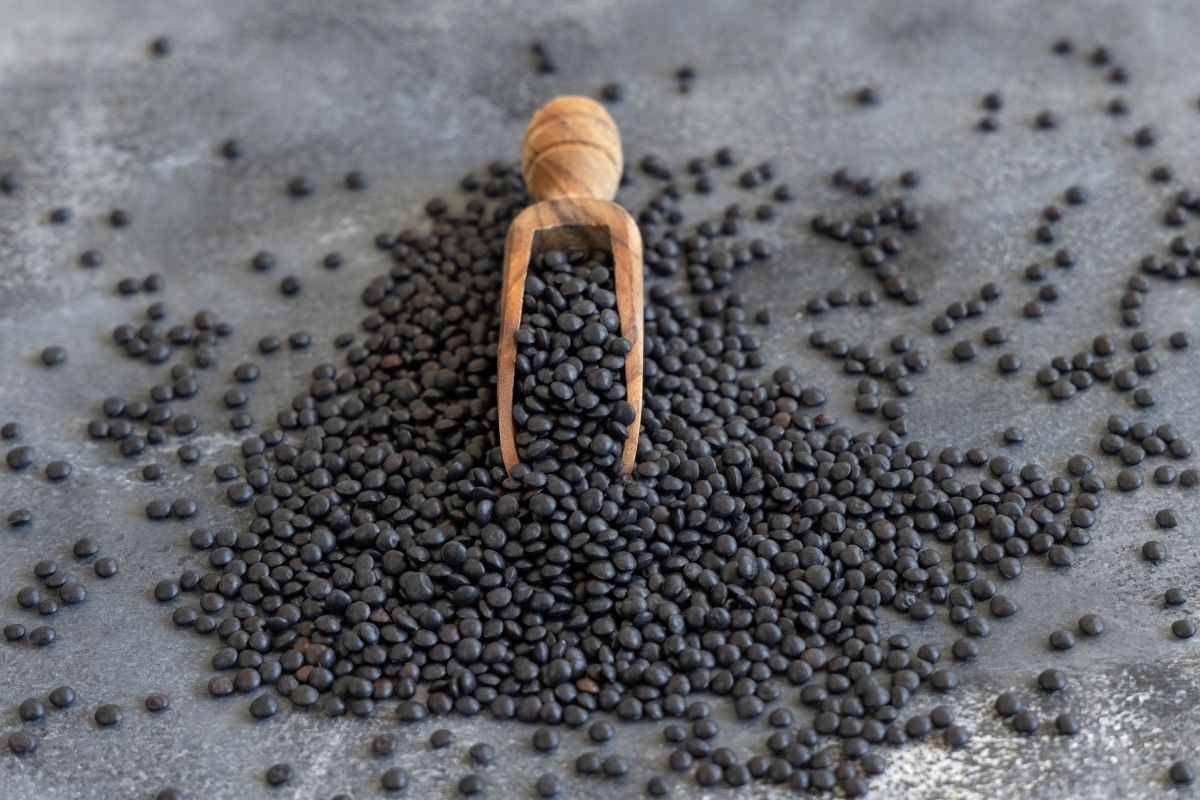
Small, shiny, and named for their resemblance to caviar. They hold their shape the best of any lentil, which makes them a good pick for a grain-bowl salad where you do not want a mushy texture.
French (Puy) Lentils
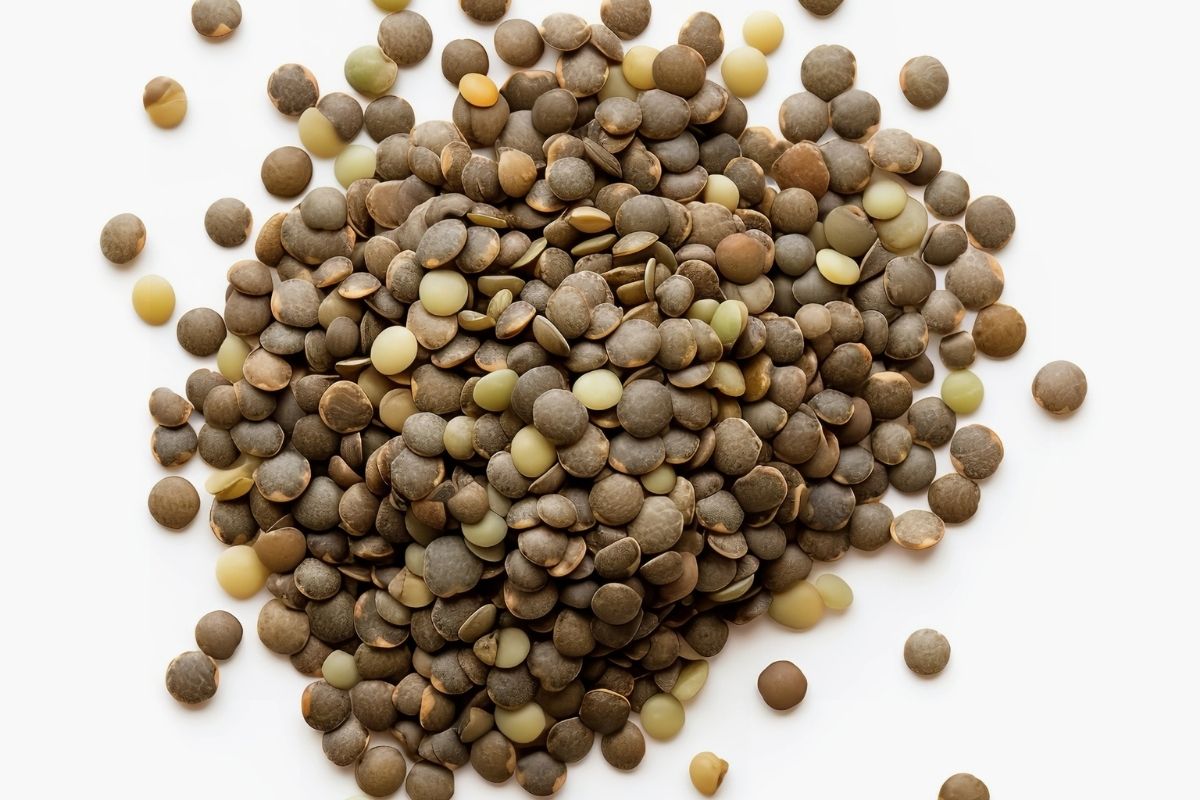
A little firmer and more peppery than green lentils, and they keep a distinct bite after cooking. Worth seeking out for a salad or a side dish where texture matters, though regular green lentils work as a substitute in most recipes.
How to Cook Lentils
No soaking needed for any type. Rinse them first to remove any dust from the bag, then simmer in about three cups of water or broth per cup of lentils until tender: 15 to 20 minutes for red or yellow, 20 to 25 minutes for brown or green, and closer to 25 to 30 minutes for black or Puy. Drain off any extra liquid once they reach the texture you want.

In a Pressure Cooker
Lentils cook fast enough on the stove that a pressure cooker is not required, but it does save a step. In an Instant Pot, cook on high pressure for 8 to 10 minutes for red or brown, or 12 to 14 minutes for black or Puy, then let the pressure release naturally.
⭐ Tips for Success
- Salt the cooking water partway through, not at the very start. Salting too early can slow down how quickly the lentils soften.
- Do not skip the acid. A splash of lemon juice or vinegar stirred in at the end wakes up the flavor, lentils taste flat without it.
- If a recipe needs the lentils to hold their shape, check them a couple minutes before the time listed. They go from firm to mushy fast in the last stretch of cooking.
- Cook a double batch and freeze half. Cooked lentils freeze well and thaw quickly for a fast dinner.
Storage
Cooked lentils keep in the fridge for about 5 days, or in the freezer for up to 3 months. Store them with a little of their cooking liquid so they do not dry out.
🍽️ Lentil Recipes to Try
- Easy Red Lentil Dahl (One Pot, 30-Minute Vegan Dinner)
- Easy Lentils with Mushrooms (Healthy Vegan Dinner)
- Lentil Veggie Fritters
Final Thoughts
Once you know which type of lentil to reach for, they become one of the easiest ways to get a real dinner on the table on a weeknight, no planning ahead required.
More Ingredient Guides