Vegan Condiments and Sauces: What’s Actually Plant-Based
The sauces on your table are way more likely to trip you up than the actual meal. 🥲
A plate of fries is vegan right up until the mayo lands on it. A stir fry is vegan until someone adds “just a splash” of fish sauce.
Here’s the honest rundown on every condiment people ask me about, plus what to grab instead when the answer is no.
⚡ The Quick Verdict Table
| Condiment | Vegan? | The Catch |
|---|---|---|
| Ketchup | Yes | Rare honey sweetened versions |
| Mustard | Yes | Except honey mustard |
| Soy sauce and tamari | Yes | Basically none |
| Hot sauce and sriracha | Yes | A few use honey |
| Barbecue sauce | Usually | Honey and Worcestershire |
| Mayonnaise | No | Egg yolks |
| Worcestershire sauce | No | Anchovies |
| Fish and oyster sauce | No | It’s in the name |
| Honey | No | Bees |
| Jarred pesto | No | Parmesan |
| Ranch and Caesar | No | Buttermilk, egg, parmesan |
🍅 Is Ketchup Vegan?
Yes, almost always. Go wild.


Standard ketchup is tomatoes, vinegar, sugar, and spices. Heinz, Hunt’s, and pretty much every store brand are vegan.
The only exception is a small batch or fancy artisan ketchup sweetened with honey instead of sugar. If it costs $9 and has a handwritten label, give it a quick read.
🌭 Is Mustard Vegan?
Yes, with one obvious exception.
Yellow mustard, Dijon, spicy brown, and whole grain mustard are all just vinegar, mustard seed, and spices.
Honey mustard is the one to skip. Or make your own in 30 seconds: Dijon plus maple syrup, whisked. It tastes better than the bottled stuff and you’ll never go back.
🥚 Is Mayonnaise Vegan?
No. Traditional mayo is built on egg yolks, and there’s no way around that.
But here’s the thing I tell every new vegan: vegan mayo is genuinely good now. Not “acceptable substitute” good. Actually good.
The ones worth buying:
- Hellmann’s Vegan. The closest to the original if that’s what you grew up with.
- Follow Your Heart Vegenaise. Slightly tangier. A lot of people prefer it.
- Sir Kensington’s Fabanaise. Made with aquafaba, which is just chickpea brine. The liquid you used to pour down the sink.
Put any of them in a sandwich or potato salad and nobody at the table will notice. I’ve tested this on unsuspecting family members. 🤫
🍶 Are Soy Sauce And Tamari Vegan?
Yes, and this is the good news section.
Soy sauce is fermented soybeans, wheat, salt, and water. Tamari is the same idea without the wheat, so it’s the gluten free option. Neither contains anything animal.
Coconut aminos are also vegan if you want a lower sodium, slightly sweeter option.
The only bottles in this aisle to watch are Worcestershire, fish sauce, and oyster sauce. All three are coming up next, and none of them are subtle about it.
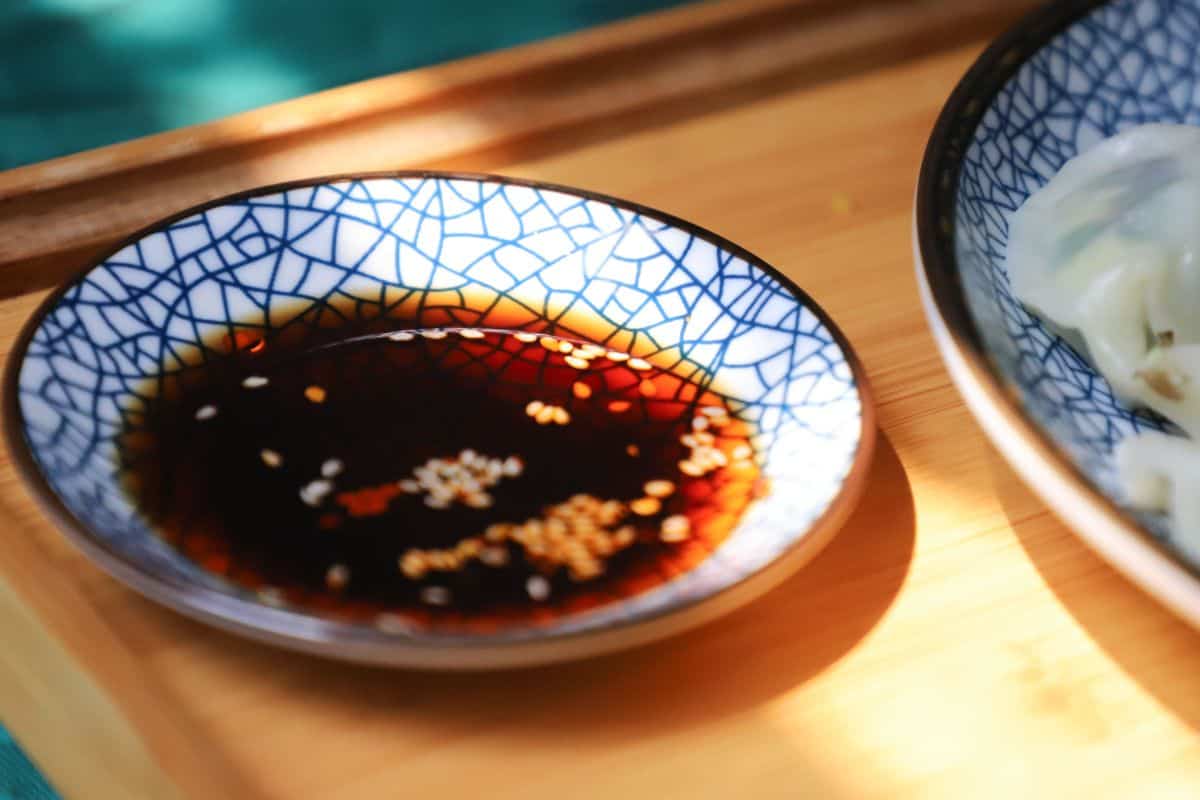
Photo by Cats Coming from Pexels
🐟 Is Worcestershire Sauce Vegan?
No. Traditional Worcestershire contains anchovies.
That fishy little secret is exactly what gives it the savory depth everyone loves, which is deeply inconvenient.
Lea & Perrins, the bottle in most kitchens, is not vegan. Vegan versions that taste close to the original do exist:
- Annie’s Worcestershire Sauce
- The Wizard’s Worcestershire Sauce
- Edward & Sons
Worth knowing because Worcestershire hides inside other things too. Some barbecue sauces, most Caesar dressings, and a lot of “secret recipe” marinades quietly bring anchovies along for the ride.
🦪 Are Fish Sauce And Oyster Sauce Vegan?
No, and there’s no accidental exception here. The name is the whole ingredient list.
The good news for anyone who cooks Thai, Vietnamese, or Chinese food at home: vegan fish sauce made from mushrooms and seaweed is excellent. Brands like Ocean’s Halo nail the salty, funky umami really well.
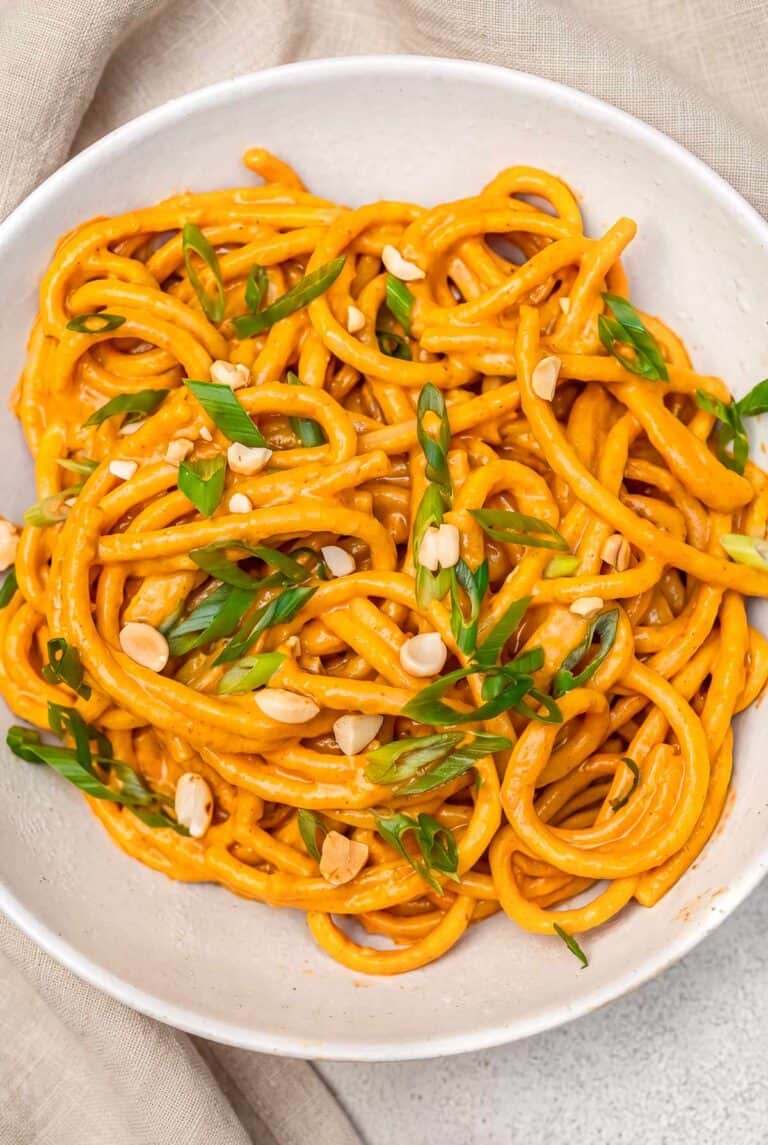
Vegan oyster sauce made from mushrooms exists too, and it’s the one swap that makes vegan stir fries taste like the restaurant version. My vegan Thai red curry noodle soup leans on it hard.
🍯 Is Honey Vegan?
No. Honey is made by bees, so most vegans skip it.
I know this one causes arguments at dinner tables. It’s still the standard vegan position, and honestly the swaps are so easy it’s barely a sacrifice:
- Maple syrup in dressings, marinades, and baking. My default for everything.
- Agave nectar when you want something neutral that dissolves cold.
- Date syrup for a deeper, caramel flavor.
- Brown rice syrup when you need that thick, sticky texture.
Anything with honey in the name needs a swap: honey mustard, honey barbecue, honey garlic, and a surprising number of salad dressings.
🌿 Is Pesto Vegan?
Jarred pesto? Almost never. It contains parmesan.
And traditional parmesan is made with animal rennet, an enzyme from calf stomach, so it’s a double no for strict vegans.
Vegan pesto swaps in nutritional yeast or a plant based parmesan, and several brands sell a ready made version now, including Trader Joe’s and Cybele’s Free To Eat.
Or make it. Basil, pine nuts or walnuts, garlic, olive oil, lemon, salt, and a big spoon of nutritional yeast. Blender. Done in four minutes and it’s better than the jar.
🥗 Are Ranch And Caesar Dressing Vegan?
Usually no. Classic ranch and Caesar lean on buttermilk, mayonnaise, egg, or parmesan, and Caesar often sneaks in anchovies too.
Vegan ranch from Follow Your Heart and Daiya is widely stocked and genuinely close. Cashew and tahini based Caesar dressings are everywhere now too.
If you’d rather make your own, my miso tahini ginger dressing is the one that lives in my fridge permanently.
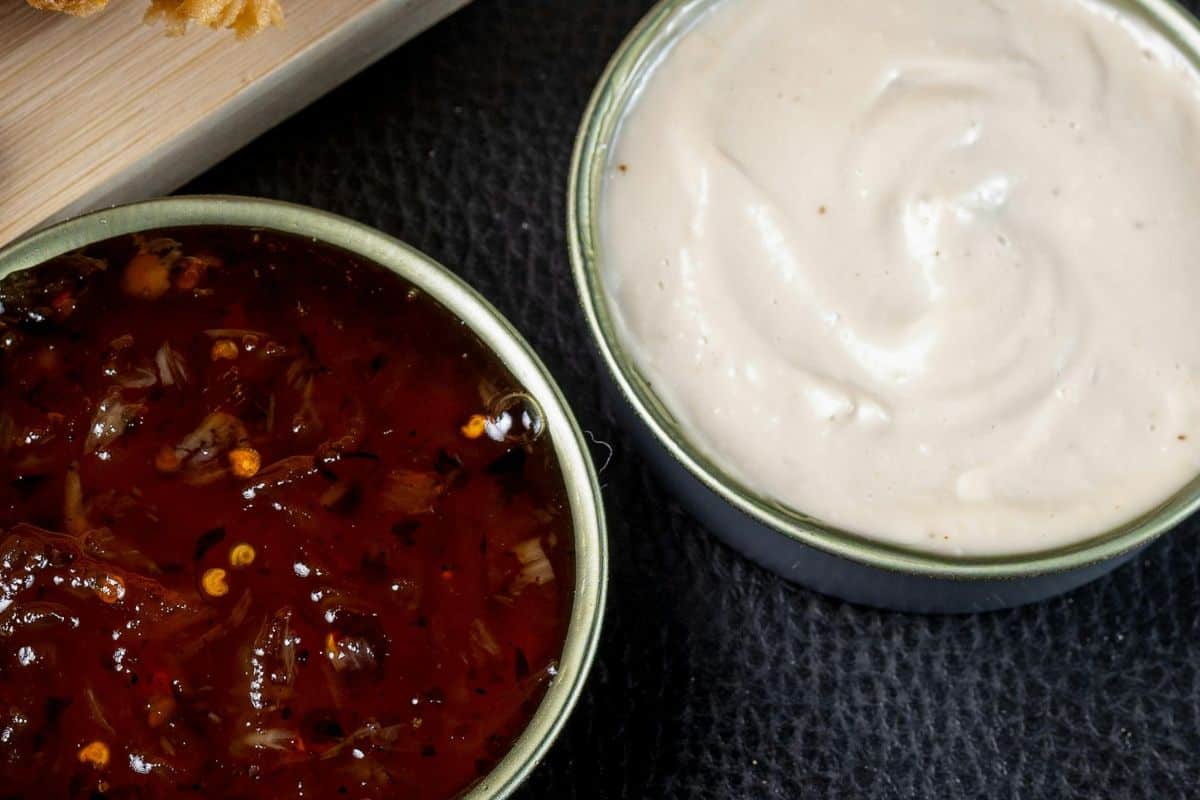
Photo by Eric M from Pexels
🍖 Is Barbecue Sauce Vegan?
Usually yes. Most bottled BBQ sauce is tomato, vinegar, sugar, and spices.
Two exceptions to watch for:
- Honey based sauces. Usually announced right there in the name.
- Sauces that list Worcestershire. Sneaky anchovy delivery system.
Flip the bottle and scan for those two words. Everything else on the shelf is fair game.
🛒 The Swaps Living In My Fridge Right Now
If you replace these six things, your condiment problem is solved forever:
- Vegan mayo instead of regular mayo. Non negotiable starting point.
- Vegan Worcestershire sauce so marinades and Bloody Marys still work.
- Vegan fish sauce for anything Southeast Asian.
- Nutritional yeast for instant cheesy flavor in pesto, pasta, and popcorn.
- Maple syrup as your permanent honey replacement.
- Tahini because it turns into a creamy dressing with nothing but lemon and water.
The rest of my shelf is in my favorite vegan pantry essentials, and if you’re building a fridge from scratch, start with the beginner’s vegan grocery list.
🧠 The Pattern To Remember
Almost every condiment problem comes from exactly three places:
- Egg. Mayo, Caesar, aioli.
- Anchovy or fish. Worcestershire, fish sauce, Caesar again.
- Honey. Honey mustard, some BBQ sauces, a lot of dressings.
Learn those three and you’ve learned the whole aisle. Once your regulars are sorted, you only ever check something new.
❓ Common Questions
Is Sriracha Vegan?
Yes. Huy Fong sriracha is chili, sugar, salt, garlic, and vinegar. Most hot sauces are vegan for the same reason, though a few craft ones use honey, so check anything unusual.
Is Hummus Vegan?
Yes, basically always. Chickpeas, tahini, lemon, garlic, and olive oil. The only ones to check are flavored tubs with a yogurt base. Mine is right here if you want to make it.
Is Balsamic Glaze Vegan?
Usually yes. It’s reduced balsamic vinegar and sugar. Some brands add honey for thickness, so give the label a quick look.
What Can I Use Instead Of Fish Sauce?
Store bought vegan fish sauce is the easiest answer. In a pinch, mix soy sauce with a little lime juice and a pinch of seaweed flakes. It gets you about 80% of the way there.
📚 Keep Reading
- Is It Vegan? An A to Z Guide to 40+ Everyday Foods
- Are These Snacks Actually Vegan?
- Hidden Non-Vegan Ingredients: Sugar, Bread, Wine and More
- Vegan Substitutes for Common Non-Vegan Ingredients
- Tricks to Make Vegan Food Taste Better