Vegan Substitutes For Common Non-Vegan Ingredients

This post may contain affiliate links. See our disclosure policy for more.
If you’re transitioning to a plant-based lifestyle or simply making everyday recipes vegan-friendly, knowing the right swaps makes cooking much easier. With a few reliable substitutions, you can recreate familiar flavors and textures using simple plant-based ingredients.

This guide covers the most common non-vegan ingredients and practical alternatives you can start using right away.
Why Knowing Vegan Substitutes Makes Life Easier
Learning a handful of core substitutions helps you:


- Veganize traditional family recipes
- Cook confidently without following recipes exactly
- Make meals more inclusive for mixed households
- Stay consistent with a vegan lifestyle long term
Once you understand the basics, plant-based cooking becomes intuitive and enjoyable.
Egg Replacements For Baking And Cooking
Eggs are often used for binding, moisture, or structure. The good news is that plant-based alternatives can replicate each of these roles surprisingly well, depending on what you’re making.
FLAX EGG
Ground flaxseed mixed with water creates a gel-like texture that binds ingredients together. It works best in muffins, pancakes, cookies, and quick breads. It also adds fibre and omega-3 fats.
CHIA EGG
Chia seeds behave similarly to flax eggs but create a slightly firmer texture. They are ideal for heartier baked goods like banana bread or oatmeal cookies.
AQUAFABA
Aquafaba, the liquid from canned chickpeas, can mimic egg whites when whipped. It works well in meringues, mousses, and vegan mayonnaise and has been widely featured by chefs on platforms like BBC and Serious Eats.

Milk Alternatives For Everyday Use
Plant-based milk can usually replace dairy milk one-to-one in both cooking and baking. The key is choosing the right type so flavors stay balanced and textures remain familiar.
UNSWEETENED ALMOND MILK
Light and neutral in flavor, this option works well in smoothies, cereal, and baking. It does not overpower other ingredients, which makes it reliable for everyday use. It is especially helpful in recipes where you want the main flavors to stand out.
ORGANIC SOY MILK
Closer to dairy milk in protein and consistency, this choice performs well in sauces, soups, and coffee. It tends to hold up better when heated. Many people also find it more filling.
OAT MILK
Naturally creamy with a mild sweetness, this option is popular for lattes and breakfast dishes. It blends smoothly into oatmeal and baked goods. Choosing unsweetened versions helps keep flavors balanced.
CASHEW MILK
Exceptionally smooth when blended, this works especially well in soups and sauces. It adds creaminess without needing extra thickeners. This makes it a strong choice for savory cooking.
When buying plant-based milk, choosing unsweetened, organic options with simple ingredient lists helps recipes turn out more reliably and keeps flavors clean. Resources such as Healthline provide helpful nutritional comparisons.

Photo by Towfiqu B from Pexels
Butter Alternatives That Work In Real Recipes
A good vegan butter or cooking fat should melt smoothly and perform well without overpowering flavor. Clean, organic options tend to work best in baking and savory dishes, especially when you want familiar textures without a strong aftertaste.
VEGAN BUTTER
Designed to melt and behave similarly to traditional butter, this option works well in both baking and cooking. Versions made with simple oils tend to perform more predictably. They are especially useful for cookies and sautéed vegetables.
COCONUT OIL
Solid at room temperature, this fat helps create structure in baked goods. It contributes to tender textures in cookies and crusts. Refined versions are best if you prefer a neutral flavor.
OLIVE OIL
Often used as a base for savoury dishes, this adds depth without heaviness. It is ideal for sautéing, roasting, and finishing sauces. A good-quality oil can elevate simple meals.
Cheese Alternatives For Flavor And Creaminess
Cheese is often more about saltiness and umami than dairy itself. These vegan options focus on depth of flavor and texture.
NUTRITIONAL YEAST
Nutritional yeast adds a savory, cheesy flavor to sauces, pasta, and vegetables. It is also valued for its protein and B-vitamin content.
Research highlighted by the National Library of Medicine notes that yeast biomass naturally contains B vitamins and trace minerals important in plant-based diets.
CASHEW CHEESE
Creamy and mild, this option is easy to season and adapt to different recipes. It works well in pasta dishes, dips, and casseroles. Soaked cashews blend smoothly and create a rich texture.
TOFU-BASED CHEESE
Light and versatile, this can be blended with lemon juice and seasoning for a spreadable texture. It works well for sandwiches and dips. Silken tofu produces the smoothest results.
Nutritional yeast is one of those pantry staples that earns its place quickly. A small amount adds depth and makes plant-based meals feel more complete with minimal effort.

Photo by Electra Studio from Pexels
Honey Alternatives For Sweetness
Honey is commonly used for light sweetness and moisture, but plant-based sweeteners work just as well.
PURE MAPLE SYRUP
Adds depth and sweetness without the sharp taste of refined sugar. It blends easily into baked goods, dressings, and marinades without extra mixing. The flavor pairs well with both warm spices and savory ingredients.
DATE SYRUP
Offers a warm, caramel-like sweetness that works well in baked goods and desserts. It adds moisture and pairs naturally with spices like cinnamon and vanilla.
AGAVE NECTAR
Dissolves easily, even in cold liquids, making it ideal for drinks and dressings. Its mild flavor adds sweetness without overpowering other ingredients.
Natural sweeteners like maple or date syrup blend smoothly into recipes and help desserts taste balanced. According to Harvard Health, less-processed sweeteners are often perceived as more natural, though moderation is still important.
Meat Alternatives Using Whole Foods
Replacing meat does not mean relying on highly processed substitutes. Whole-food plant proteins offer texture, satisfaction, and flexibility.
LENTILS
Provide a hearty texture that works well as a meat replacement. They absorb seasoning easily and cook relatively quickly. This makes them especially useful in sauces, stews, and tacos.
CHICKPEAS
Add substance to meals without overpowering other flavors. Their mild taste makes them easy to season in different ways. They work well in salads, curries, and grain bowls. The firm texture helps dishes feel filling and satisfying.
TEMPEH
Holds its shape during cooking, which makes it easy to slice, crumble, or pan-sear. It absorbs marinades well and develops a deeper flavor when cooked. Baking or pan-searing brings out a slightly nutty taste. This versatility makes it useful across many recipes.
MUSHROOMS
Naturally rich in umami, these add depth to plant-based meals. They work especially well in burgers, pasta sauces, and stews. Proper cooking helps release moisture and concentrate flavor. This creates a savory, satisfying bite.
When choosing plant-based proteins like tofu or tempeh, organic versions tend to cook more evenly and absorb flavor better, which makes everyday meals easier and more satisfying.
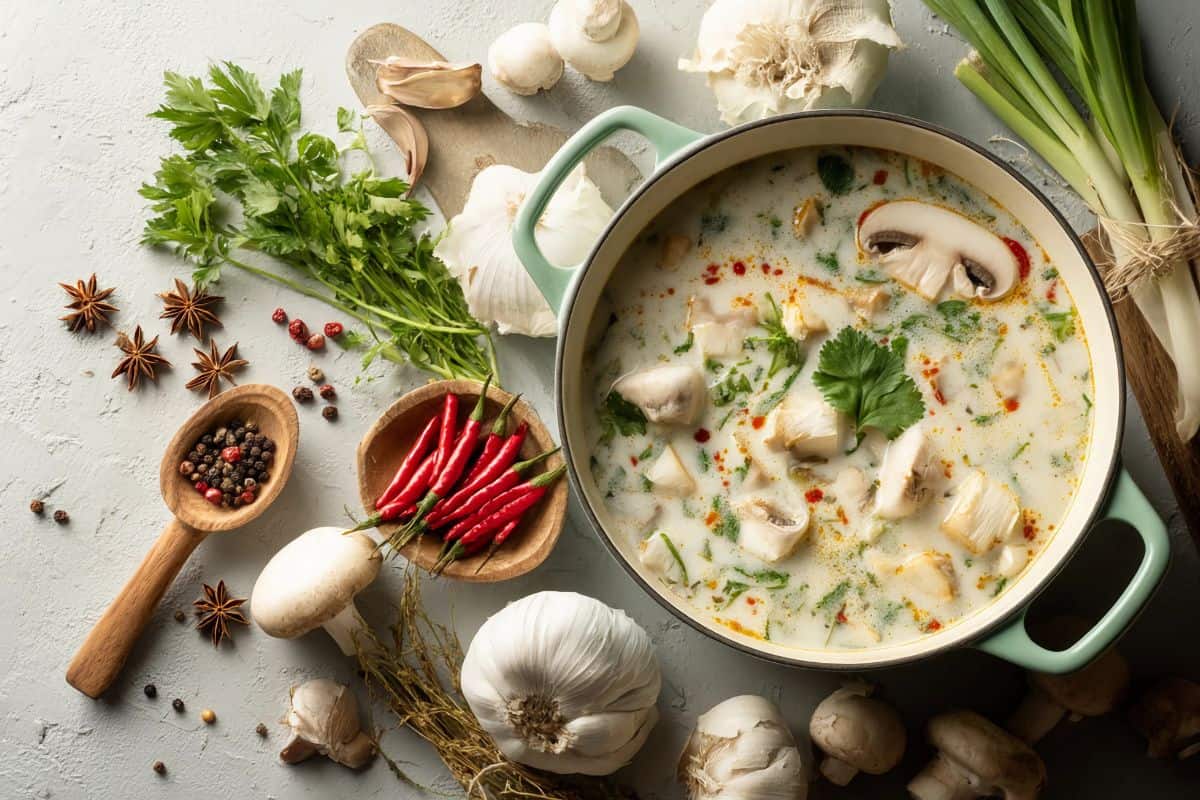
Photo by Simonlin1024 from Pixabay
Cream Alternatives For Sauces And Desserts
Creamy textures are easy to achieve using plant-based ingredients that blend smoothly.
CASHEW CREAM
Creates a rich, smooth texture without the need for dairy. It works well in both savoury sauces and desserts. Adjusting the liquid makes it easy to control thickness. This flexibility makes it useful in many types of recipes.
COCONUT MILK
Adds richness and body to dishes with very little effort. It is commonly used in curries, soups, and desserts. The natural fat content creates a creamy mouthfeel. Full-fat versions work best when texture matters.
SILKEN TOFU
Blends smoothly into sauces without adding strong flavor. It is ideal for lighter creamy dishes and desserts. The texture stays smooth even when chilled. It also adds subtle protein without changing taste.
Unsweetened plant-based creams give you more control over seasoning and texture, especially when switching between savoury and dessert recipes.
Gelatin Alternatives For Vegan Desserts
Gelatin is mainly used for structure. Plant-based thickeners can achieve the same results.
AGAR AGAR
Derived from seaweed, this sets more firmly than gelatin. It is often used in jellies, custards, and molded desserts. Only a small amount is needed for structure. It must be heated to activate properly.
PECTIN
Naturally found in fruit, this is commonly used in jams and fruit-based desserts. It creates a soft, spreadable set rather than a firm gel. Pectin is widely used in home cooking. It works best with recipes that already contain fruit.
CORNSTARCH OR ARROWROOT
Both are simple thickeners used in sauces, puddings, and fillings. They create smooth textures when cooked properly. Arrowroot stays clearer and glossier than cornstarch. Both options are easy to use and beginner-friendly.
Agar agar and pectin are widely used in food science and traditional cooking and are discussed in educational resources such as Britannica.com.

Photo by Karola G from Pexels
Fish Sauce Alternatives For Umami Depth
Fish sauce adds saltiness and complexity, but vegan options can deliver similar depth.
TAMARI OR SOY SAUCE
Adds saltiness and umami to a wide range of dishes. It works well in stir-fries, marinades, and sauces. Tamari is often gluten-free and slightly richer in flavor. Small amounts go a long way.
MISO PASTE
Brings fermented depth and complexity to recipes. It is especially useful in soups, dressings, and noodle dishes. Adding it at the end of cooking helps preserve flavor. A small spoonful can transform a dish.
CRUMBLED NORI OR KELP FLAKES
Adds subtle ocean-like flavor without overpowering a dish. It works well in broths and plant-based seafood-style recipes. Using small amounts keeps flavors balanced. This is best added gradually.
Using one or two of these together often creates the most balanced flavor.
Yogurt Alternatives For Breakfast And Cooking
Plant-based yogurts work well in breakfasts, sauces, and baking when chosen carefully.
SOY YOGURT
Offers a thicker texture and higher protein content than many other options. It works well in savoury sauces and baking. The neutral flavor makes it easy to season. Unsweetened versions give better control.
COCONUT YOGURT
Rich and creamy, this works especially well in desserts and breakfast bowls. It adds natural richness without needing extra fat. The flavor pairs well with fruit and spices. Unsweetened varieties are best for cooking.
ALMOND YOGURT
Lighter in texture with a mild flavor, this blends easily into smoothies and dressings. It works well in lighter meals where you want a subtle creaminess. The flavor stays neutral in most recipes. This makes it a gentle, versatile option.
Choosing unsweetened versions helps maintain control over flavor and prevents recipes from tasting overly sweet.
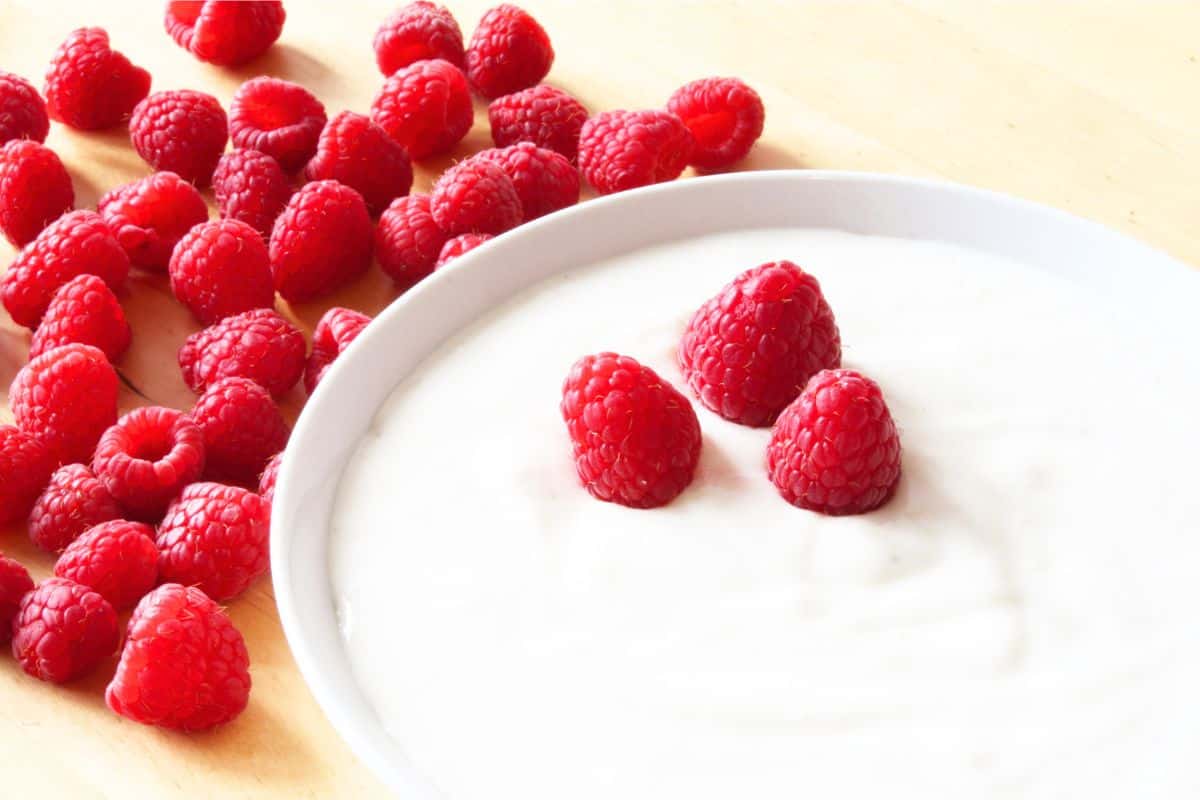
Photo by Schäferle from Pixabay
Final Thoughts
Switching to vegan alternatives does not have to be complicated or restrictive. With a few reliable swaps, you can recreate familiar flavors and textures while keeping meals satisfying and wholesome. Over time, these substitutions become second nature, making plant-based cooking flexible, intuitive, and full of possibility.


More Vegan Resources
- Read This Before You Buy Vegan Cheese Again
- Is Soy Sauce Vegan? The Answer May Surprise You
- Is Honey Vegan? Why It’s a Controversial Topic
- Plant vs. Meat: Which Protein Source Really Wins on Nutrients?
🌟 Did you LIKE this ARTICLE?
Leave a comment below! We can’t wait to hear what you think!