5 Signs Your ‘Clean’ Skincare Isn’t Vegan
This post may contain affiliate links. See our disclosure policy for more.
Let’s be real, just because a product says “natural” or “clean” doesn’t mean it’s vegan. I learned that the hard way, after realizing my so-called “plant-powered” moisturizer had animal ingredients in it. Oof.
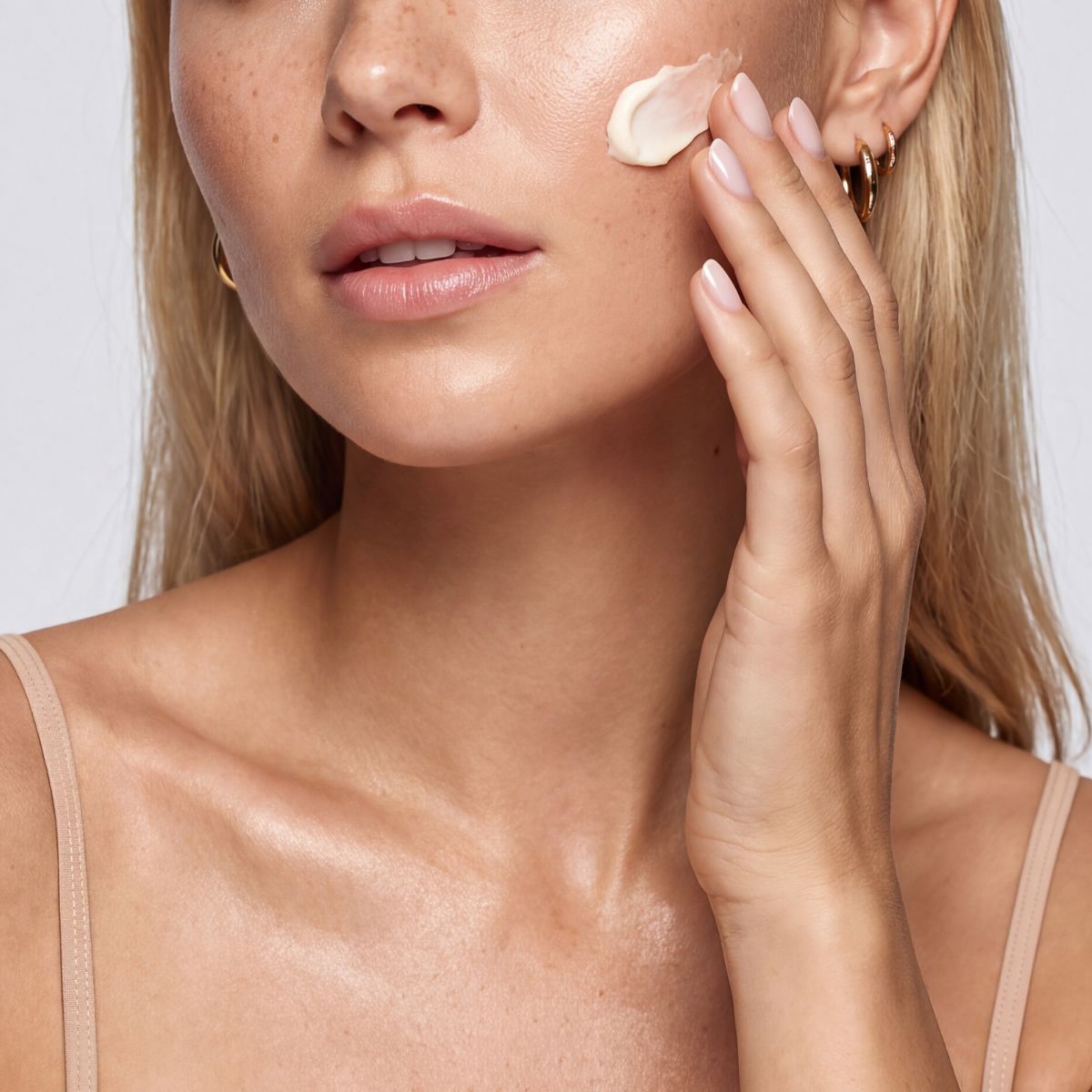
If you’re like me, someone who cares about what goes in your body and what goes on your skin, you’ll want to know the truth. So let’s dive into the 5 biggest signs your skincare routine might not be as cruelty-free as you think.
1. The Label Says “Natural” or “Organic”… But Not Vegan
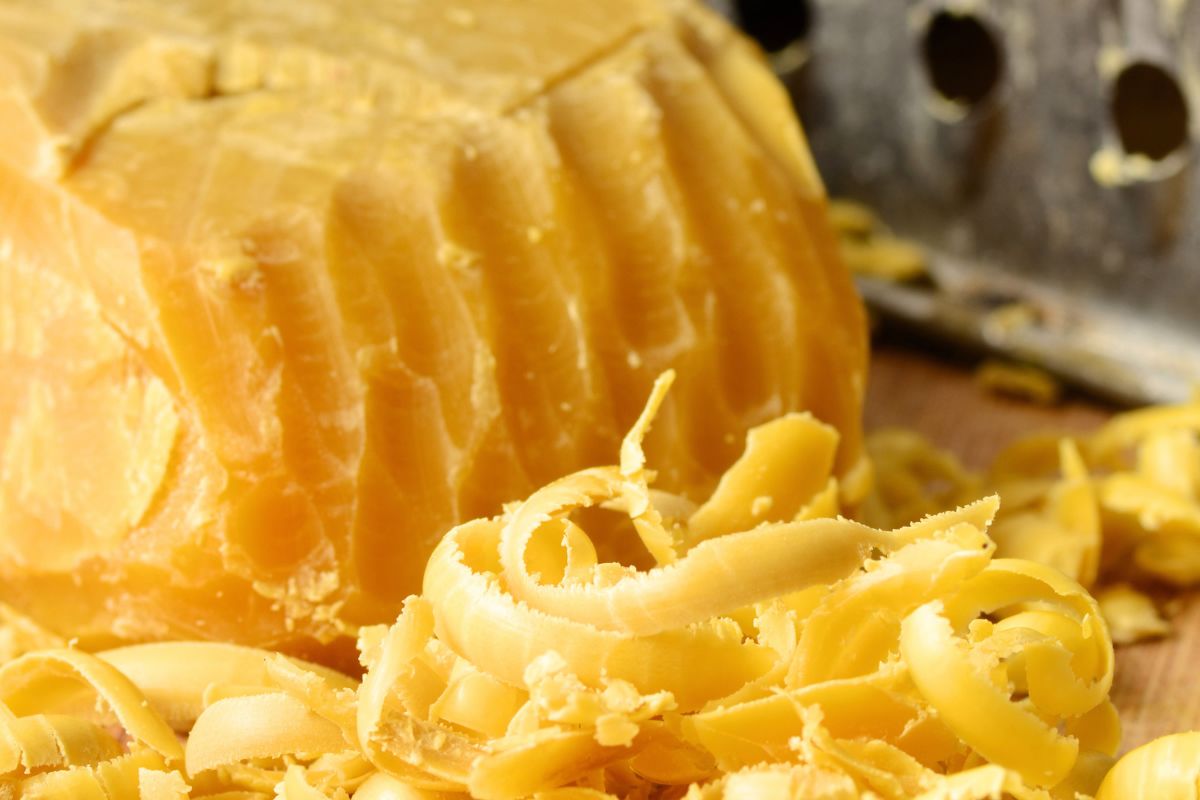
“Natural” sounds lovely, right? But here’s the catch: natural doesn’t mean animal-free. Beeswax, lanolin (from sheep’s wool), and carmine (a red dye from crushed beetles) are all “natural”, and all definitely not vegan.


Tip: Look for the actual word vegan or a certified logo. If it’s not there, assume it’s not vegan.
2. It Has Collagen, Keratin, or Elastin
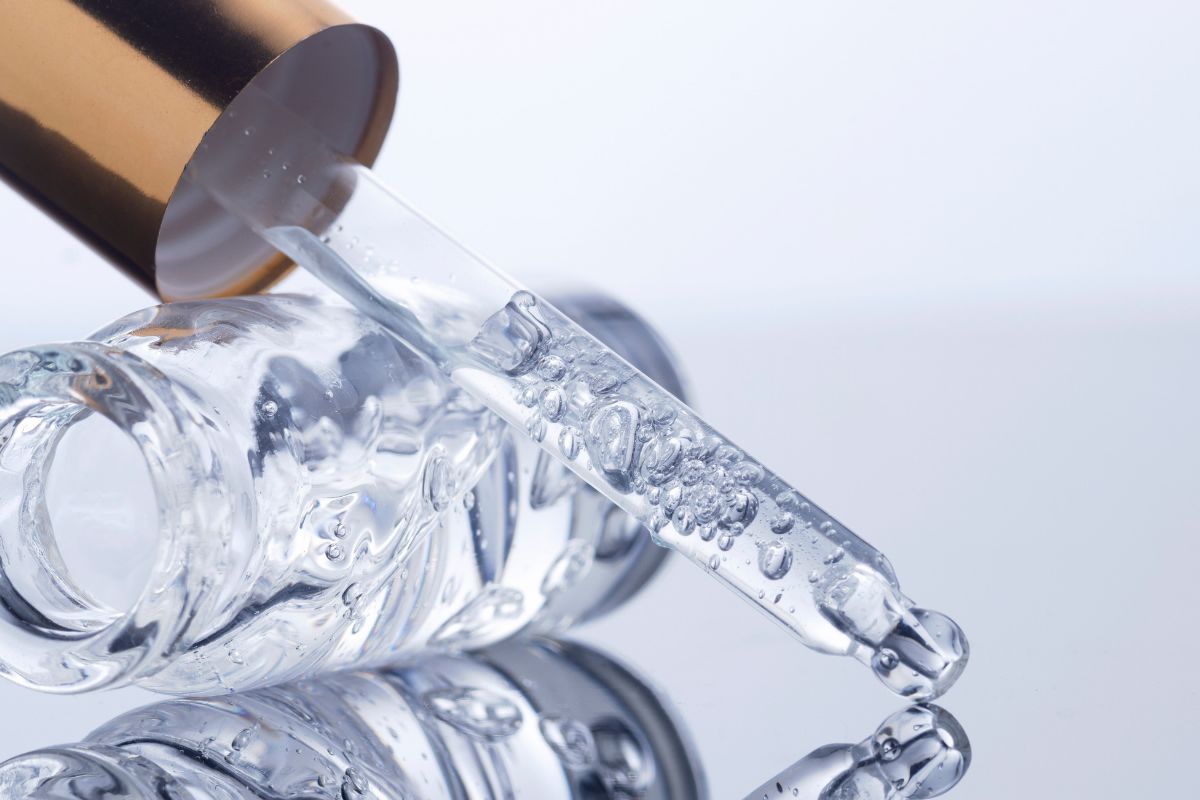
These sound like great things for your skin and hair, but they often come from animals. Collagen is usually taken from fish or cow bones, keratin from hooves, and elastin from animal ligaments.
If you want that glow without the guilt, go for plant-based versions: they exist, and they work!
Plant-derived hyaluronic acid does the same water-binding job collagen gets credit for, and it actually penetrates, which collagen molecules are mostly too large to do. The Ordinary Hyaluronic Acid 2% + B5 is the version I keep buying, because it costs about a third of what the department store serums charge for the same active.
3. It’s Not Certified Cruelty-Free
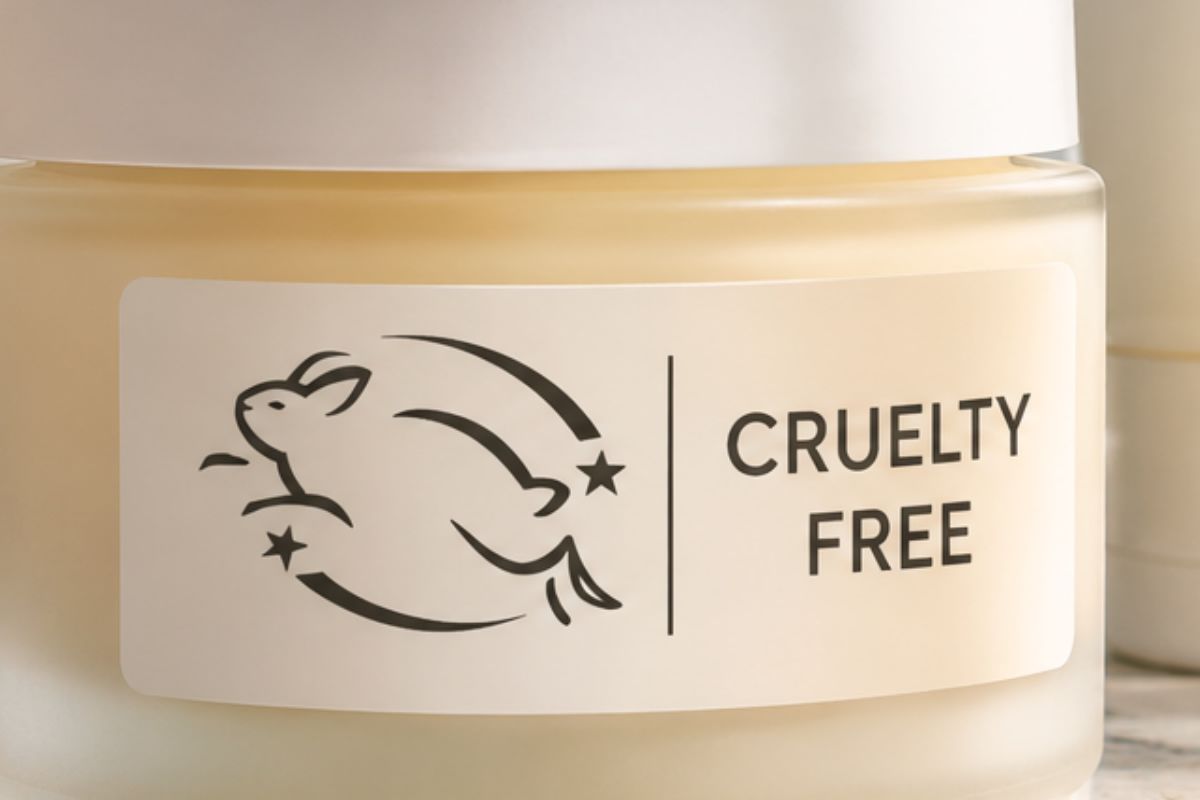
Even if the ingredients are vegan, the product might still be tested on animals. Not cool.

Cruelty-free and vegan are not the same thing, but you need both if you want truly ethical skincare.
Look for Leaping Bunny or PETA certifications: these are your best bets.
4. Fragrance Is Listed (But That’s It)
“Fragrance” is a loophole that lets companies hide dozens of ingredients. And yes, some of those can come from animals, like musks derived from deer glands (gross, I know).
If you see “fragrance” or “parfum” without more info, it’s a red flag.
5. No Ingredient List Online (or It’s Super Vague)

If you have to dig for ingredients, or worse, can’t find them at all, that’s not a good sign. A transparent brand should be proud to list what’s inside.
Bonus clue: Some sketchy ones use long chemical names to hide animal by-products. When in doubt, Google it or skip it.
Why This Matters (Even If You Mostly Care About Food)
I get it, this is a food blog. But if you’re making the effort to eat plant-based for your health, the planet, or the animals… why stop at dinner?
Your skin is your body’s largest organ. What you put on it matters. And honestly, it feels good knowing your beauty routine is just as kind as your dinner plate.
Final Thoughts
I wish I’d known these signs sooner. Switching to vegan skincare didn’t just make me feel better ethically. It also helped clear up my sensitive skin (bonus!).
Lanolin was the likely culprit for me. It is in a lot of “gentle” moisturizers and it is a common trigger for anyone acne-prone, so if your skin has been reacting to something you cannot pin down, it is worth checking the label for it before you spend money on anything fancier.
I swapped to e.l.f. Holy Hydration! daily cleanser and Pacifica vegan ceramide barrier face cream, both certified vegan and neither expensive, and the mystery irritation stopped within a few weeks.
🛒 The Vegan Swaps I Actually Use
- e.l.f. Holy Hydration! daily cleanser, the cheapest genuinely vegan cleanser I have found that does not strip your face.
- Pacifica vegan ceramide barrier face cream for the barrier repair job lanolin used to do, without the sheep.
- The Ordinary Hyaluronic Acid 2% + B5, plant-derived and about a third of the price of the serums it competes with.
- Versed Dew Point moisturizing gel cream if you want a lighter finish, and it is certified vegan rather than just cruelty-free.
So next time you’re shopping, check those labels. Ask questions. Vegan beauty isn’t perfect, but it’s better than pretending “clean” always means kind.
If you want the longer version of how bad the ingredient list can get, I went through it in the ugly truth about non-vegan cosmetics.