The Truth About Collagen: Is There A Vegan Version That Works?
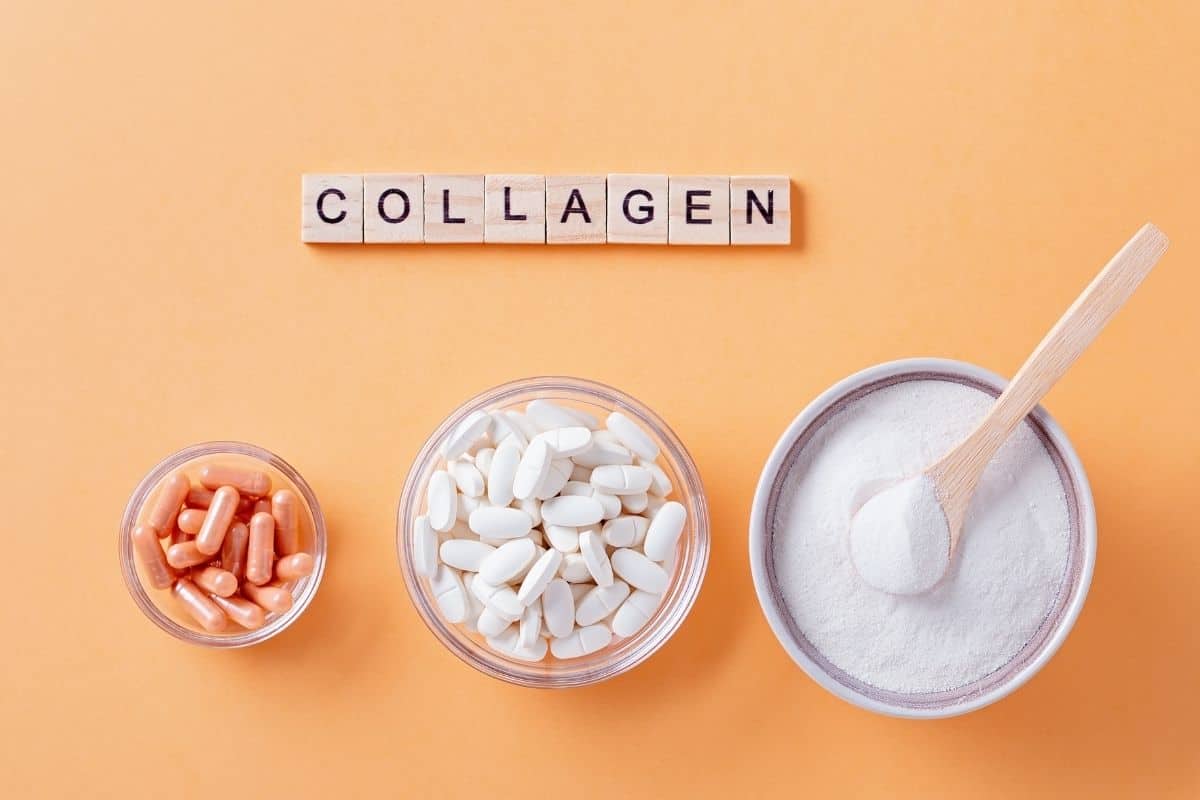
Collagen is in everything now. Powders, gummies, face creams, coffee creamer. It’s hard to walk past a pharmacy without being sold some.
The catch is that collagen is an animal protein. It comes from cow hide, pig bones and fish skin, which rules out every tub on the shelf. So the obvious question is whether a vegan version exists and whether it does anything.
This post may contain affiliate links. See our disclosure policy for more.
Short answer: yes, but probably not the way you’re imagining. Here’s the full picture in seven points.


🧴 1. Collagen Isn’t An Ingredient, It’s Something Your Body Builds
Collagen is the most common protein in your body, roughly 30% of all the protein you have. It’s what keeps skin springy, joints moving and nails from splitting.
Here’s the part the marketing skips: eating collagen doesn’t send collagen to your face. Your gut breaks it down into amino acids like anything else, and your body decides what to build. What it needs is the raw materials, not the finished product.
🧴 2. Why Traditional Collagen Is Not Vegan
Bovine collagen is cow hide and bone. Marine collagen is fish scales and skin. There is no such thing as collagen from a plant, so any tub labelled vegan collagen is either lab grown or a builder blend. Those are two very different products sold under one name.

🧴 3. Vegan Collagen Exists, But It’s Made In A Lab
Real vegan collagen does exist. Scientists insert human collagen genes into yeast or bacteria and ferment them, the same basic method used to make insulin and rennet. What comes out is structurally identical to the animal version.
The problem is price and availability. Most of it currently goes into skincare rather than supplements, and what does reach shelves costs considerably more than the animal version. If a tub is cheap and says vegan collagen, it is almost certainly a builder blend, not this.

🧴 4. Collagen-Boosting Foods Are Your Best Everyday Option
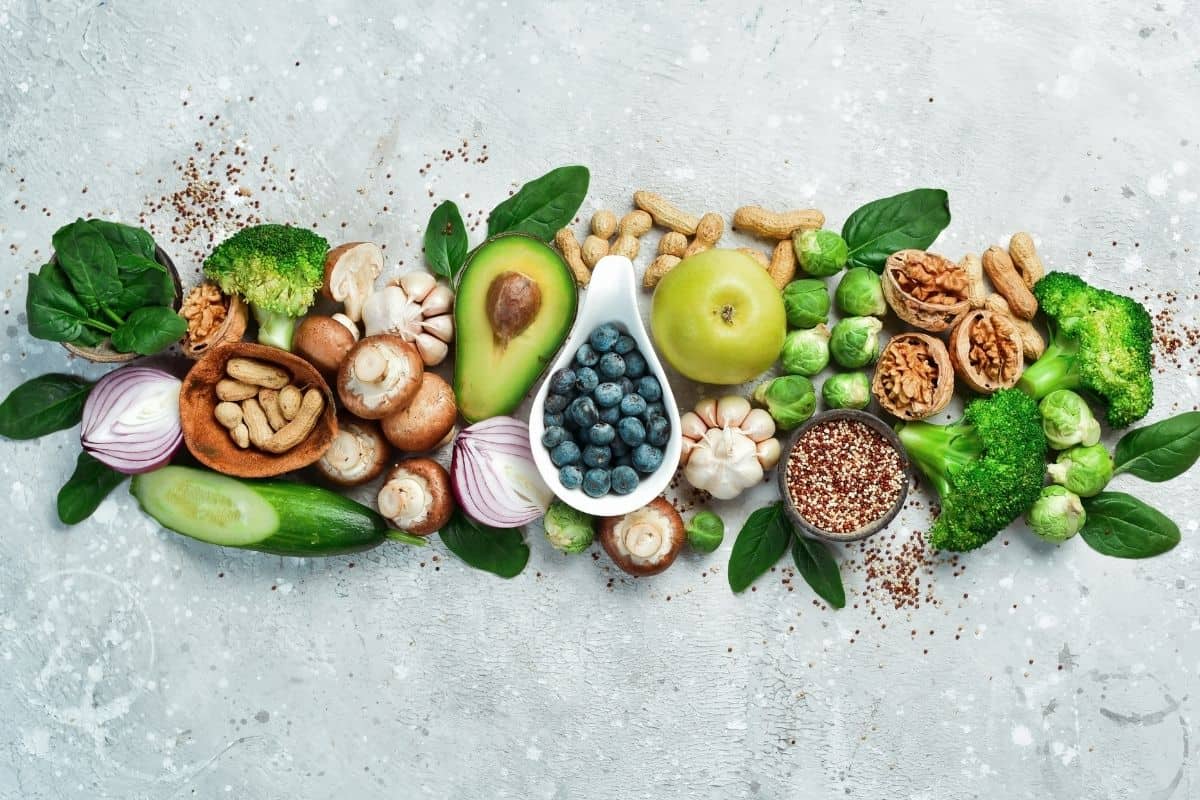
For most of us this is the practical route, and honestly the one with the better evidence behind it. Your body needs glycine, proline, vitamin C, zinc and copper to build collagen. Miss any of them and production slows down regardless of what you’re supplementing.
- Soy: tofu and tempeh are unusually high in glycine and proline, the two amino acids collagen is mostly made of
- Legumes: lentils and chickpeas for amino acids plus the copper your body needs to assemble them
- Seeds: hemp, chia and pumpkin seeds, which bring zinc as well as protein
- Leafy greens: kale especially, for vitamin C alongside the protein
- Berries: they protect the collagen you already have from breaking down, which matters as much as building more
- Nuts: almonds and cashews for vitamin E, zinc and copper
My Mediterranean Hummus Bowl hits most of this in one go: chickpeas for the amino acids, peppers and lemon for vitamin C, seeds and tahini for zinc. That combination in one meal is the point, since vitamin C has to be present while your body is doing the building.
💊 5. Vitamin C Is The MVP For Collagen Production
Vitamin C isn’t optional here, it’s a required part of the chemical reaction. No vitamin C, no collagen, which is exactly why scurvy made sailors’ skin and gums fall apart. Bell peppers actually beat oranges for vitamin C, which surprises most people.
Research links vitamin C intake to better skin elasticity and fewer visible wrinkles. If you do go the supplement route, check it’s actually vegan first, because plenty of vitamins aren’t.
🧴 6. Do Vegan Collagen Supplements Work?
It depends entirely which of the two you’ve bought, and the labels do not make this easy.
- True vegan collagen: fermented, bio-identical, expensive, and still mostly used in skincare rather than powders.
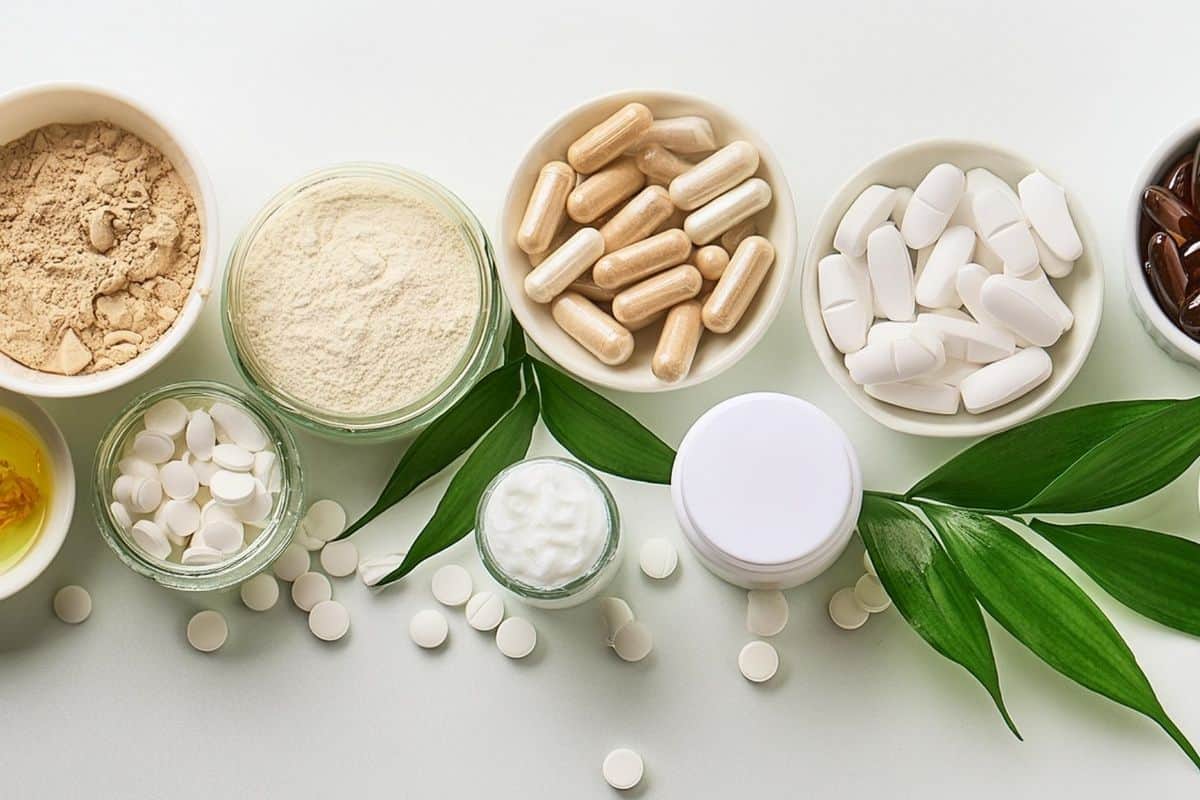
- Collagen builders: no collagen in the tub at all. They’re a blend of amino acids, vitamin C, zinc and silica meant to help your body make its own. This is what most vegan collagen products actually are.
Builders usually contain amla for vitamin C, bamboo silica for hair and nails, and pomegranate for antioxidants. None of that is nonsense, but it’s also not far off a good diet in powder form. If you’re buying one mainly for the protein and amino acids, a plain vegan protein powder costs a fraction of the price and does much of the same job. My honest take is that builders are convenient rather than magic.
🧴 7. Collagen Isn’t Just About Skin
Collagen gets sold as a beauty product, which undersells it. It’s structural. It’s in your tendons, your cartilage, your gut lining and your blood vessels.
I cycle four times a week and I notice this in my knees more than my face. Keeping protein and vitamin C up is the bit that’s kept me training without niggles, and that’s a far better reason to care about it than wrinkles.
✅ The Bottom Line

You don’t need cow collagen and you probably don’t need an expensive tub of anything. Enough protein, vitamin C in the same meal, zinc and copper from seeds and nuts, and sunscreen, which does more for your skin than any supplement on this page. If you’re auditing the rest of your cupboard while you’re at it, even wine isn’t always vegan.
Your body has been making collagen your whole life without a single supplement. Give it the parts and it carries on doing that.

🛒 What Actually Helps You Build Collagen
Your body makes collagen from amino acids, vitamin C, zinc and copper. That is a grocery list, not a supplement.
- Tempeh: high in glycine and proline, the two amino acids collagen is mostly made of.
- Dried lentils: amino acids plus the copper needed to assemble them.
- Hemp seeds: protein and zinc in the same spoonful.
- Chia seeds: same job, plus the omega-3s.
- Tinned chickpeas: the base of the hummus bowl that hits most of this at once.
- Vegan protein powder: a fraction of the price of a collagen builder, doing much the same job.