Is Pasta Vegan? Plus Every Other Pantry Staple, Checked
I once stood in the pasta aisle for ten solid minutes, flipping boxes over like I was defusing a bomb. 😅
Here’s the good news: almost everything already in your pantry is vegan.
There are maybe three things that need a real label check, and I’m about to tell you exactly which ones so you can stop squinting at the small print.
⚡ The 60 Second Answer
- Dried pasta, peanut butter, pickles. Vegan. Relax.
- Fresh and filled pasta. Check for egg.
- Instant noodle seasoning packets. Usually not vegan.
- Butter. Nope. Margarine. Probably, but read it.
🍝 Is Pasta Vegan?
Dried pasta from a box? Yes.
Flip the box over and you’ll usually see two words: durum wheat semolina. That’s flour. Add water. That’s the entire story.
So spaghetti, penne, fusilli, rigatoni, and basically the whole dry pasta shelf are all fine.
Fresh pasta is the plot twist. Anything from the refrigerated case is where egg shows up:
- Egg tagliatelle and egg fettuccine. The name is doing you a favor here.
- Filled pasta. Ravioli, tortellini, and agnolotti usually have egg in the dough and cheese or meat in the middle. Double trouble.
- Gnocchi. Traditional potato gnocchi sometimes uses egg as a binder. Some brands do, some don’t, so this one always gets a flip.
My rule: if the ingredient list is longer than two items, read it.
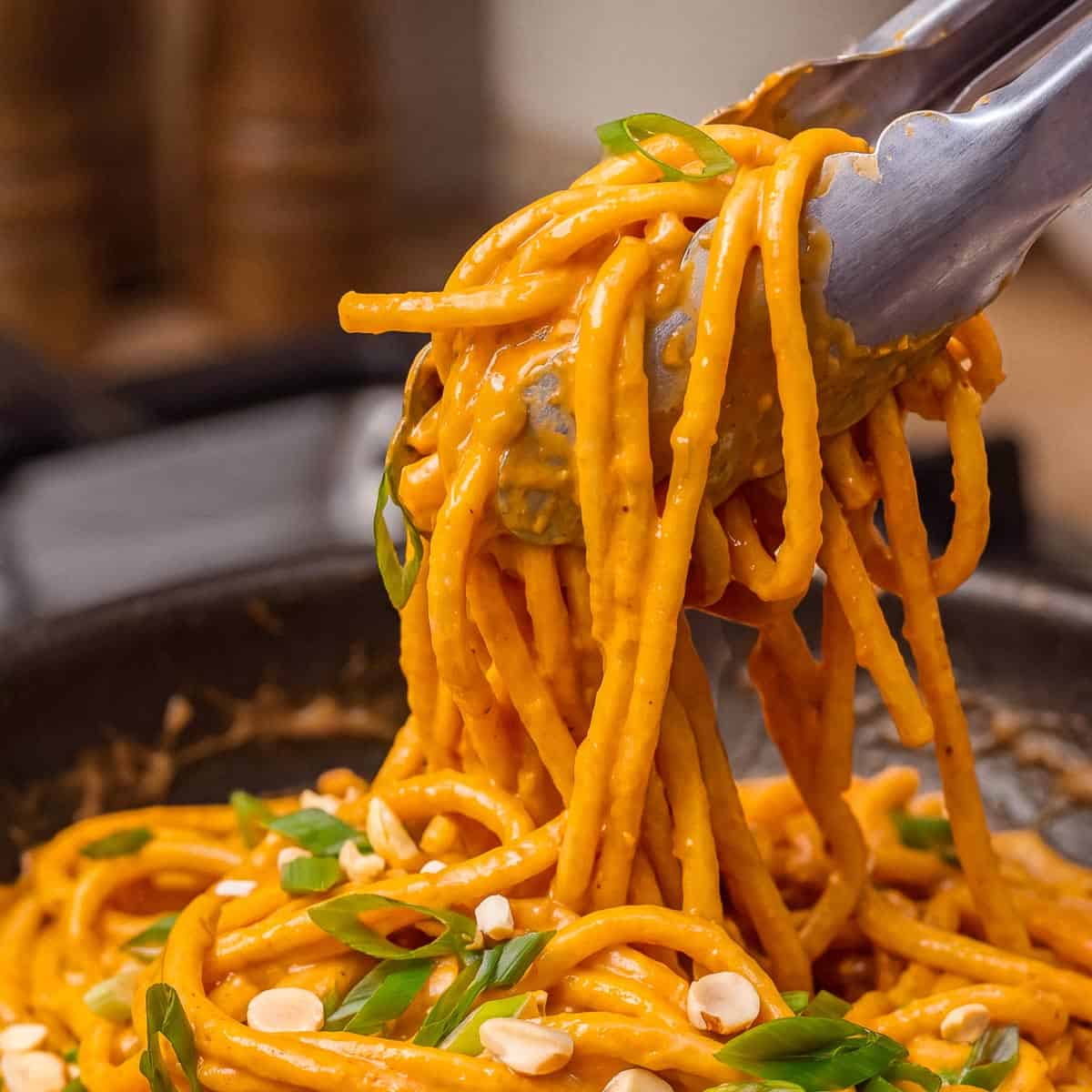
Want pasta tonight without any of this thinking? My vegan protein peanut noodles and vegan bolognese both use plain dried pasta.
🧈 Is Butter Vegan?
No. Not even a little.
Butter is churned cream, and cream comes from a cow. There’s no secret vegan version hiding in the dairy case.
Here’s the part I wish someone had told me sooner though. Vegan butter is genuinely good now. Not “good for vegan butter.” Just good.
Country Crock Plant Butter, Miyoko’s, Earth Balance, and Melt all spread, bake, and brown in a pan like the real thing. A stick of vegan butter swaps in 1:1 for dairy butter in almost any recipe with zero other changes.
Cookie dough included. I tested this. Repeatedly. For science. 🍪
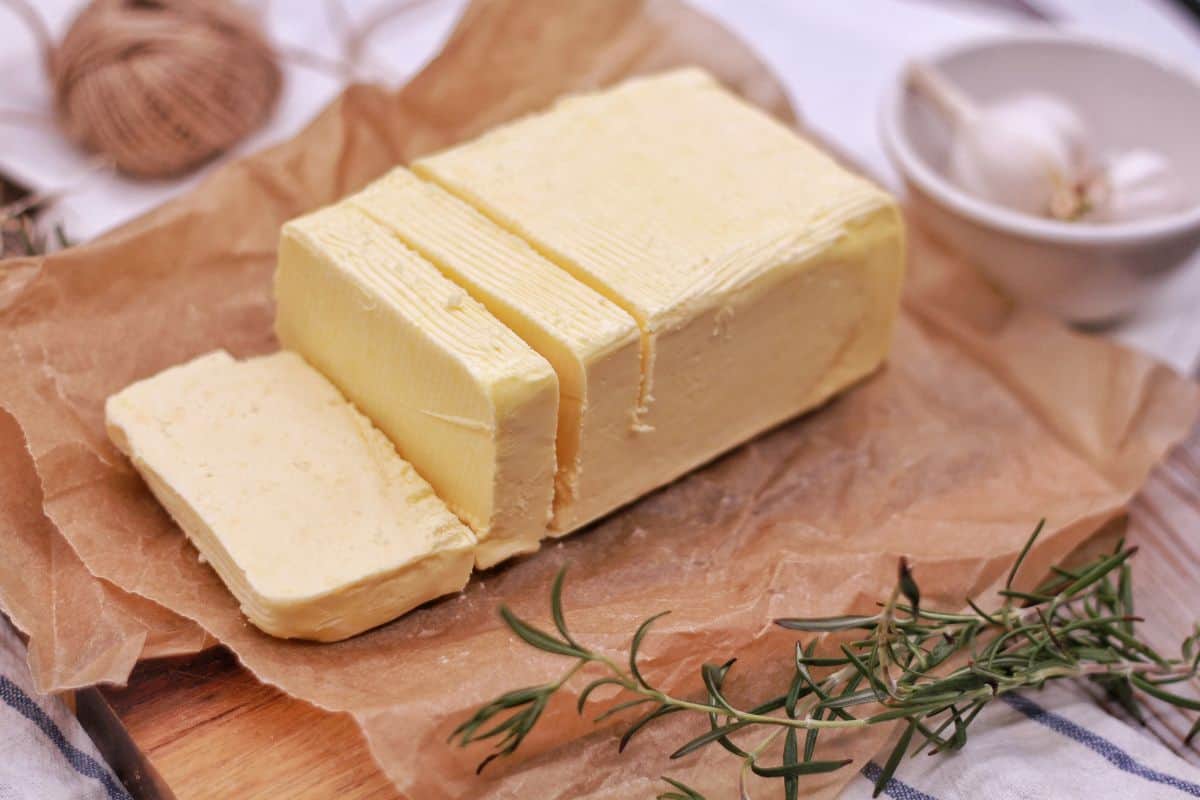
Photo by rodeopix from Pixabay
🥄 Is Margarine Vegan?
Usually, but this one earns a label check.
Most margarine is plant oil based. But a surprising number of brands still slip in dairy, especially the tubs that brag about tasting “buttery.”
If the tub doesn’t say vegan or dairy free, scan for exactly three words:
- Whey
- Milk solids
- Lactose
That’s the whole checklist. Two seconds, done.
🥜 Is Peanut Butter Vegan?
Usually yes, and honestly this is the easiest win in the whole pantry.
Natural peanut butter is peanuts. Sometimes salt. That’s it. Jif, Skippy, and pretty much every natural brand are vegan exactly as they come.
Two exceptions worth knowing:
- Honey roasted peanut butter. The name is telling on itself. Honey isn’t vegan.
- Anything labeled “with omega-3.” A few fortified jars use fish derived omega-3s. Rare, but real.
If you want your peanut butter doing actual work, put it in peanut butter banana baked oatmeal or a high protein vanilla date smoothie.
🍜 Are Instant Noodles Vegan?
The noodles: almost always yes. The seasoning packet: oh, absolutely not.
Instant ramen noodles are wheat flour, water, and oil. Completely innocent.
That little foil packet is where it falls apart. It regularly contains chicken powder, beef extract, shrimp powder, or milk solids.
And yes, that includes flavors called “vegetable” and “mushroom,” which I take personally. 🙃
Assume the packet is not vegan unless the box says so. Koyo, Lotus Foods, and a few Nongshim and Maruchan lines make genuinely vegan versions.
Or do what I do. Bin the packet, boil the noodles, and season them yourself with soy sauce, a splash of sesame oil, and whatever vegetables are slowly dying in your crisper drawer. Honestly better anyway.
🥒 Are Pickles Vegan?
Yes. Go enjoy your pickles.
A standard jar is cucumbers, vinegar, water, salt, and spices. All plants, all the time.
The only exceptions are rare enough that they’re barely worth the sentence: a specialty fermented pickle brined with anchovy or fish sauce for umami, or a pickle dyed with a non vegan colorant. Neither is sitting in a normal supermarket.
This is one aisle where you get to just grab and go.
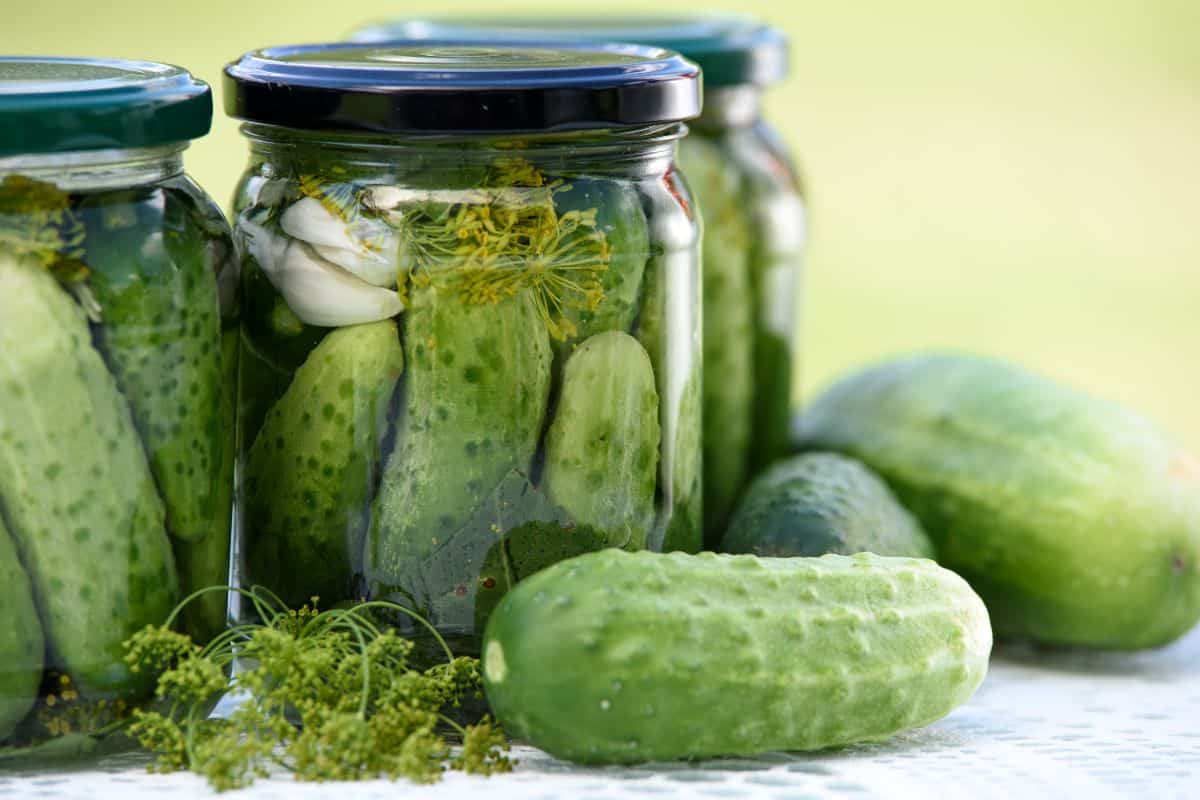
Photo by AS_Photography from Pixabay
🛒 The Pantry Swaps I Actually Buy
If you’re rebuilding your pantry, these are the ones that do the most work for the least money:
- Vegan butter for baking, spreading, and pan sauces. The single most useful swap on this list.
- Olive oil for everything butter isn’t doing.
- Nutritional yeast for cheesy flavor with no cheese involved. Sprinkle it on pasta and thank me later.
- Tamari or soy sauce so you can season your own noodles and skip the mystery packet forever.
- Chickpea pasta when you want the same bowl with twice the protein.
- Natural peanut butter with a two ingredient label, not a nine ingredient one.
The full version lives in my favorite vegan pantry essentials and the beginner’s vegan grocery list.
✅ The Takeaway
Out of this entire list, exactly two things deserve a label check every single time:
- Fresh or filled pasta, because of egg.
- Instant noodle seasoning packets, because of meat and dairy extracts.
Everything else here is vegan by default. That’s it. That’s the whole pantry.
❓ Common Questions
Is Gnocchi Vegan?
Sometimes. Potato, flour, and salt versions are vegan. Some traditional recipes add egg as a binder, and a few shelf stable brands add cheese. It’s a three second flip of the package.
Are Rice Noodles And Soba Vegan?
Rice noodles are rice flour and water, so yes. Soba is buckwheat and wheat flour, also yes. It’s the sauce you toss them in that usually causes the problem, not the noodle.
Is Chickpea Pasta Vegan?
Yes. Chickpea, lentil, and red bean pastas are legume flour and water, and they pack roughly double the protein of regular pasta. Great swap if you’re worried about getting enough.
Is Store Bought Pasta Sauce Vegan?
Most plain tomato and marinara sauces are. Watch the creamy ones (alfredo, vodka, rosé) and anything labeled with cheese, since parmesan turns up in a lot of “traditional” jars.
📚 Keep Reading
- Is It Vegan? An A to Z Guide to 40+ Everyday Foods
- Hidden Non-Vegan Ingredients: Sugar, Bread, Wine and More
- Vegan Condiments and Sauces: What’s Actually Plant-Based
- Best Vegan Swaps for Everyday Cooking